
Structural and Mechanical Surveys
Clear insight into crane condition before problems force your hand
Overhead cranes and hoists do not fail all at once. Structural fatigue, mechanical wear, and alignment issues develop over time, often out of sight, until they suddenly become urgent.
Structural and mechanical surveys are designed to uncover those hidden risks early so maintenance leaders can make informed decisions instead of reacting under pressure.
This service provides a clear, objective assessment of crane condition so you can plan repairs, modernization, or replacement with confidence.
When Surveys Become Necessary
Surveys usually come into play when questions start piling up.
A crane is aging but still critical to production.
Repairs are becoming more frequent.
Loads or usage have changed over time.
Leadership is asking whether it makes sense to keep investing in the equipment.
Without clear data, every decision feels risky.
Do we repair or replace?
Is this crane still safe to run?
Are we missing something structural that could fail later?
A survey replaces assumptions with facts.
What You Are Really Trying to Avoid
You are not just looking for measurements or reports.
You are trying to:
Avoid unexpected structural or mechanical failures
Prevent costly mistakes driven by incomplete information
Justify repair, modernization, or replacement decisions
Protect safety and uptime while planning next steps
Give leadership clear answers backed by evidence
A good survey removes uncertainty and supports confident decision making.
What Our Structural and Mechanical Surveys Focus On
Our surveys look at the crane as a working system, not just individual components.
Depending on the application, this may include:
- Structural condition of girders, end trucks, and runway interfaces
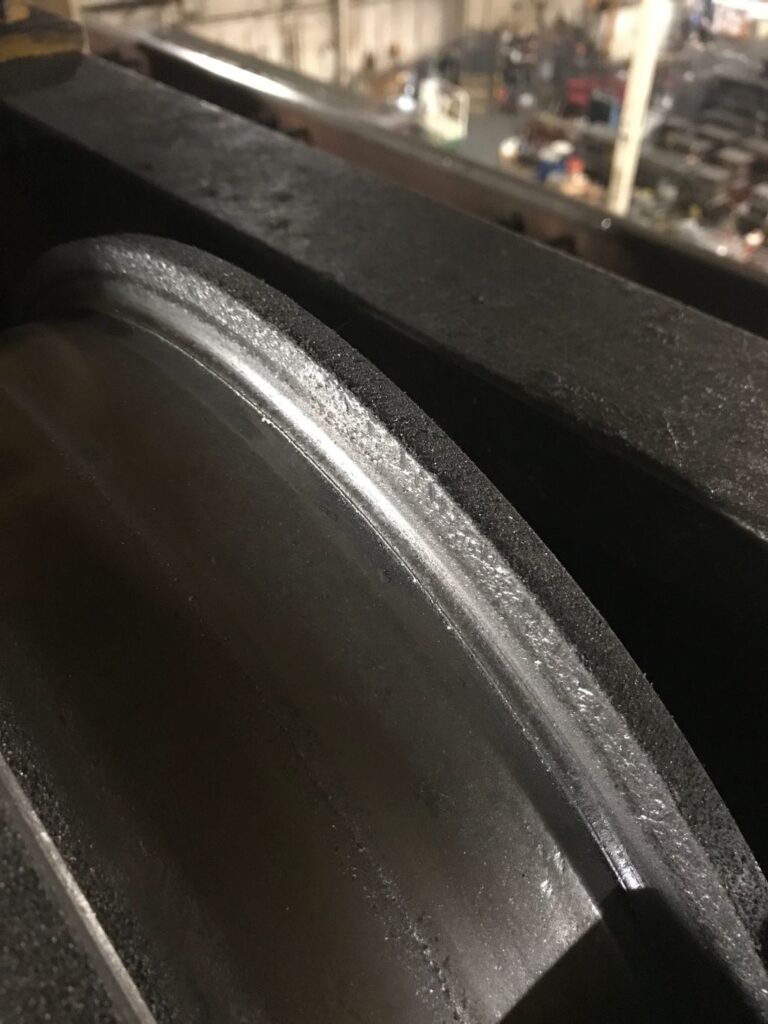
- Signs of fatigue, deformation, or cracking
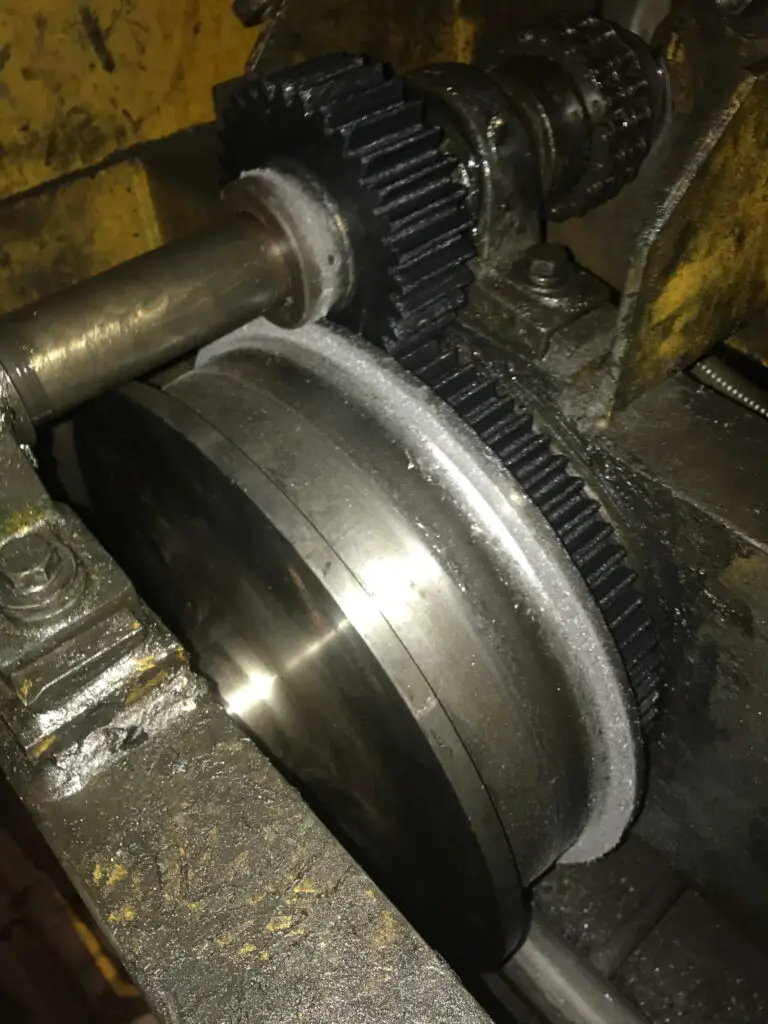
- Mechanical wear in hoists, drives, brakes, and load handling components
- Alignment and load path concerns
- Indicators of remaining service life and risk areas
To ensure accuracy, surveys are performed using laser and or robotic Total Station measurement systems capable of accuracy within 3/16 inch over 6,000 feet. These measurements allow us to identify subtle conditions such as building settling, runway misalignment, deformation, or structural movement that can impact crane operation over time. This level of precision helps confirm whether alignment issues are equipment-related, structure-related, or the result of changes in the building itself.
The focus is not to overwhelm you with data. The focus is to identify what matters most and what it means for your operation.
Turning Findings Into Actionable Decisions
A survey only has value if it leads to clear next steps.
That is why our findings are presented in a way that:
- Clearly explains observed conditions
- Identifies areas of concern and relative risk
- Separates immediate issues from longer term considerations
- Supports planning for repairs, modernization, or replacement
You get clarity, not just documentation.
Who This Service Is For
This service is a good fit if you:
- Operate aging or heavily used overhead cranes
- Are seeing increased repairs or recurring issues
- Need to evaluate structural or mechanical integrity
- Want data to support capital or maintenance decisions
This service is not a fit if you:
- Only want a routine inspection checklist
- Are looking for a one time formality with no follow up
- Operate small portable lifting equipment in non industrial settings
Structural and mechanical surveys are best used as a planning tool, not a checkbox.
Frequently Asked Questions
How is a structural and mechanical survey different from a standard inspection?
Inspections focus on identifying safety and compliance issues at a point in time. Surveys go deeper, evaluating structural condition, mechanical wear, and long term risk to support repair, modernization, or replacement decisions.
When should a survey be performed?
Surveys are commonly performed on older cranes, heavily used equipment, or when usage has changed. They are also useful when leadership is evaluating whether continued investment in a crane makes sense.
Will the survey tell us whether we need to replace the crane?
A survey provides objective data about condition and risk. In some cases, it supports continued use with repairs or modernization. In others, it may indicate that replacement should be planned. The goal is informed decision making, not a predetermined outcome.
How are results documented?
Results are documented clearly with explanations of findings, areas of concern, and recommended next steps. The intent is to make the information usable for maintenance planning and leadership discussions.
Does this support safety and compliance requirements?
Yes. Surveys are performed with applicable OSHA requirements and ASME B30 considerations in mind, and they help identify conditions that could impact safe operation over time.
Can survey findings be used to plan repairs or modernization?
Yes. Survey results are often used as the foundation for repair plans, modernization projects, or long term equipment strategies.
What is the first step to getting a survey completed?
The first step is a consultation. We review the equipment, usage, and concerns to determine whether a structural and mechanical survey is appropriate and what scope makes sense.
The Next Step
If you need clarity on the condition of your crane or hoist and want to make decisions based on facts instead of assumptions, the next step is a conversation.
We will discuss your equipment, concerns, and goals to determine whether a structural and mechanical survey is the right tool for your situation.