
Wire Rope MRT Scanning and Lubricant Services
See hidden wire rope damage and extend rope life before failures occur
Our Wire Rope MRT scanning services provide deep, non-destructive insight into internal rope condition. When paired with professional wire rope cleaning and pressure lubrication, this service helps maintenance teams not only identify risk early, but also slow deterioration and extend rope life.
The result is fewer surprises, improved safety, and more control over replacement timing.
Why Visual Inspections Alone Are Not Enough
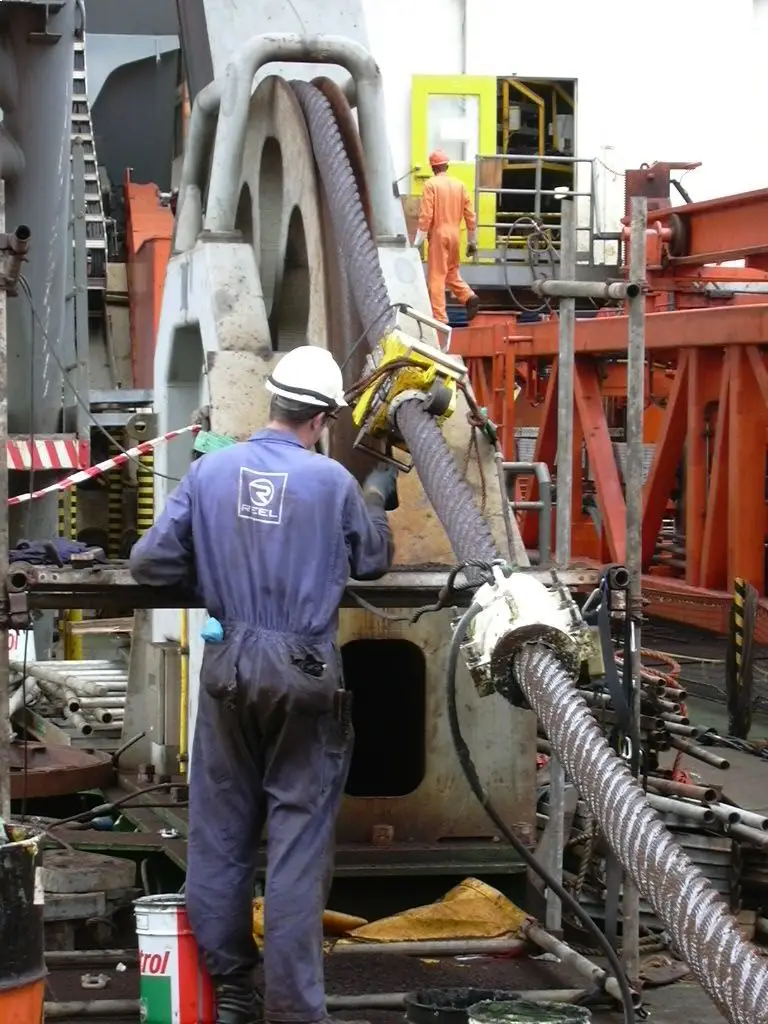
What You Are Really Trying to Avoid
Prevent sudden wire rope failures
Protect people working under or around loads
Avoid unplanned crane downtime
Justify rope replacement timing with confidence
Defend decisions during audits or reviews
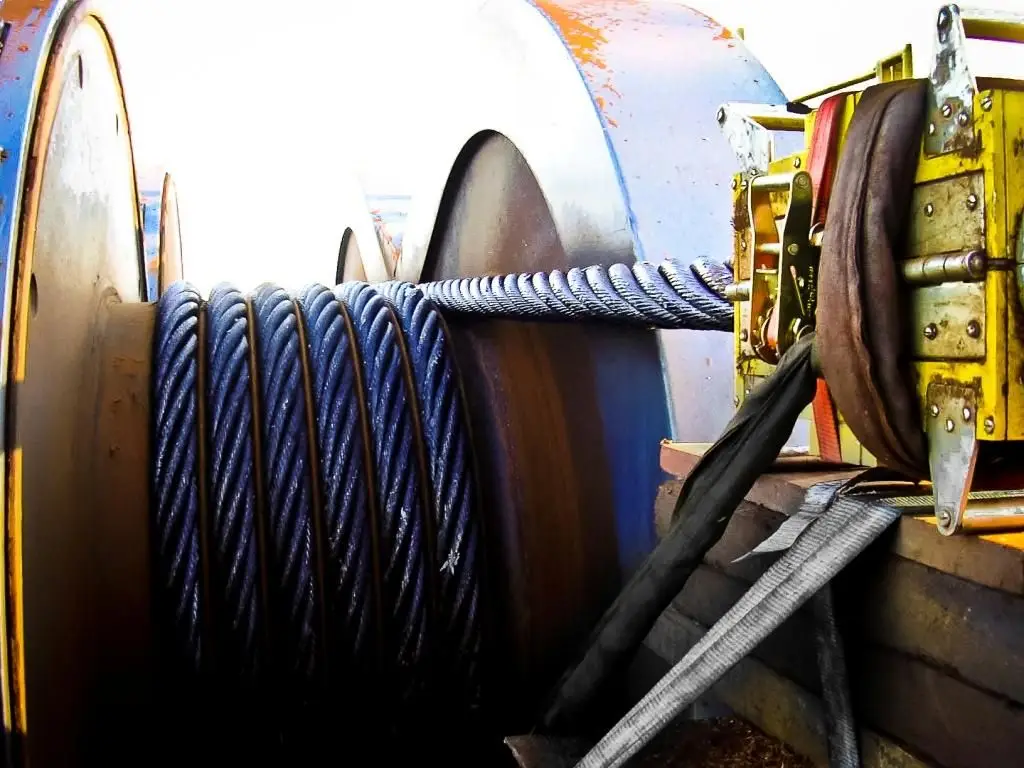
What MRT Wire Rope Scanning Reveals
- Internal broken wires
- Corrosion and loss of metallic area
- Localized damage that may not be visible externally
- Changes in rope condition over time
We offer MRT scanning services for wire ropes ranging from 6 mm to 165 mm in diameter, supporting a wide variety of applications across industries.
Wire Rope Cleaning and Pressure Lubrication
While overhead cranes are fully supported, these services are more widely used in other industries where wire ropes operate in harsher environments and higher duty cycles.
- Park rides
- ROV cables
- Vessel crane ropes
- Underwater and offshore wire ropes
- Sky-chair lift systems
- Drag lines
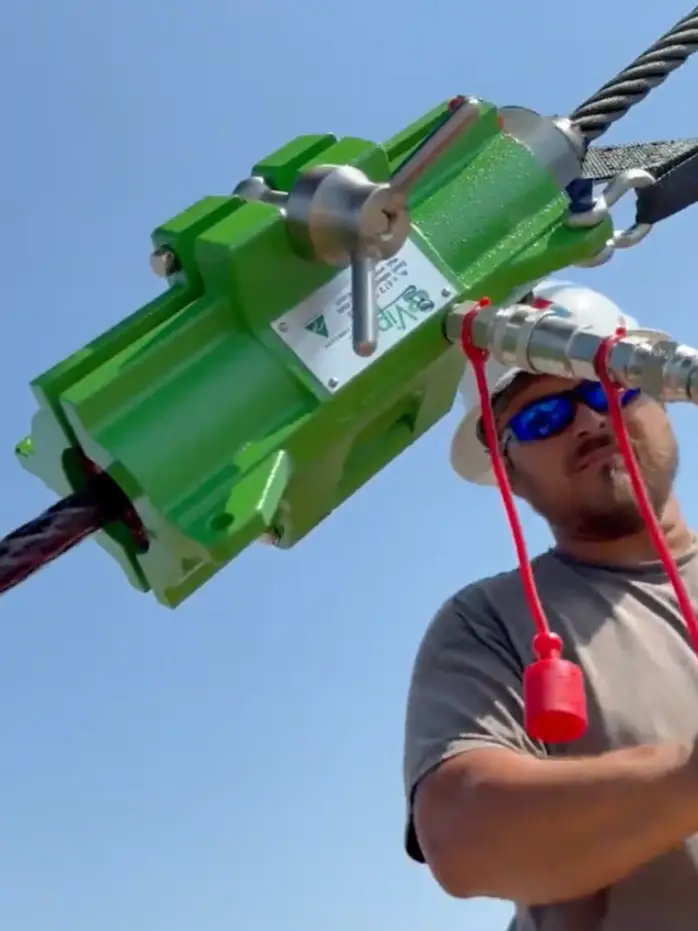
These applications are common across industries such as mining, oil and gas, shipping, marine, defense, commercial construction, food and beverage, automotive, aerospace, steel foundries, and renewable energy.
Our pressure lubrication systems:
- Clean the rope while forcing lubricant into the core
- Displace moisture and help prevent internal corrosion
- Provide full rope coverage without excess waste or mess
- Capture excess lubricant to reduce environmental impact
By delivering lubricant directly into the rope core, where corrosion often starts, this process helps slow internal deterioration and significantly extend rope service life.
How Scanning and Lubrication Work Together
MRT scanning tells you what is happening inside the rope.
Lubrication helps protect the rope from continued internal damage.
When used together:
- Internal defects are identified earlier
- Corrosion progression is reduced
- Rope replacement can be planned instead of forced
- Safety margins improve
- Overall rope life can be extended significantly
Who This Service Is For
This service is a good fit if you:
- Operate overhead cranes or hoists with wire rope in critical service
- Want deeper insight than visual inspections alone provide
- Are looking to extend rope life safely
- Prefer planned rope replacement over emergency shutdowns
This service is not a fit if you:
- Only want basic visual inspections
- Are looking for a one time checkbox
- Operate small portable lifting equipment in non-industrial settings
Wire rope scanning and lubrication are most valuable where failure carries real safety or production risk.
Frequently Asked Questions
How is MRT scanning different from visual inspection?
Does lubrication replace the need for MRT scanning?
Does MRT scanning replace required monthly hook and wire rope inspections?
When should MRT scanning and lubrication be performed?
These services are commonly used on heavily cycled overhead cranes, critical lifts, aging ropes, or ropes operating in harsh environments. They are also useful when usage has increased or downtime risk is high.