
Key Takeaways
- Safety-critical hoist inspections and repairs involving brakes, wire ropes, electrical systems, and load-bearing components mustshould be performed by qualified, competent personnel in accordance with OSHA requirements.
- Warning signs like load dropping, damaged wire rope or chain, electrical faults, unusual noises, and uneven lifting should never be ignored.
- Attempting to repair critical hoist components without the proper qualifications can create serious safety risks, increase the chance of equipment failure, and lead to compliance issues.
- Regular hoist inspections and maintenance help identify problems early and prevent costly downtime or accidents.
- Having inspections and repairs completed by qualified, competent professionals helps keep your equipment safe, reliable, and compliant.
It’s the middle of a shift, your production line is moving at full speed, and suddenly the hoist starts acting up. Maybe it hesitates or makes a sound it’s never made before. The temptation to grab a wrench and handle it yourself is natural, especially when downtime feels like the enemy.
And downtime indeed is an enemy, with the manufacturing sector paying roughly $9,000 per minute when the production takes a backseat unexpectedly. The question is, how are you going to fix hoist problems to maintain safety and continue production?
Some hoist problems are easy to handle. It could be a loose bolt, a dirty limit switch, or a control that just needs a reset. But others might compromise overhead hoist safety when handled by untrained hands.
This article walks through seven issues that call for professional hoist repairs.
Problem #1: The Hoist Won’t Hold or Drops the Load
When a hoist drifts down on its own or fails to hold a suspended load steady, that’s a signal pointing straight to a brake or drive fault. This hoist holding problem is a major concern because it means the machine may no longer be doing the one job it exists to do: keeping a load exactly where it’s supposed to be.
Working underneath or near a load that could shift or fall during a DIY fix is not a risk worth taking. On average, 42 to 44 crane-related deaths occur annually in the US, which means you must fix the hoist brake failure issue immediately.
Brake systems are precise, and they need trained diagnosis, not trial-and-error adjustments. If a brake that seems “close enough” after a quick fix, it can fail again without warning, often at the worst possible moment.
The moment you notice a hoist brake failure, take the unit out of service and have it inspected and repaired by a qualified, competent technician. This single symptom, more than almost any other, is where overhead hoist safety starts.
Problem #2: Damaged or Frayed Wire Rope and Chain
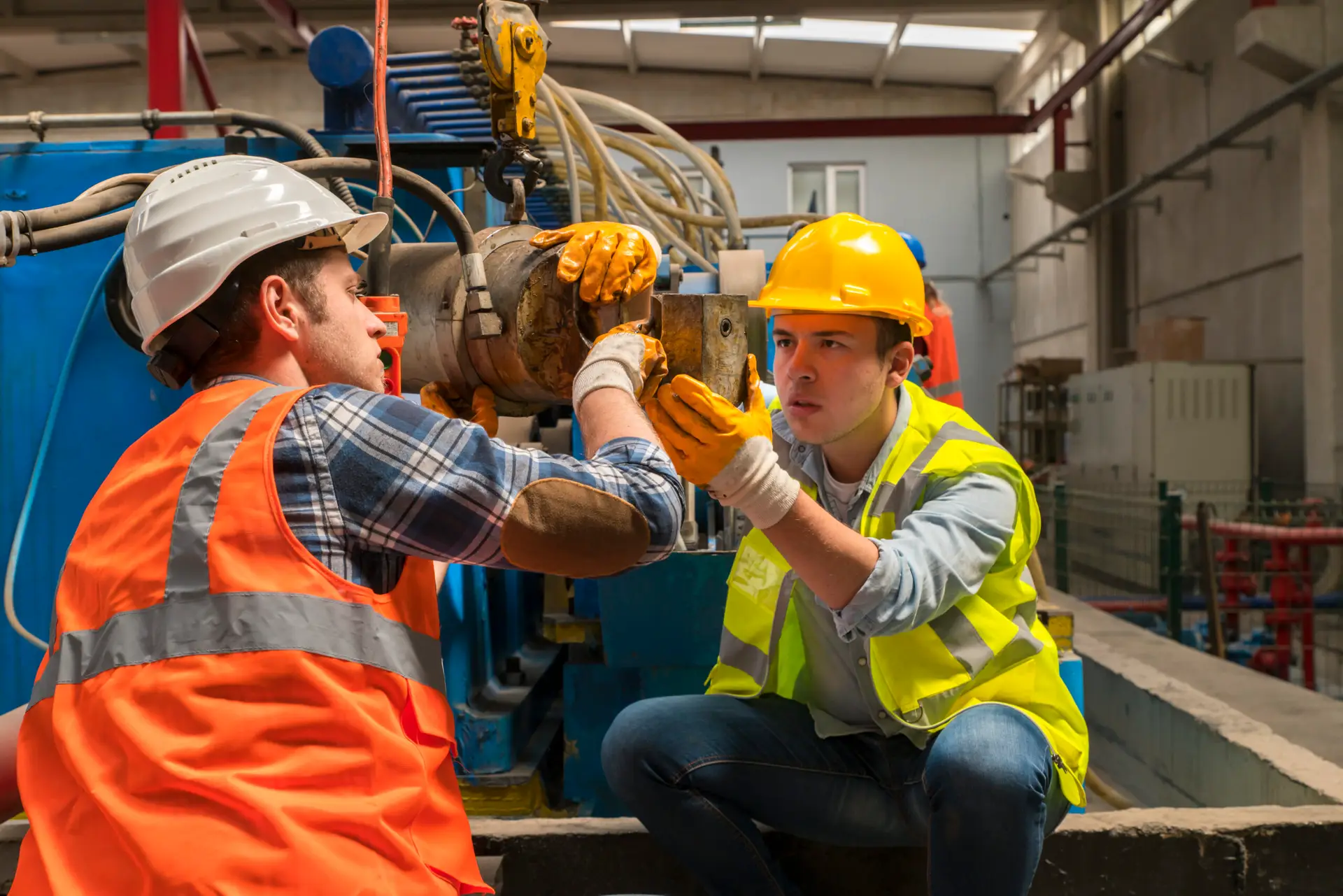
Visible fraying, kinks, corrosion, or stretched links in your hoist wire rope or chain are easy to spot but tricky to fix correctly. Replacing or repairing load-bearing rope and chain is not a basic maintenance task, even though it might look like a simple swap-out job.
Installing the wrong rope, chain, or fitting under load can cause a catastrophic failure without any obvious warning beforehand. Beyond the immediate danger, improper hoist chain replacement can also void the compliance and safety ratings your equipment relies on.
Whether it is a lifting media inspection or hoist rope repair, no matter how small, it should always go through a trained professional technician. They can match the correct diameter, grade, and fitting to your specific hoist. These load-bearing components are not the place to improvise.
Keep Your Cranes Compliant and Your Crew Safe.
Problem #3: Electrical and Control Faults
Tripping breakers, intermittent power, or a pendant and remote control that stops responding are all signs of a hoist electrical fault. Opening up electrical components without proper training carries shock and arc-flash risk, and that risk doesn’t go away just because the fix seems obvious.
If a wiring fix looks like it solved the problem, it can quietly create a hidden hazard that surfaces days later, sometimes far worse than the original issue. Whether motors, contactors, or control circuits, they all need proper diagnosis by someone who understands how they interact.
That is why you need to hire a competent, trained professional to address pendant control repairs and other hoist control problems. When you see hoist wiring issues, call a technician immediately rather than reaching for a screwdriver yourself.
Problem #4: Motor or Gearbox Trouble
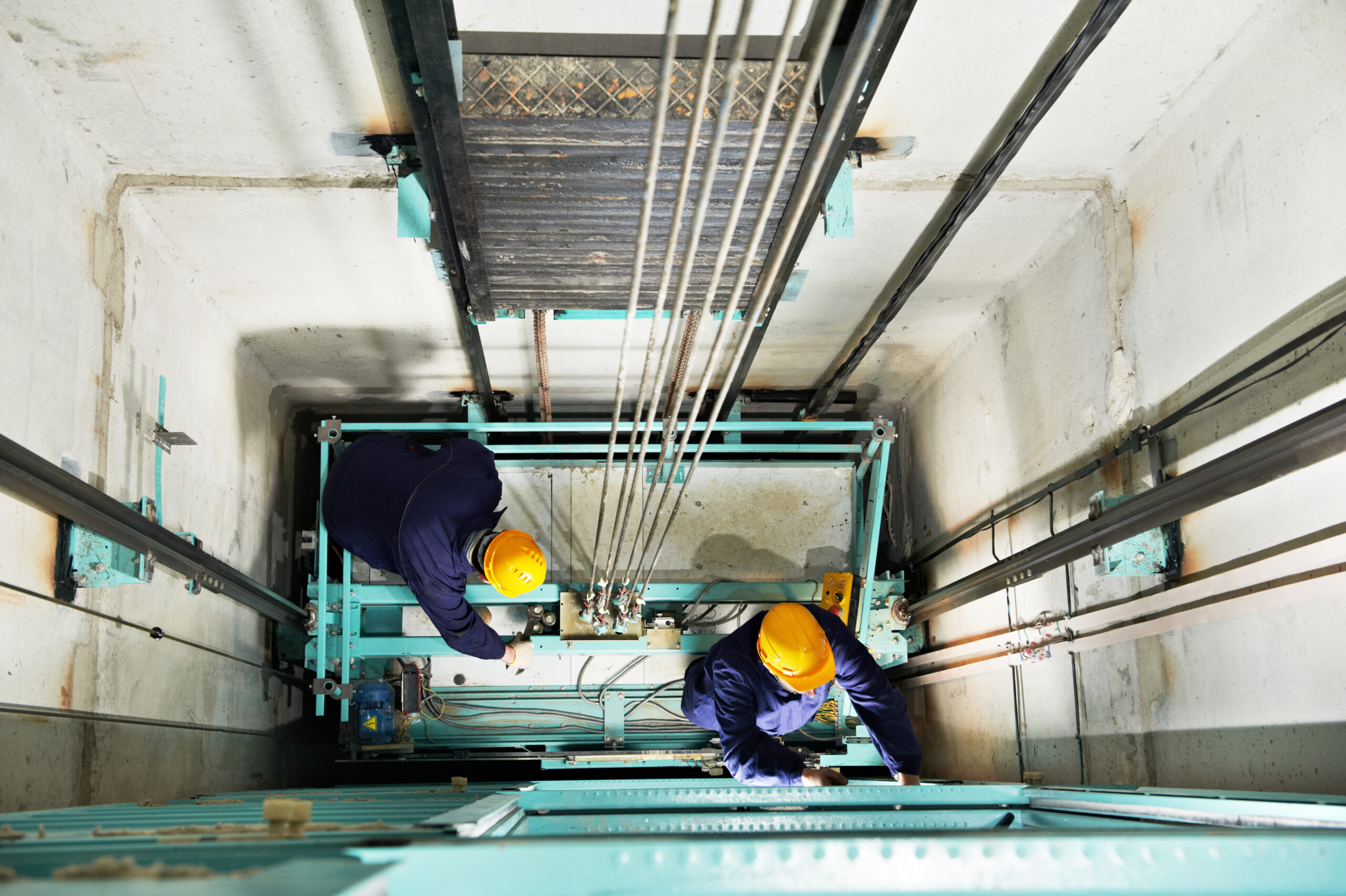
Overheating, a burning smell, grinding noises, or a noticeable loss of lifting power point to something going wrong inside the drive system. Motor and hoist gearbox problems both involve internals that require specialized tools and specific knowledge to service correctly.
Reassembling a drive system incorrectly under the demands of daily lifting work is a fast way to turn one problem into several. Misdiagnosis at this stage often leads to repeat failures and added cost down the road, since a symptom treated instead of a cause fixed tends to come back.
Your hoist drive system deserves a technician with the right parts, professional training, and the patience to find the actual source of the hoist mechanical failure before your equipment goes back into service. Get professional help at the earliest.
Fast, Reliable Repairs When You Need Them Most.
Problem #5: Worn or Damaged Hooks and Load Attachments
Typically, a widened hook throat opening, visible twisting, cracks, or a missing safety latch mean your load attachment hardware has taken more stress than it should. Load-bearing hardware should never be straightened or welded back into service, no matter how minor the damage looks.
There’s a hidden risk in reusing a hook that has already been stressed past its safe limits. It may hold today and fail tomorrow. Proper measurement and replacement are what keep your hoist operating within its rated capacity.
Why should a professional evaluate and replace these components? Because hoist hook inspection requires knowing exactly what tolerances and deformation limits apply to your equipment. If you see a damaged hoist hook, call a professional immediately.
Problem #6: Slipping, Jerky, or Erratic Lifting
When a hoist hesitates, lifts unevenly, or seems to start and stop on its own, the cause could be brakes, drives, or electrical systems, sometimes all three at once. This hoist slipping problem is genuinely difficult to pinpoint without the right testing equipment and process.
Many people try a surface-level fix, which typically quiets the symptom for a shift or two, only to mask a deeper problem that resurfaces the moment the hoist is under real load again. Jerky hoist operation and other hoist performance issues require a full, professional diagnosis, not a quick fix.
Problem #7: Structural or Mounting Damage
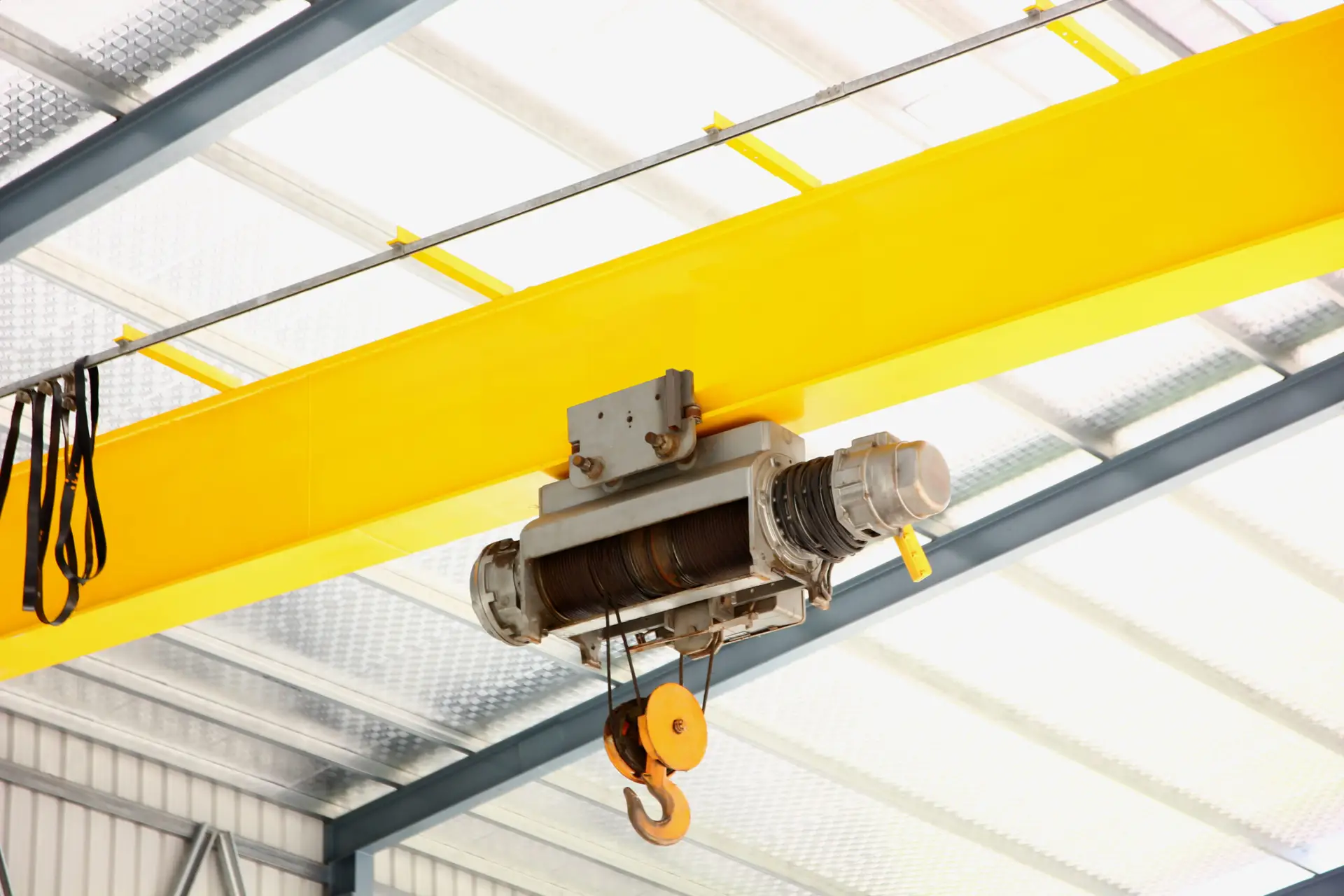
Cracks, bends, loose mounting, or visible signs of impact on the hoist frame or support structure are not cosmetic concerns. Structural hoist damage compromises the entire system’s ability to carry a load safely, and the whole lift is at risk of letting go.
Operating a hoist that isn’t securely or correctly supported is a gamble no facility should take. Structural concerns also link directly to the crane and runway system as a whole, not just the hoist itself.
What you need is a hoist frame inspection and broader structural survey by a qualified expert before the unit returns to service. They understand how the entire support system works together, not just the hoist hanging from it.
Quality Crane & Hoist Parts Ready to Ship.
Knowing When to Stop Is Part of Doing the Job Right
These seven problems share one thing in common: they all involve load-bearing or electrical systems where mistakes are costly, both financially and safety-wise. When you spot any of these warning signs, the safest move is to take the hoist out of service and lock it out so no one operates it by mistake while a fix is pending.
Knowing when to stop and call for help is a sign of a well-run maintenance program, not a shortcoming. Professional hoist repair protects your people, equipment, and uptime. It’s always the smarter long-term investment compared to a quick fix that doesn’t hold.
If your team is facing any of the issues above, Brennan Jacobs is here to help. We provide hoist repair service and maintenance support, and our team is happy to answer any questions along the way.
Contact us today to schedule an inspection at your facility.
Frequently Asked Questions (FAQs)
Many hoist problems involve parts that carry the full weight of a load, like brakes and wire ropes, or that carry electrical risk. OSHA requires this kind of work to be done by a qualified, competent person. If you try to fix it yourself without that training, you’re putting people at risk, risking more damage to the equipment, and putting your facility out of compliance.
Stop using the hoist immediately and remove it from service. A professional technician should inspect the brake system and identify the cause before the equipment is used again.
No. Wire rope and chain replacement requires the correct components, installation methods, and safety checks. A qualified technician should handle these repairs to ensure proper operation.
Warning signs include load drifting, unusual noises, electrical faults, jerky movement, overheating, damaged hooks, worn wire ropes, and visible structural damage.
Overheating, grinding sounds, burning smells, reduced lifting power, or unusual performance may indicate motor or gearbox issues that require professional diagnosis.
A hoist should be removed from service when it shows signs of unsafe operation, such as load slipping, damaged lifting components, electrical problems, or structural concerns.
Author:
Victor Crawford is the President and CFO of Brennan Jacobs Inc., a company he founded in 2010. He has 42 years of industrial machine maintenance experience, including 30 years focused on overhead cranes and hoists. Before starting his own company, he worked at Konecranes for many years, earning the title of Master Technician and later working as a salesman and Branch Manager, opening offices in Plant City, Miami, Jacksonville, Memphis, Little Rock, and Nashville. He holds a degree in Industrial Controls Engineering from Tampa Technical Institute and is a Journeyman Millwright.