
Preventive Maintenance Programs
Prevent problems before they disrupt production
Why Preventive Maintenance Becomes Urgent
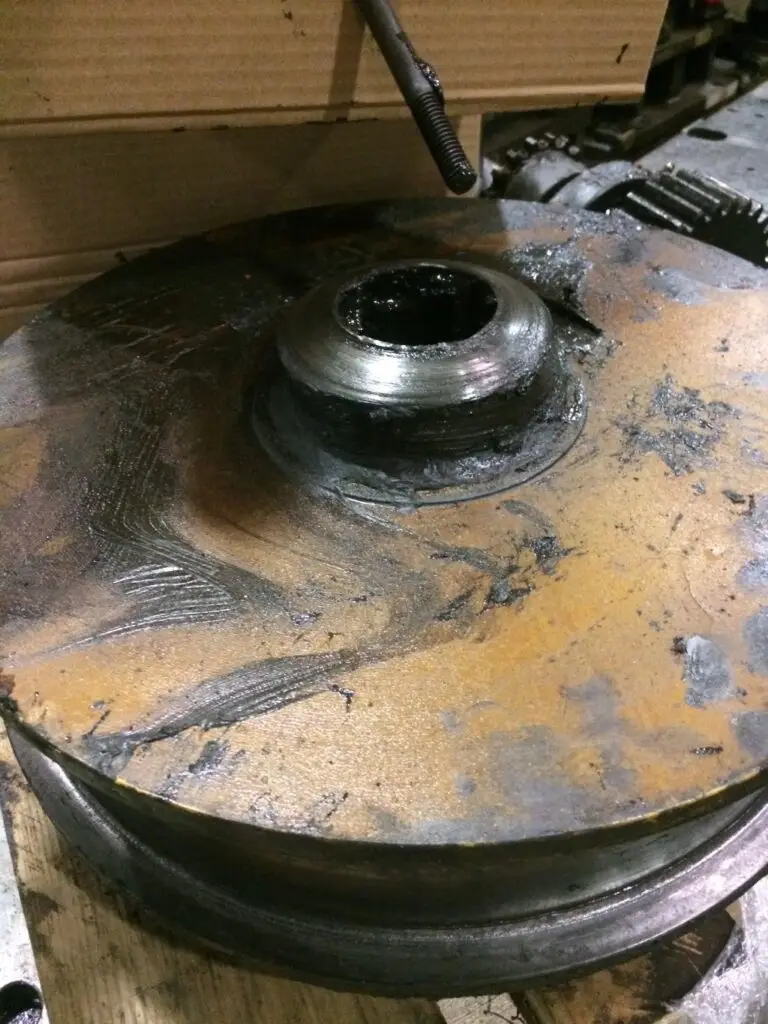
What You Are Really Trying to Prevent
Avoid unplanned crane and hoist failures
Reduce emergency calls and rushed repairs
Extend the life of expensive lifting equipment
Protect uptime, safety, and credibility
Keep maintenance work planned instead of chaotic
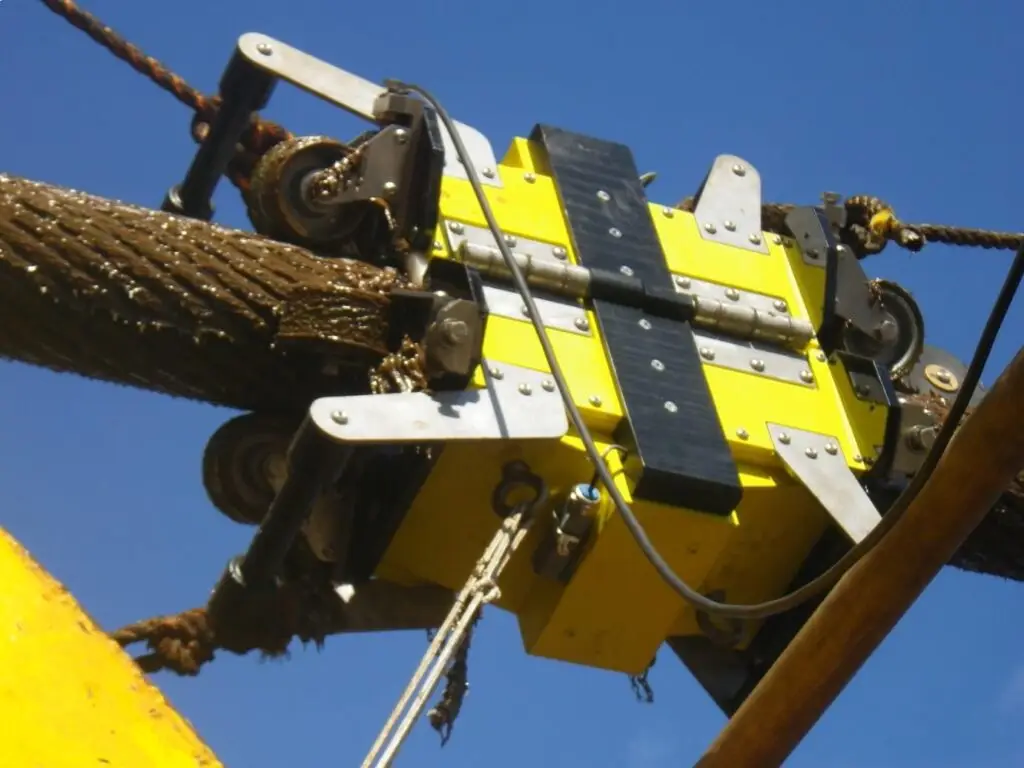
How Our Preventive Maintenance Programs Work
- Equipment type and age
- Duty cycles and operating environment
- Known wear points and past issues
- Safety and reliability priorities
The Difference Between Maintenance and Firefighting
- Issues are addressed before they cause downtime
- Wear trends are identified early
- Repairs can be planned instead of rushed
- Emergency calls become less frequent
- Maintenance time is spent improving reliability
Who These Programs Are For
This service is a good fit if you:
- Operate overhead cranes and hoists in industrial, high use environments
- Want fewer emergencies and more planned work
- Value long term equipment reliability
- Prefer a consistent maintenance partner
This service is not a fit if you:
- Only want emergency or breakdown repairs
- Are looking for one time service visits
- Operate small portable hoists in non industrial settings
- Are shopping strictly on lowest price
Frequently Asked Questions
What is included in a preventive maintenance program?
Each program is tailored to your equipment and operating conditions. It typically includes scheduled service visits, inspection and adjustment of key components, lubrication, minor repairs, and clear documentation of findings and recommendations.
How is this different from inspections?
Inspections identify issues and risks. Preventive maintenance addresses them. Inspections tell you what needs attention. Preventive maintenance is the ongoing work that reduces wear, prevents failures, and keeps equipment operating reliably between inspections.
How often is preventive maintenance performed?
Frequency depends on crane usage, environment, and duty cycle. During the consultation, we help determine a schedule that balances reliability, safety, and cost without over servicing the equipment.
Will this reduce emergency calls and downtime?
No program can eliminate every failure, but preventive maintenance significantly reduces unplanned outages. Most clients see fewer emergencies, fewer rushed repairs, and more predictable crane performance over time.
How does preventive maintenance support safety and compliance?
Routine maintenance helps ensure equipment continues to operate within safe limits and supports compliance with applicable OSHA regulations and ASME B30 series standards. Maintenance records also provide clear documentation for audits and reviews.
Can this be combined with inspections and other services?
Yes. Preventive maintenance programs often work best when combined with regular inspections, modernization planning, and responsive service support. The goal is a complete reliability strategy, not isolated services.
What is involved in getting started?
The first step is a consultation. We review your equipment, usage patterns, and current maintenance approach. From there, we determine whether a preventive maintenance program makes sense and outline a plan aligned with your operation.