
Key Takeaways
- Not all inspectors bring the same level of training or field experience.
- The right questions help you understand how they work before they arrive on site.
- Industry knowledge matters, especially with different overhead crane types and usage patterns.
- Standards and compliance knowledge should be clear and easy to explain.
- A proper inspection should follow a defined scope, not a surface-level check.
- Clear reporting with photos and structured findings supports better decisions.
- How issues are explained and prioritized matters for planning next steps.
- Insurance coverage should always be confirmed before work begins.
You rely on your overhead crane during every shift to move heavy loads and keep production flowing. It’s natural to expect the equipment to respond without delay. But to keep that streak going, your equipment needs a thorough evaluation.
That’s where you can count on a certified overhead crane inspector.
However, not every overhead crane inspector works with the same level of skill or detail. Some focus on surface-level checks, while others dig deeper into structure, controls, and wear patterns. The difference can leave issues hidden until they turn into downtime or safety concerns.
As your overhead crane inspection date approaches and you start looking for an expert, asking the right questions helps you narrow your search. It also helps you see how each inspector thinks about overhead crane safety, compliance, and reporting.
This guide gives you a clear set of questions you can use when evaluating overhead crane inspection services.
Question #1: Are You Qualified and Trained to Inspect Overhead Cranes?
A qualified overhead crane inspector should have training that focuses specifically on lifting systems, not general mechanical work. General mechanical experience does not fully cover crane structure, load movement, wear points, and system behavior under daily use.
You can ask about crane inspector certification and whether the inspector meets the industry and regulatory requirements. In the United States, organizations like NCCCO provide recognized certification programs for overhead crane operators and inspectors, helping confirm that a person has formal training in overhead crane safety and inspection practices.
In addition to these credentials, you would also want to work with someone who stays current with all the evolving overhead crane inspection qualifications and standards. You can also ask how often they refresh their training and knowledge. Inspection expectations and equipment design continue to change, so ongoing skill and knowledge development are equally important.
Question #2: How Familiar Are You with My Type of Overhead Crane and Industry?
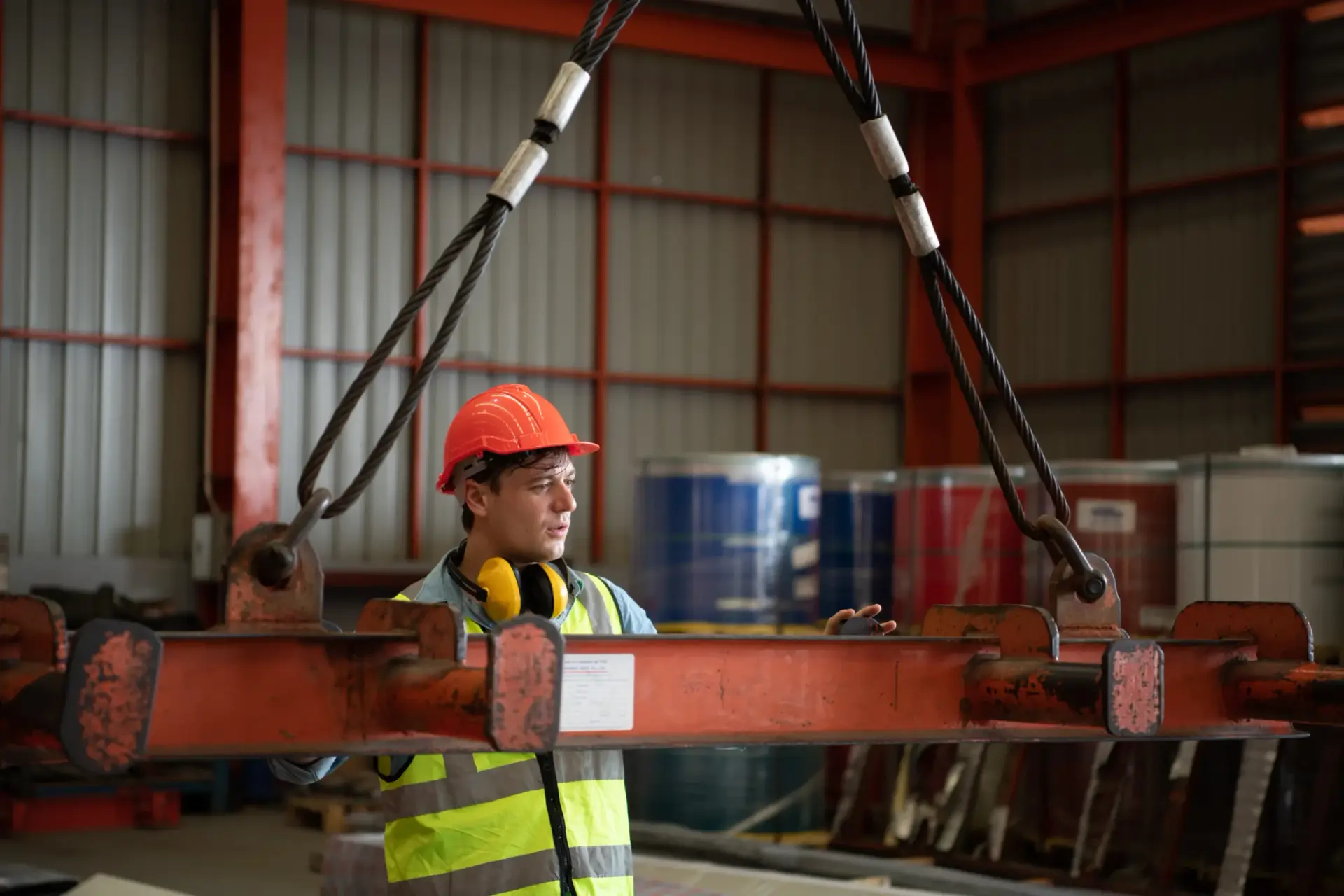
Different overhead crane systems behave in different ways. In other words, a bridge crane inspection will not be identical to a gantry crane inspection. Each system carries its own load patterns, stress points, and wear zones.
You need an industrial overhead crane inspection expert who understands your exact configuration. That includes runway length, duty cycles, and lifting frequency. The right inspector will be able to connect equipment design with how your facility actually uses it.
Think about the industry context too. For example, a warehouse system does not experience the same load demands as a steel fabrication shop or a manufacturing line. So, ask the lifting equipment inspector what similar systems they have worked on. Experience of inspecting your type of overhead cranes helps the inspector notice early signs of wear that others may miss.
Question #3: Do Your Inspections Follow OSHA and ANSI Standards?
Thorough and professional OSHA overhead crane inspections follow established guidelines such as OSHA 1910.179 and ASME B30 standards. These standards define how inspections should be structured and what conditions require attention.
You can ask how they separate frequent, periodic, and initial inspections. Each type serves a different purpose in overhead crane compliance inspection programs. Standards-based work helps your records hold up during audits. It also helps you set up an audit-ready overhead crane inspection process when documentation is reviewed.
Another point you can discuss is how these findings are linked to specific requirements. The inspector who understands various industry standards can explain how each step connects to your compliance expectations. If an inspector cannot clearly reference the required standards, that’s a red flag.
Question #4: What Does Your Inspection Actually Cover?
Before work begins, you need clarity on the full overhead crane inspection checklist. Having a clear scope protects you from missing critical checks.
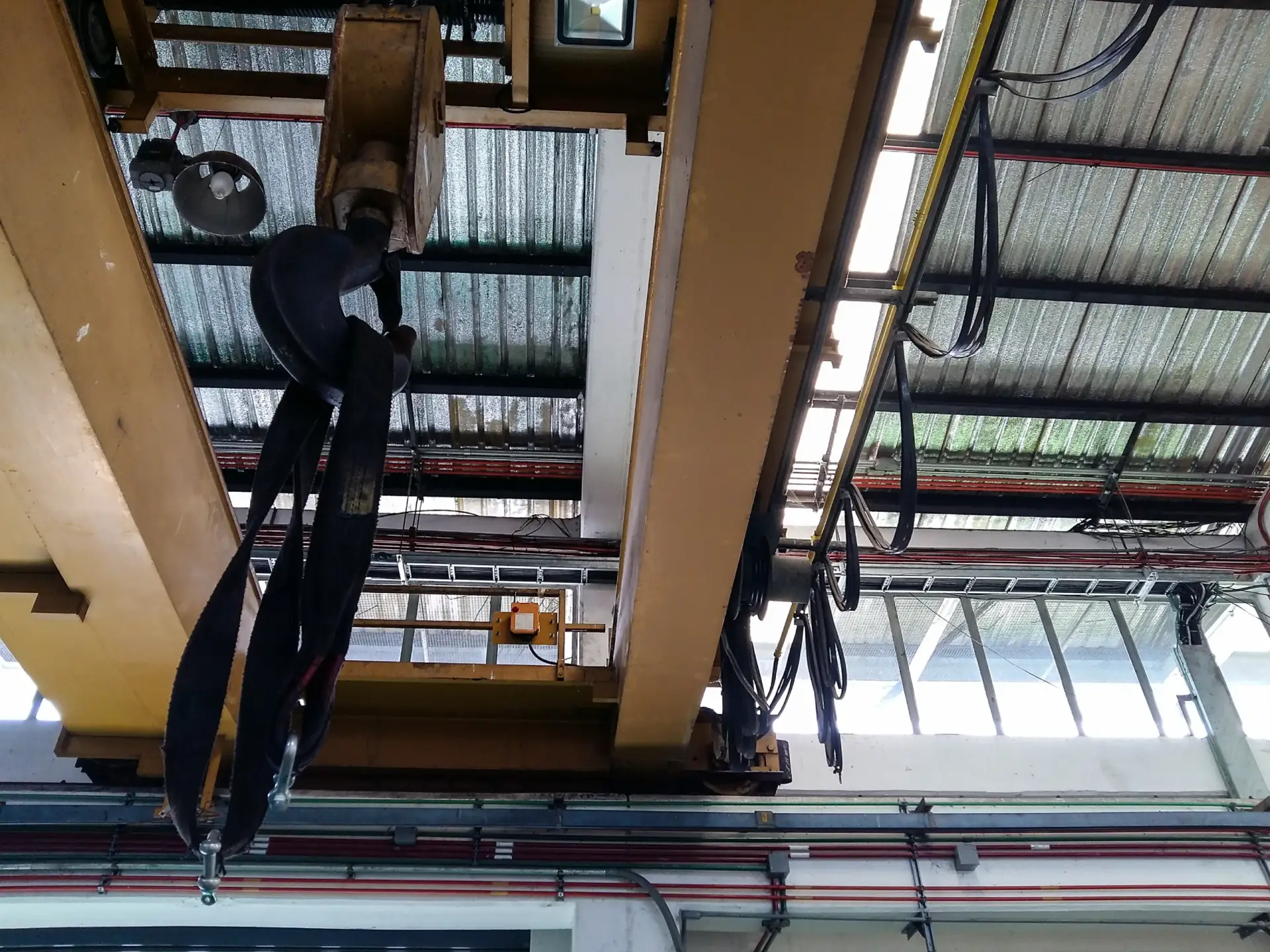
Typically, a complete overhead crane inspection scope should include wire rope, hooks, brakes, controls, electrical systems, structure, and runway alignment. Each part plays a role in system performance and safety compliance.
While visual checks are a great starting point, you need a more in-depth overhead crane inspection to comply with the regulations. So, ask the inspector how long the process takes and what steps are included.
Some professional overhead crane inspection services include load testing, hoisting checks, or scanning services, while others treat them as separate items. Knowing this upfront helps you plan your maintenance schedule.
Question #5: What Kind of Report and Documentation Will I Receive?
Getting a verbal summary at the end of a visit, no matter how detailed, isn’t enough. You need a written, detailed overhead crane inspection report that includes findings, photos, severity ratings, and crystal clear recommendations.
Good overhead crane inspection documentation should work with your recordkeeping and give you something solid to reference during audits. It should not just be a summary of what someone mentioned in passing.
Ask the overhead crane inspector how quickly reports arrive after the inspection is complete, since a report that takes weeks to land doesn’t help you plan repairs on time. Be sure to organize and date all your OSHA inspection records. They should be easy to pull up when needed.
Keep Your Cranes Compliant and Your Crew Safe.
Question #6: How Do You Handle the Problems You Find?
Pay close attention to how an inspector talks about problems, because this reveals a lot about how they’ll work with you long-term. Do they explain issues plainly, or leave you guessing at what a finding actually means for your operation?
A trustworthy inspector separates items needing immediate attention from those that can wait, without inflating the list. Some overhead crane inspection findings get exaggerated by providers looking to upsell overhead crane repair services you may not actually need. So, it’s fair to ask direct questions about urgency and reasoning.
It’s also worth asking whether they offer repairs and parts themselves or simply report and walk away. With a single vendor overhead crane support, where one provider handles everything from inspection to repair, it often means fewer delays. This also provides more precise overhead crane maintenance recommendations overall.
Question #7: Are You Insured and Covered for Liability?
Working at height, around heavy loads, and inside active facilities carries risk, and you shouldn’t have to absorb that risk because a vendor skipped their paperwork. Ask directly for proof of liability coverage and workers’ compensation before anyone steps onto your floor.
Working with an insured overhead crane inspector protects your facility if something goes wrong during the visit itself. On the other hand, a provider without proper coverage can leave you exposed to overhead crane inspection liability you never signed up for.
Be sure to confirm if the provider has overhead crane service insurance before scheduling work. It takes only a few minutes and saves you from a much bigger headache later. Any legitimate inspector would be more than happy to produce this documentation. They will have it ready before you even ask.
Fast, Reliable Repairs When You Need Them Most.
How to Compare Your Options After Asking These Questions
Once you’ve asked these questions to a few overhead crane inspectors, resist the urge to choose the one based on price alone. Put the answers side by side and weigh qualifications, scope, reporting quality, and responsiveness together as a full picture.
Choosing an overhead crane inspector based purely on the cost often backfires. The cheapest option may end up costing far more if problems go unnoticed until they cause unplanned downtime or safety incidents.
During the overhead crane inspection comparison, you should also consider response time and availability for follow-up work, since equipment needs don’t stop after the inspection ends. Trust your read on clear communication, too. Straight answers to direct questions are usually a sign of reliable overhead crane inspection services.
Make The Right Call for Your Equipment and Team
The right inspector is found by asking direct questions, not by assuming every expert handles things the same way. Qualifications, standards, clear reporting, and honest findings are what separate a thorough overhead crane inspection from a rushed, checkbox visit. Taking the time to find the right inspector also boosts overhead crane safety and uptime, so it’s worth the extra effort.
Keep this list handy the next time an inspection date comes around, and use it with confidence. When you’re ready to ask these questions directly, you can reach out to Brennan Jacobs. Our team is here to answer them and explain all our overhead crane inspection services.
Contact us to schedule a call or site visit to inspect your lifting equipment.
Quality Crane & Hoist Parts Ready to Ship.
Frequently Asked Questions (FAQs)
A qualified overhead crane inspector has the training and experience needed to identify safety concerns, equipment wear, and potential issues that may be missed during basic checks.
An overhead crane inspector should have proper training, industry knowledge, and experience inspecting lifting equipment. They should also understand applicable OSHA and ANSI standards.
A typical overhead crane inspection may include checking components such as wire ropes, hooks, brakes, controls, electrical systems, structural parts, and runway alignment to ensure safe operation.
Inspection frequency depends on the crane type, usage, operating conditions, and applicable safety requirements. Regular inspections help identify issues early and prevent unexpected equipment problems.
A detailed inspection report should include inspection findings, identified issues, photos if needed, severity levels, and recommendations for repairs or maintenance.
No. While cost is important, businesses should also consider the inspector’s qualifications, experience, inspection process, reporting quality, and ability to provide reliable recommendations.
Author:
Victor Crawford is the President and CFO of Brennan Jacobs Inc., a company he founded in 2010. He has 42 years of industrial machine maintenance experience, including 30 years focused on overhead cranes and hoists. Before starting his own company, he worked at Konecranes for many years, earning the title of Master Technician and later working as a salesman and Branch Manager, opening offices in Plant City, Miami, Jacksonville, Memphis, Little Rock, and Nashville. He holds a degree in Industrial Controls Engineering from Tampa Technical Institute and is a Journeyman Millwright.