
Key Takeaways
- Regular overhead crane inspections help identify potential issues before they lead to equipment failure or workplace accidents.
- Common problems such as wire rope wear, brake failure, structural cracks, electrical faults, and hook damage can be detected early through routine inspections.
- A proactive overhead crane maintenance and inspection program helps reduce downtime, repair costs, and unexpected production disruptions.
- Following OSHA 1910.179 and ASME B30 inspection standards improves crane safety, compliance, and operational reliability.
- Investing in professional overhead crane inspection services protects your employees, extends equipment life, and keeps your operations running safely.
Whenever a overhead crane stops mid-lift, the first question is, “Why did this happen so suddenly?”
Truth is, it rarely does. Most crane failures don’t come out of nowhere. They trace straight back to an overhead crane inspection that got delayed, skipped, or rushed through without genuine scrutiny. Cutting corners on overhead crane inspections happens more often than you think.
Sometimes, it’s a missed inspection cycle or a shift where nobody checked the wire rope. On many occasions, it’s the typical “we’ll get to it next month” mindset. None of it looks serious enough until the day it catches up with you.
In other words, the cost of a skipped overhead crane inspection is almost always higher than a genuine, detailed inspection itself. Whether it’s repairs, downtime, injuries, or OSHA citations take more money, effort, and time to address. But you can complete a professional overhead crane inspection at a fraction of the cost and time.
Let’s talk about five realistic scenarios showing what happens when inspections fall through the cracks, and exactly what a proper overhead crane inspection would have caught before things went wrong.
Incident #1: A Snapped Wire Rope Drops a Loaded Hook
Think of a facility where lifting equipment inspection started slipping. First by a week, then by a month. As this happened, nobody flagged the wire rope because no one was looking closely enough. The fact is, frayed strands and corrosion don’t happen overnight. They build slowly and without getting noticed until the rope is carrying far less margin than anyone realizes.
When the rope finally gave way, the load dropped, damaging equipment below and narrowly missing a worker who had stepped away seconds earlier. What followed were days of downtime, an emergency rope replacement, and a production schedule thrown into chaos.
All of this trouble could have been saved if the facility had paid attention to basic overhead crane wire rope inspection. This would have caught the fraying long before it became a nearly fatal dropped load incident. That’s exactly why overhead crane inspections exist as a standard, not an afterthought.
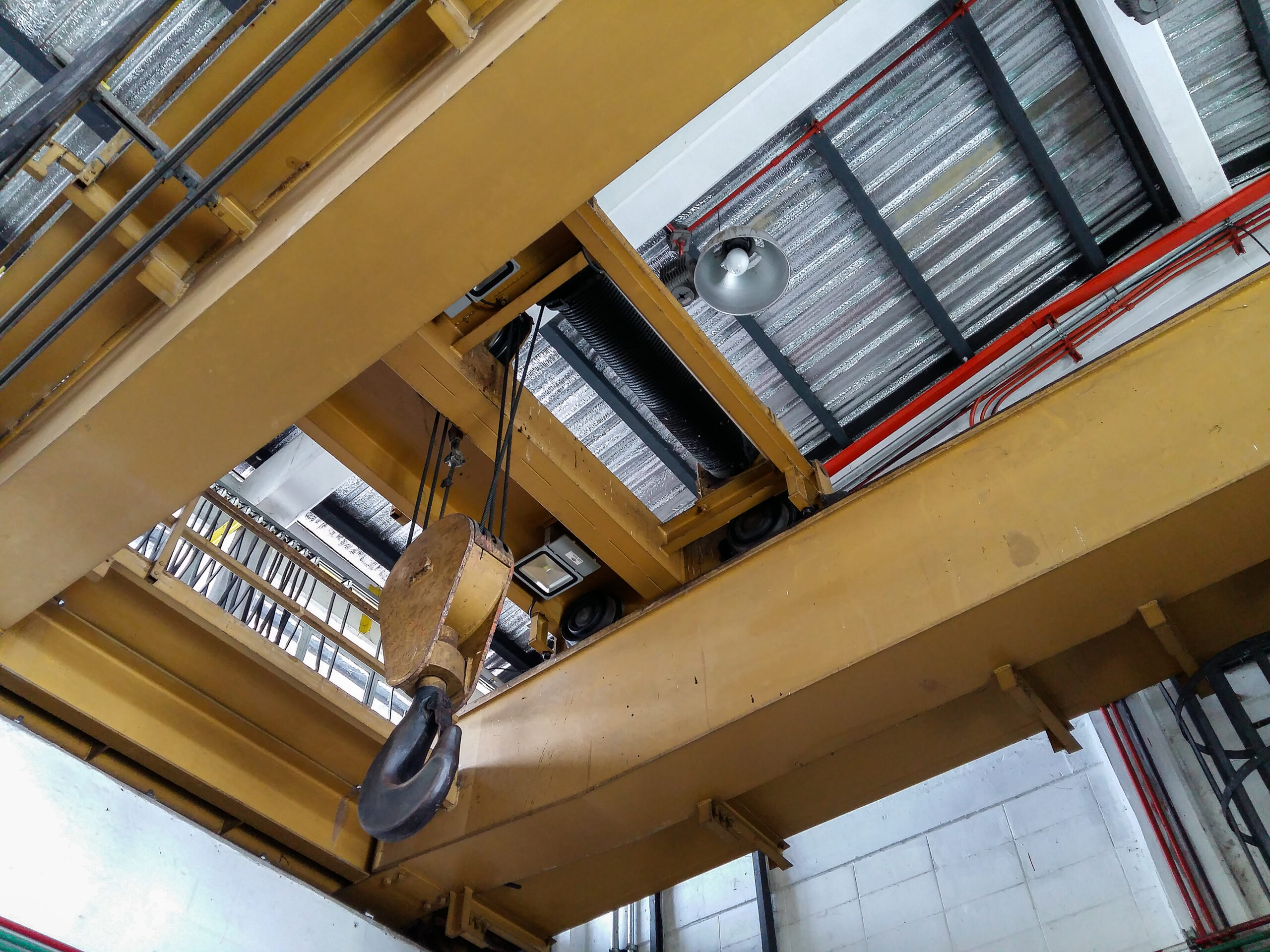
Incident #2: Brake Failure Causes an Uncontrolled Load Drop
In another shop, operators noticed the overhead crane’s brakes were letting loads drift slightly before catching. It happened once, then again, and eventually became something everyone just worked around. Unfortunately, nobody logged it as a problem worth investigating.
Then came the day the brake just didn’t hold. A suspended load dropped without warning, putting workers nearby at genuine risk and destroying products on the floor. The investigation that followed traced it back to worn brake components that a routine professional hoist brake inspection would have flagged weeks earlier.
Like many issues, overhead crane brake failure rarely happens without warning signs. Even in this case, the chances are, the warning was there; it was just ignored. The good news is you can close this gap by checking all overhead crane safety systems regularly. Turn this into a habit.
Keep Your Cranes Compliant and Your Crew Safe.
Incident #3: A Cracked Weld Leads to Structural Failure
Structural issues are some of the sneakiest problems a crane can develop. In this scenario, a hairline weld crack formed months before anyone noticed it. Repeated loads, ordinary corrosion, and daily wear all worked together, slowly turning a small defect into a serious structural weakness.
By the time it showed itself, the result was a partial structural failure that forced an entire section of the facility to shut down. The repair bill was steep, and lost production time made the situation worse.
Once again, a scheduled overhead crane structural inspection could have prevented this issue from happening. Routine structural review can help you identify overhead crane damage. In other words, this becomes a matter of when, not if.
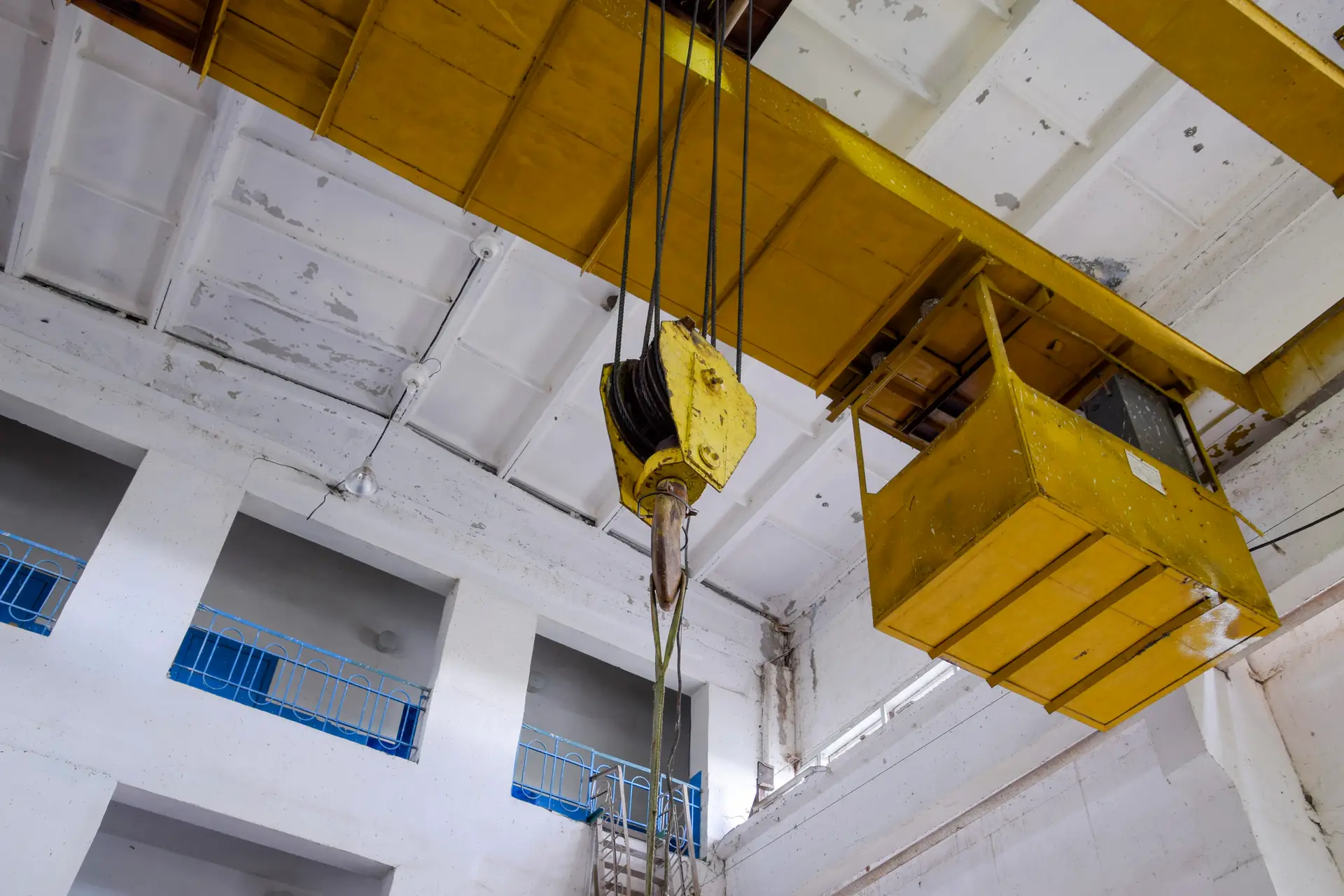
Incident #4: An Electrical Fault Sparks an Unexpected Shutdown
Electrical faults can lead to deadly accidents. In fact, electrical faults caused an average of 147 occupational fatalities per year. The risk is higher because electrical problems have a habit of getting waved off as “just a glitch.”
That’s what happened in this hypothetical example. Intermittent power loss and faulty controls kept popping up, but nobody dug into the cause. Each time, the crane came back online, and work continued as if nothing were wrong.
Eventually, the fault triggered a shutdown in the middle of a lift, leaving a load suspended and creating a genuinely dangerous situation for everyone nearby. Naturally, this was followed by an emergency call-out and a rushed repair at a cost far higher than a scheduled fix would have been.
Once again, it’s evident that a thorough overhead crane electrical inspection would have kept the people operating the equipment safe. When done on time, you can identify potential issues long before an overhead crane shutdown stops your work.
Fast, Reliable Repairs When You Need Them Most.
Incident #5: An Overworn Hook Fails Under Load
Hooks take a beating every single day, and it’s easy to assume they’ll simply hold up indefinitely. In this case, nobody was measuring the hook’s throat opening or checking for deformation. Daily use gradually stretched the hook past its safe limits, a change so gradual it went unnoticed.
The failure happened during what should have been a routine lift. The load hit the floor, causing damage, triggering a cleanup, and drawing serious OSHA scrutiny.
Fortunately, a basic overhead crane hook inspection measures exactly this kind of wear, and it’s one of the simplest steps in the entire process. Load-bearing components like hooks are foundational to overhead crane safety, and they should be a part of your regular inspection program.
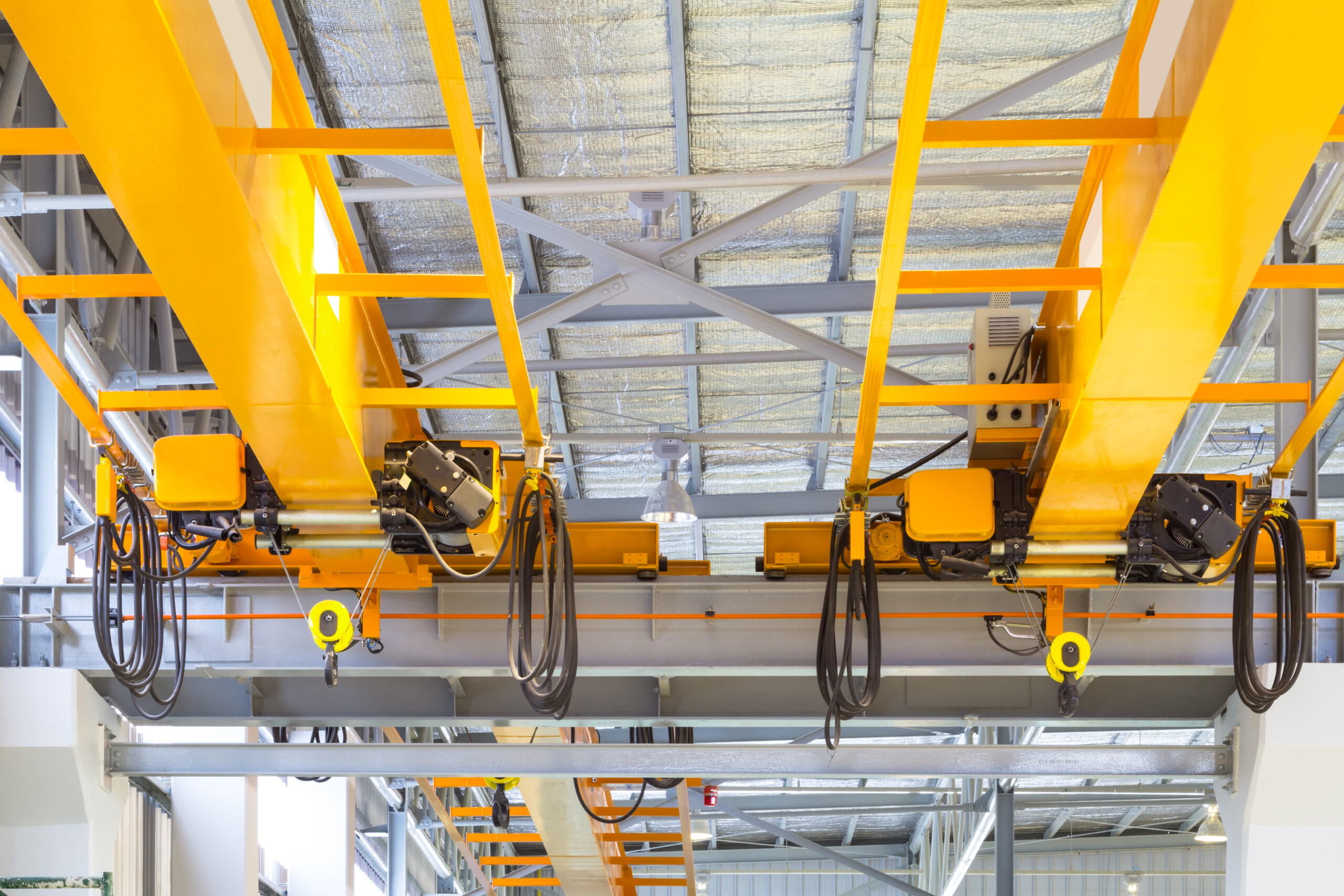
How to Avoid Becoming the Next Example
Although these examples are hypothetical, they all show a clear pattern: each of these scenarios started small. It was typically a slight fray, minor drift, hairline crack, flickering control panel, or stretched hook. None of those issues looked urgent at first, and that’s exactly what made them dangerous.
Protecting your team and lifting equipment comes down to a few habits built into an overhead crane maintenance routine. That means you should:
- Set and follow a regular overhead crane inspection schedule rather than waiting for a visible problem to force the issue.
- Keep detailed records so wear trends become visible over time instead of staying hidden until failure.
- Act on inspection findings without delay instead of pushing repairs down the road.
- Confirm your inspections align with OSHA 1910.179 and ASME B30 standards, so nothing falls through regulatory gaps.
- Work with a qualified overhead crane inspector who can catch what an untrained eye might miss, and follow through with repairs and parts when findings call for it.
Creating a solid preventive maintenance program that specifically covers ASME and OSHA crane compliance isn’t about paperwork for its own sake. It’s about catching the smallest issues before it becomes the expensive, dangerous stuff.
Prevention Costs Less Than a Overhead Crane Failure
Every scenario above shares the same lesson that a timely and thorough overhead crane inspection would have prevented the accident. Whether it’s a fraying rope, worn brake, hidden weld crack, recurring electrical fault, or stretched hook, the warning signs are almost always there well before failure happens.
The cost of catching them early is minor compared to the cost of cleanup, downtime, and injury that follows a preventable failure. Professional overhead crane inspection services protect your people, equipment, and uptime all at once.
Before a failure forces your hand, take a look at your current inspection habits and ask whether they’re catching problems early enough. Brennan Jacobs is here to help you take the right steps and answer any questions about keeping your operation safe and running smoothly.
Contact us today to schedule an on-site inspection.
Quality Crane & Hoist Parts Ready to Ship.
Frequently Asked Questions (FAQs)
Regular overhead crane inspections help identify wear, damage, and safety concerns before they lead to equipment failure, costly repairs, or workplace incidents.
Skipping inspections can allow issues such as damaged wire ropes, worn brakes, structural damage, electrical faults, and hook wear to go unnoticed, increasing the risk of failures and downtime.
A typical overhead crane inspection includes checking components such as wire ropes, hooks, brakes, structural parts, electrical systems, controls, and other safety features.
Yes. Regular inspections help identify potential hazards early, allowing maintenance teams to address problems before they create unsafe working conditions.
Inspection frequency depends on the crane type, usage, operating environment, and applicable OSHA and ASME requirements. Regular inspections should be part of a preventive maintenance program.
Common warning signs include unusual noises, load drifting, damaged wire ropes, slow or uneven movements, electrical issues, visible cracks, and excessive wear on hooks or lifting components.
Businesses can reduce risks by following a regular inspection schedule, maintaining accurate records, completing repairs promptly, and working with qualified crane inspection professionals.
Author:
Victor Crawford is the President and CFO of Brennan Jacobs Inc., a company he founded in 2010. He has 42 years of industrial machine maintenance experience, including 30 years focused on overhead cranes and hoists. Before starting his own company, he worked at Konecranes for many years, earning the title of Master Technician and later working as a salesman and Branch Manager, opening offices in Plant City, Miami, Jacksonville, Memphis, Little Rock, and Nashville. He holds a degree in Industrial Controls Engineering from Tampa Technical Institute and is a Journeyman Millwright.