
Crane and Hoist Repairs
Repairs that restore reliability without creating new problems
When a crane or hoist goes down, production pressure escalates fast. Everyone wants it fixed immediately, but rushed repairs often create new issues, repeat failures, or safety concerns that show up later.
Our crane and hoist repair service is built to restore equipment safely, correctly, and predictably so you can get back to production with confidence and avoid the same problem happening again.
When Repairs Become Critical
Most repair calls start the same way.
A crane faults out. A hoist stops responding. A component fails sooner than expected. Production is impacted and the focus shifts to one thing: getting the equipment running again.
The real stress comes afterward.
Was this repaired the right way?
Is something else about to fail?
Will this turn into another emergency next week?
That uncertainty is what makes repair situations so disruptive.
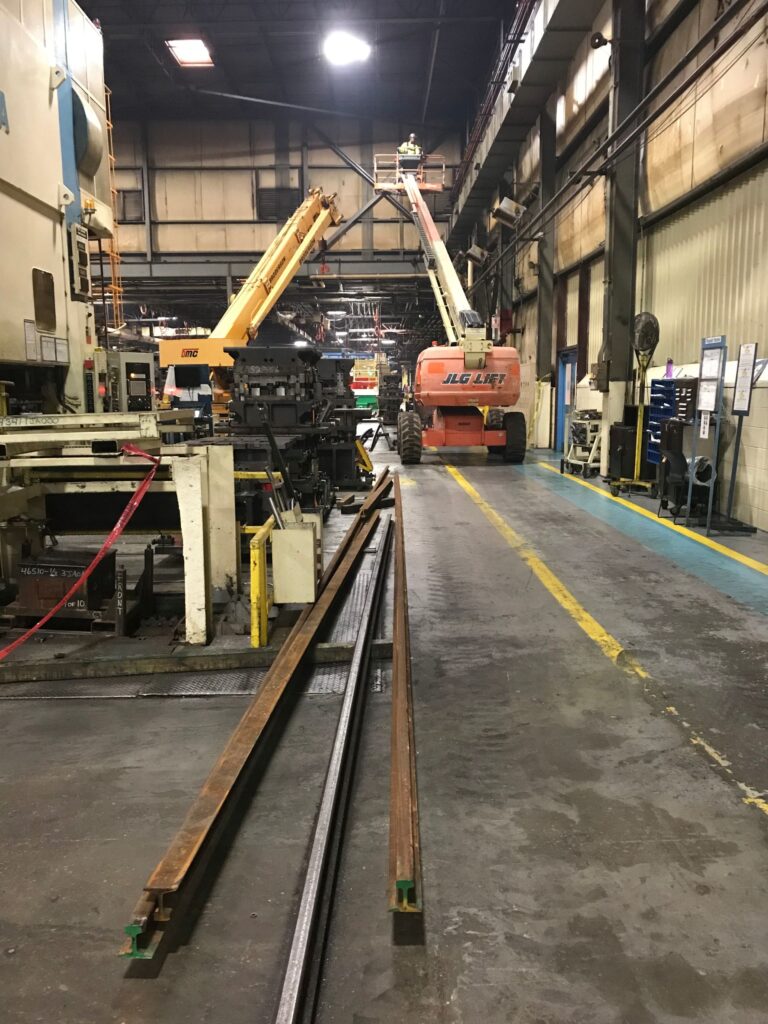
What You Are Really Trying to Avoid
You are not just trying to fix a broken component.
You are trying to:
Restore production without introducing new risks
Avoid repeat failures from rushed or incomplete repairs
Protect people working around lifting equipment
Maintain credibility with leadership and operations
Prevent emergency repairs from becoming routine
A good repair solves the immediate issue and reduces the chance of the next one.
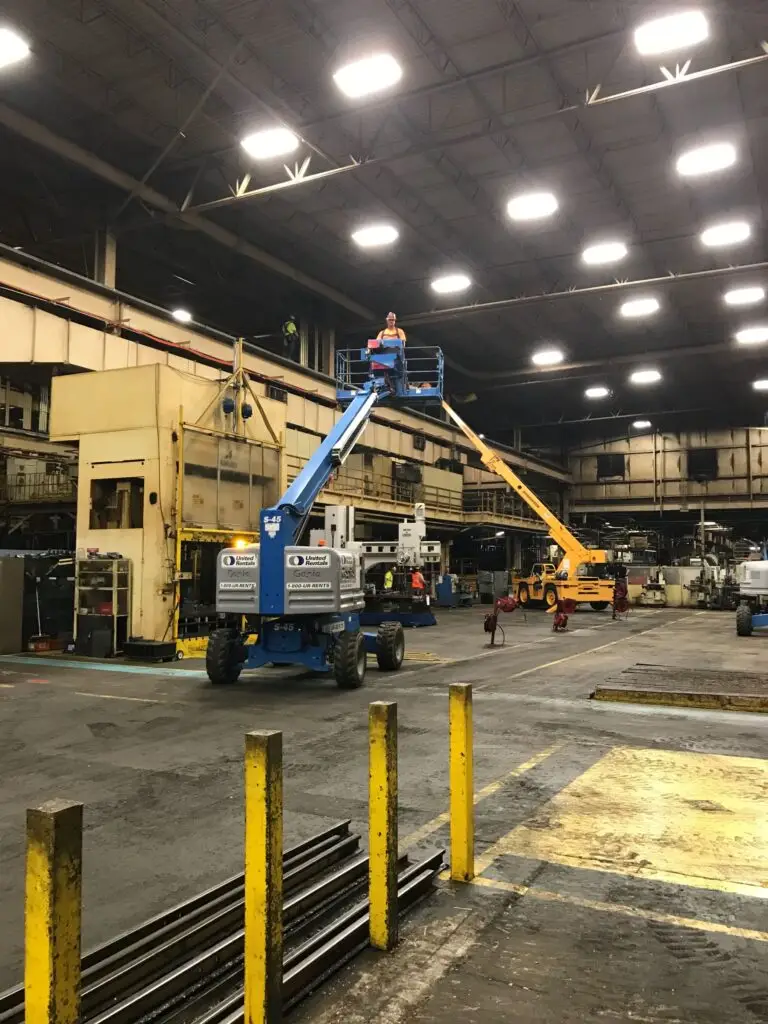
How Our Repair Approach Is Different
We do not treat repairs as isolated events.
When we respond to a crane or hoist issue, we look at:
- What failed and why
- Whether related components show signs of stress or wear
- How the equipment is being used in real conditions
- What can be addressed now to prevent repeat downtime
Repairs are completed using the correct parts, proper procedures, and clear communication throughout the process. You know what was repaired, what to watch next, and what can be planned instead of rushed later.
The goal is not just to get running again. The goal is to restore reliability.
Warranty Support, Accountability, and Response
When production is impacted, response time and accountability matter just as much as the repair itself.
1
Response & Planning
When a crane or hoist is down and production is impacted, response time matters. For emergency repair situations, we offer a one hour response time guarantee, meaning we will be en route within one hour to address the issue and help restore operation safely and correctly.
Not all repair work is an emergency. Planned repairs are handled differently. These are scheduled intentionally to reduce disruption, allow proper preparation, and ensure work is completed efficiently without unnecessary rush or risk.
2
Warranty & Accountability
We also work directly with manufacturers and suppliers on warranty-related issues so you do not have to manage those conversations or coordination. If a failure or component is covered, we help keep the process moving.
In addition, all of our repairs, modernizations, and new equipment installations include a one year labor workmanship warranty. The work is not just completed. It is backed. This gives you confidence that repairs are done correctly and that accountability does not end when the job is finished.
From Emergency Repairs to Fewer Emergencies
Reactive repairs keep teams stuck in crisis mode.
When repairs are handled correctly and consistently:
- Repeat failures become less common
- Emergency calls become less frequent
- Repairs can be planned instead of rushed
- Equipment behavior becomes more predictable
- Maintenance regains control of the schedule
Over time, repair work shifts from constant reaction to part of a broader reliability strategy.
Who This Service Is For
This service is a good fit if you:
- Operate overhead cranes and hoists in industrial environments
- Want repairs done correctly, not just quickly
- Care about safety, reliability, and long term equipment health
- Value clear communication and documentation
This service is not a fit if you:
- Only want the fastest or cheapest possible fix
- Are looking for temporary or shortcut repairs
- Operate small portable hoists in non industrial settings
- Treat repairs as one off emergencies with no follow up
We work best with teams that want repairs to reduce future risk, not repeat it.
Frequently Asked Questions
How quickly can you respond to a repair issue?
We offer a one hour response time guarantee. Once a repair request is received, we will be en route within one hour. Response time can depend on location and the nature of the issue, but our goal is to minimize downtime while ensuring repairs are handled safely and correctly.
Do you only perform emergency repairs?
No. While we do respond to urgent repair needs, our repair work is most effective when it is part of an ongoing service or maintenance relationship. This helps reduce repeat failures and emergency situations over time.
Who performs the repair work?
Our repair work is performed by our team, and we also work with qualified subcontractors when needed. Subcontractors may be used in addition to our personnel for specialized support such as rigging, mobile equipment operation, welding, or other services required to complete the work safely and efficiently.
Will you identify other issues while making repairs?
Yes. When performing repairs, we look for related wear or conditions that could lead to additional failures. Any findings are communicated clearly so you can decide what should be addressed now and what can be planned.
Are replacement parts included?
Replacement parts depend on the nature of the repair. We use appropriate parts for the equipment and application and communicate clearly about what is required before proceeding whenever possible.
How do repairs support safety and compliance?
Repairs are performed in accordance with applicable OSHA regulations and relevant ASME B30 series standards. Proper repair practices and documentation help ensure equipment is returned to safe operating condition and supports audit and safety requirements.
Can repairs be coordinated with inspections or preventive maintenance?
Yes. Repairs often work best when coordinated with inspections and preventive maintenance programs. This allows issues to be addressed proactively and reduces the likelihood of future emergencies.
What is the first step if we need repairs?
The first step is a conversation. We gather details about the issue, equipment, and operating conditions to determine the safest and most effective repair approach.
The Next Step
If a crane or hoist issue is disrupting production or creating uncertainty, the next step is to talk.
We will review the situation, discuss repair options, and determine the best path to restore reliability and reduce future risk.