
Overhead Crane and Hoist Inspections
Inspections that prevent surprises and keep production moving
Unexpected crane or hoist failures do more than stop production. They put maintenance under immediate scrutiny and force teams into reaction mode.
This inspection service is built for maintenance leaders who want predictable performance, fewer fire drills, and confidence that lifting equipment will not be the reason everything grinds to a halt.
When This Problem Usually Shows Up
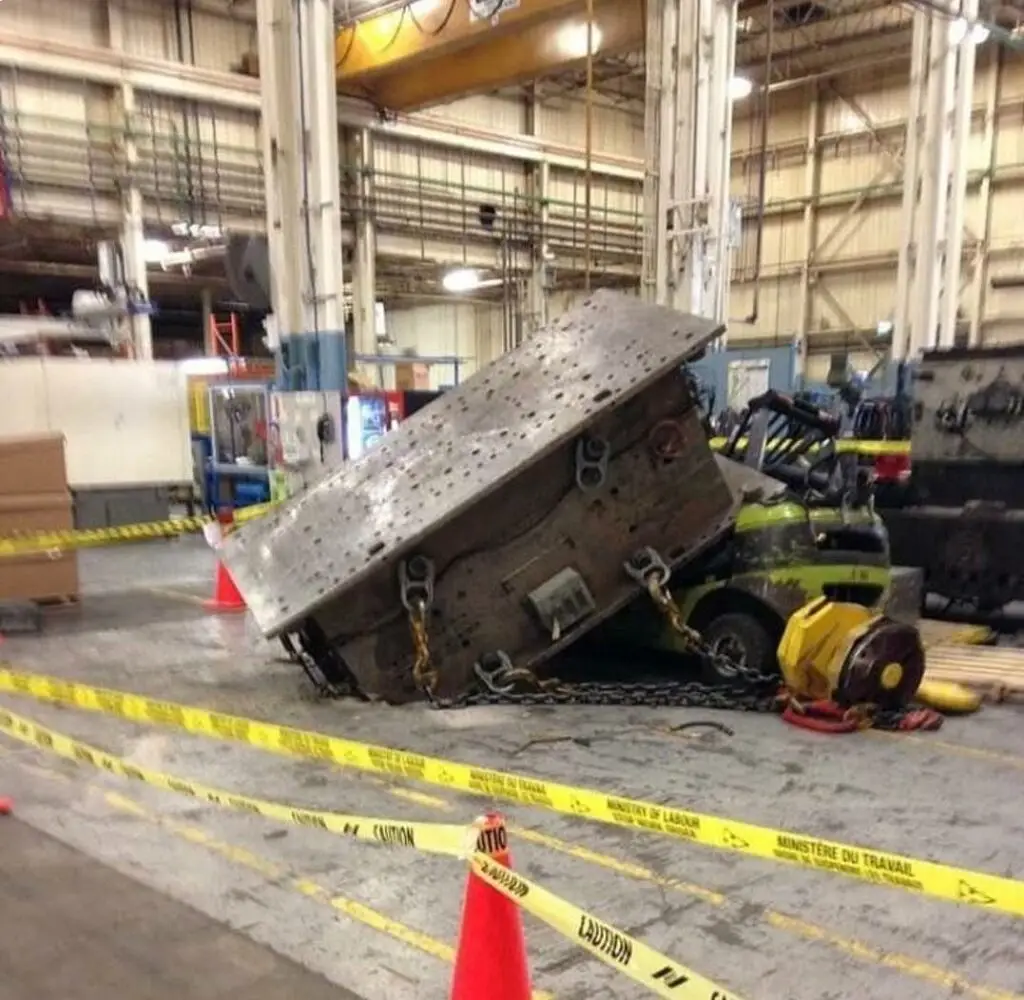
It often starts with an unexpected crane failure or a near miss that almost turns serious. Production stops or nearly does. People scramble to understand what happened.
Then comes the meeting.
Leadership asks how this was missed. Maintenance is expected to have answers.
Even when the team has been doing everything they can, that moment creates pressure, doubt, and stress that lingers long after the equipment is running again.
What You Are Really Trying to Avoid
You are not just trying to pass an inspection.
You are trying to:
Eliminate surprise breakdowns that halt production
Avoid near misses that put people at risk
Protect your credibility with leadership and safety teams
Stop working late just to make sure nothing gets missed
Stay ahead of issues instead of reacting to them
A good inspection program should reduce stress, not add to it.
How Our Inspection Approach Is Different
Many crane inspections focus only on meeting minimum requirements.
We take a different approach.
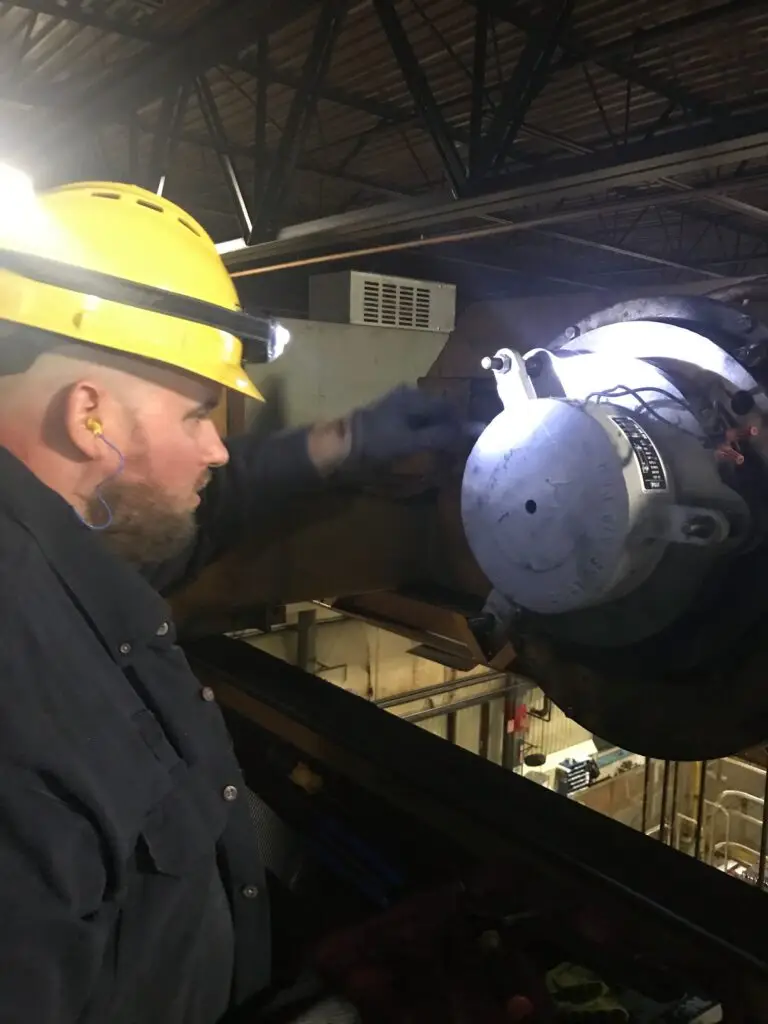
We evaluate how each crane and hoist is actually performing in your environment and where problems are most likely to develop next. We look for early signs of wear, fatigue, and risk that often go unnoticed until they cause downtime.
Just as important, we explain what we find clearly. Nothing gets buried in technical language or lost in a report that never gets used.
The goal is simple. Help you stay compliant and stay ahead.
What Changes When Inspections Are Done Right
Clients who work with us typically see clear, practical improvements over time:
- Unexpected crane and hoist failures become rare
- Emergency calls outside normal hours stop happening
- Inspection reports are read, understood, and acted on
- Leadership stops asking what is going on with the cranes
- More time is spent improving operations instead of putting out fires
The workday becomes more predictable. Confidence replaces anxiety.
Who This Service Is For
This service is a good fit if you:
- Operate overhead cranes and hoists in industrial, high use environments
- Want a long term inspection partner, not a one time checkbox
- Care about safety, reliability, and credibility with leadership
This service is not a fit if you:
- Only want a single inspection to satisfy a requirement
- Are looking only for emergency response work
- Are shopping strictly on lowest price
- Operate small portable hoists in non industrial settings
Our best results come from long term partnerships where inspections are part of a broader reliability strategy.
Frequently Asked Questions
How is your inspection different from a standard crane or OSHA inspection?
Most inspections focus on minimum compliance. Our inspections look beyond baseline requirements to evaluate real world performance and identify early warning signs that often lead to unplanned downtime. We focus on helping you prevent problems, not just document them.
Is this a one time inspection or an ongoing program?
This service is designed for ongoing inspection programs. While an initial inspection can stand on its own, the real value comes from consistency over time. Tracking wear trends and addressing risks early is what helps prevent surprises.
What types of cranes and facilities do you typically work with?
We primarily work with industrial facilities operating overhead cranes and hoists in demanding production environments. Manufacturing plants, processing facilities, and similar operations are a strong fit. Small portable hoists and non industrial settings are not our focus.
What happens after the inspection is completed?
You receive a clear, actionable inspection report that explains what we found, why it matters, and what should be addressed first. We review the findings with you so nothing is misunderstood or ignored and you have a clear path forward.
How do your reports help with audits and leadership reviews?
Our documentation is structured to support compliance, internal reviews, and external audits. Findings are clearly explained and prioritized so it is easy to show that risks are being actively managed, not just documented.
Will this actually help prevent unexpected breakdowns?
No inspection can prevent every failure. However, by identifying early signs of wear and risk and addressing them proactively, most clients experience fewer unplanned outages, fewer emergency calls, and more predictable crane performance.
Are your inspections compliant with OSHA and ASME standards?
Yes. Our overhead crane and hoist inspections are performed in accordance with applicable OSHA regulations and relevant ASME B30 series standards, including OSHA 29 CFR 1910.179 and applicable ASME B30 requirements for cranes, hoists, hooks, wire rope, and below the hook devices.
Compliance is built into our process and documentation. We then go further by identifying risks that minimum standards alone often do not catch, helping you stay compliant and stay ahead.
The Next Step
If you want to reduce surprise failures, protect your credibility, and bring predictability back to crane performance, the next step is a conversation.
We will review your current inspection approach, discuss how your equipment is used, and determine whether a long term inspection partnership makes sense for your operation.