
Parts Sourcing and Replacement Services
The right crane and hoist parts, when you need them, without guesswork
When a crane or hoist needs parts, the risk is not just downtime. The real risk is installing the wrong part, waiting too long for delivery, or fixing the symptom instead of the problem.
Our parts sourcing and replacement services are designed to remove uncertainty from the process. We help maintenance teams get the correct parts, replace them properly, and avoid repeat failures caused by mismatched or rushed decisions.
Why Parts Become a Problem
Parts issues usually show up under pressure.
A crane is down and production wants it back online fast. A component has failed unexpectedly. A lead time is longer than expected. The wrong part shows up and everything stalls.
That is when mistakes happen.
Wrong specifications. Temporary fixes. Replacing one component while a related issue goes unaddressed. The crane runs again, but not for long.
The stress is not just about finding parts. It is about trusting that the repair will hold.
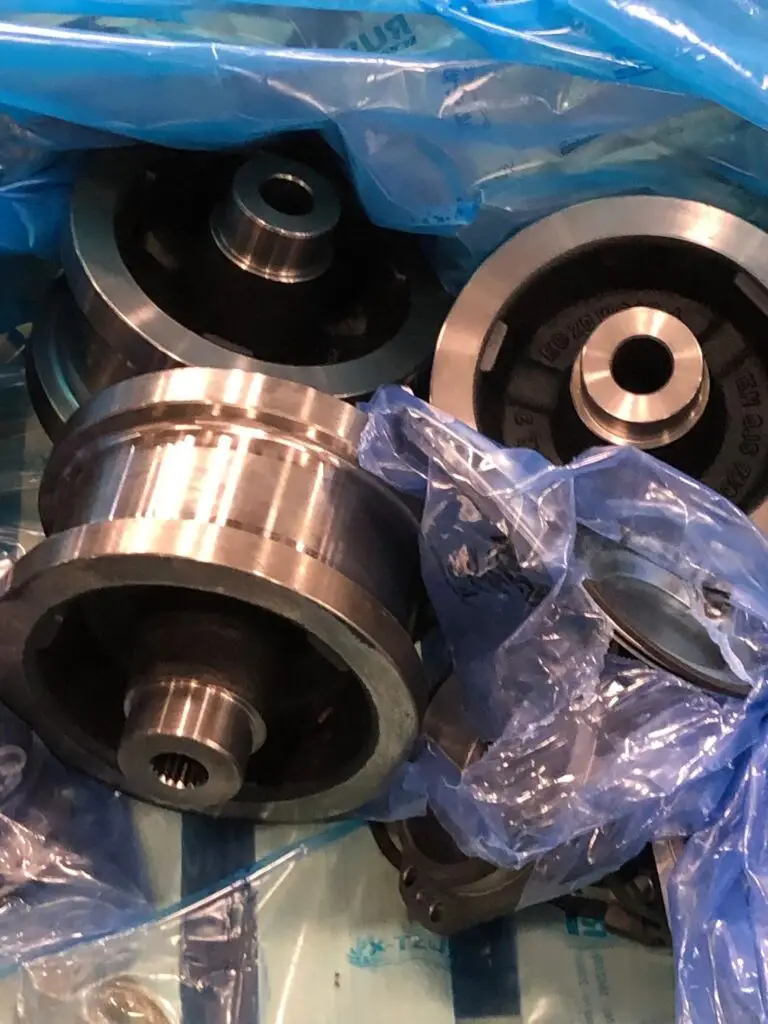
What You Are Really Trying to Avoid
You are not just trying to order replacement components.
You are trying to:
Avoid installing incorrect or incompatible parts
Reduce downtime caused by delays or wrong shipments
Prevent repeat failures tied to improper replacements
Protect safety and equipment integrity
Restore production with confidence
Good parts sourcing supports reliability. Bad parts sourcing creates recurring problems.
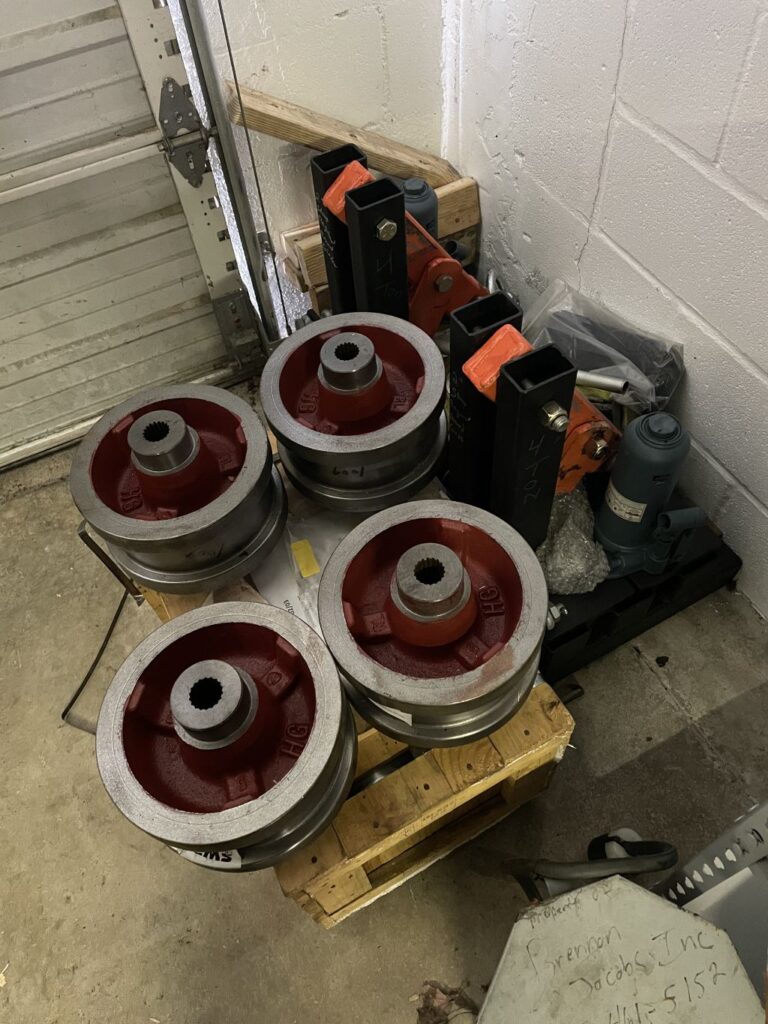
How Our Parts Sourcing Approach Is Different
We do not treat parts as standalone items.
When sourcing crane or hoist parts, we focus on:
- Correct identification of the failed component
- Verification of specifications and compatibility
- Understanding why the part failed, not just what failed
- Coordinating sourcing with proper replacement and adjustment
Parts are selected to match the application and operating conditions, not just the part number. When replacement is performed, it is done with attention to the surrounding components so the repair does not create the next failure.
The goal is a fix that lasts.
From Parts Replacement to Fewer Repeat Issues
When parts sourcing and replacement are handled correctly:
- Downtime caused by wrong parts disappears
- Emergency rework becomes less common
- Repairs last longer and perform better
- Maintenance confidence improves
- Equipment behavior becomes more predictable
Over time, parts replacement shifts from a constant scramble to a controlled process.
Who This Service Is For
This service is a good fit if you:
- Maintain overhead cranes and hoists in industrial environments
- Want confidence that replacement parts are correct and reliable
- Prefer fewer repeat failures and callbacks
- Value clear communication around parts and lead times
This service is not a fit if you:
- Only want the cheapest available part
- Are looking for temporary or stopgap fixes
- Operate small portable lifting equipment in non industrial settings
We work best with teams that value correct repairs over quick shortcuts.
Frequently Asked Questions
What types of crane and hoist parts do you source?
We source a wide range of crane and hoist components, including mechanical, electrical, and load handling parts. Each request is evaluated to ensure the part matches the equipment, application, and operating conditions.
How do you make sure the correct part is ordered?
We verify equipment details, specifications, and failure conditions before sourcing parts. This reduces the risk of incorrect or incompatible replacements that lead to delays or repeat issues.
Can you install the parts as well?
Yes. Parts sourcing often works best when combined with proper installation and adjustment. This helps ensure the replacement solves the problem rather than introducing a new one.
What if the original part is obsolete or hard to find?
When parts are obsolete or difficult to source, we help evaluate suitable alternatives or replacement options that maintain safety, performance, and compatibility.
How does this support safety and compliance?
Using correct replacement parts and proper installation helps ensure cranes and hoists continue to operate safely and in alignment with applicable OSHA regulations and ASME B30 series standards.
Can parts replacement be coordinated with inspections or repairs?
Yes. Parts sourcing is often coordinated with inspections, repairs, or preventive maintenance to address issues proactively and reduce downtime.
What is the first step if we need parts?
The first step is a conversation. We gather details about the equipment, issue, and urgency to determine the best sourcing and replacement approach.
The Next Step
If a crane or hoist needs parts and you want the replacement done right the first time, the next step is a conversation.
We will review the situation, confirm requirements, and determine the best path to restore reliability and reduce future risk.