
Key Takeaways
- Wire rope can develop internal damage invisible to standard visual inspection.
- Magnetic Rope Testing (MRT) detects internal and external discontinuities via changes in the rope’s magnetic field.
- Broken wires, internal corrosion, loss of metallic area, and internal wear reduce rope strength and serviceability.
- MRT provides added inspection data to guide repair-versus-replacement decisions.
- Regular inspections catch developing defects before they become serious.
Every overhead crane and hoist depends on one component that carries the entire load: the wire rope. However, your wire rope can look perfectly fine on the outside and still be failing on the inside. While visual inspections remain valuable, they cannot identify every form of hidden damage.
Magnetic rope testing (MRT) is a nondestructive inspection method used to assess the internal and external condition of ferromagnetic wire ropes. This article covers the specific internal defects that MRT can identify and explains why those defects are so difficult to detect through visual inspection alone.
Defect #1: Internal Broken Wires
Individual wires can snap deep inside a rope, in spots that never reach the outer surface. Bending fatigue, high cycle counts, and stress concentrations cause wires to fracture within the core or inner strands long before anything shows up on the outside. Because these breaks stay hidden, a visual inspection can easily pass a wire rope that’s already carrying serious damage.
Every broken wire chips away at the rope’s metallic cross-sectional area and changes its overall condition. That’s where MRT wire rope inspection shines. It helps you identify magnetic flux changes linked to these fractures, flagging localized faults at specific points along the rope. From there, qualified overhead crane inspectors read those signals, since raw magnetic data needs trained eyes to tell genuine defects from harmless quirks.
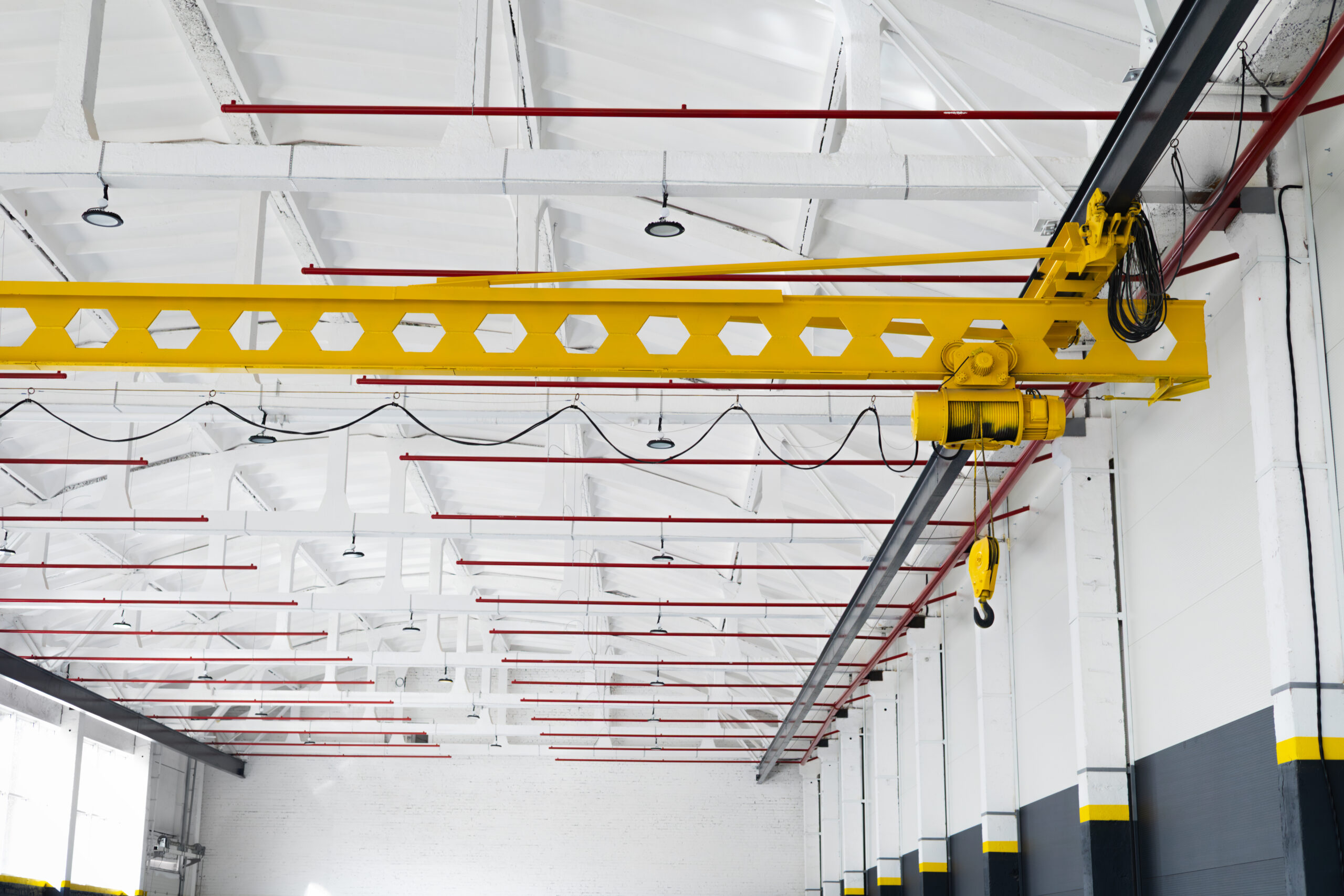
Defect #2: Internal Corrosion
Corrosion can take hold between strands and deep in the core, where moisture pools and lubricant breaks down over time. This internal metal loss rarely shows on the outside until things get much worse, which is what makes it hard to catch with a simple visual check. It’s also the reason why OSHA recommends thorough and professional inspections every few months.
As corrosion spreads, it eats away at the rope’s metallic area and weakens its load-carrying capacity. However, magnetic rope testing helps you pinpoint regions of internal metal loss by reading changes across the full cross-section. And a few operating and environmental conditions can speed corrosion along:
- Exposure to moisture, humidity, or washdown water
- Contact with corrosive chemicals or salt
- High heat that degrades protective lubricant
- Long idle periods that let condensation build up inside the strands
If your facility deals with any of these, more frequent testing really pays off—internal corrosion moves faster than the surface ever lets on.
Keep Your Cranes Compliant and Your Crew Safe.
Defect #3: Loss of Metallic Area (LMA)
Loss of Metallic Area, or LMA, is a gradual thinning of the steel cross-section in a rope. It can come from corrosion, abrasion, wear, or several kinds of deterioration teaming up at once. Unlike a single broken wire at one spot, LMA spreads out along a length of rope, quietly chipping away at its strength.
When you’re sizing up wire rope conditions, both the amount and the location of metal loss matter because a concentrated loss in one section is riskier than the same loss spread evenly. An MRT wire rope testing instrument detects and records changes along the whole rope, producing a trace that maps exactly where the cross-section thins. From there, those findings should be measured against applicable inspection and retirement criteria before anyone makes a service call.
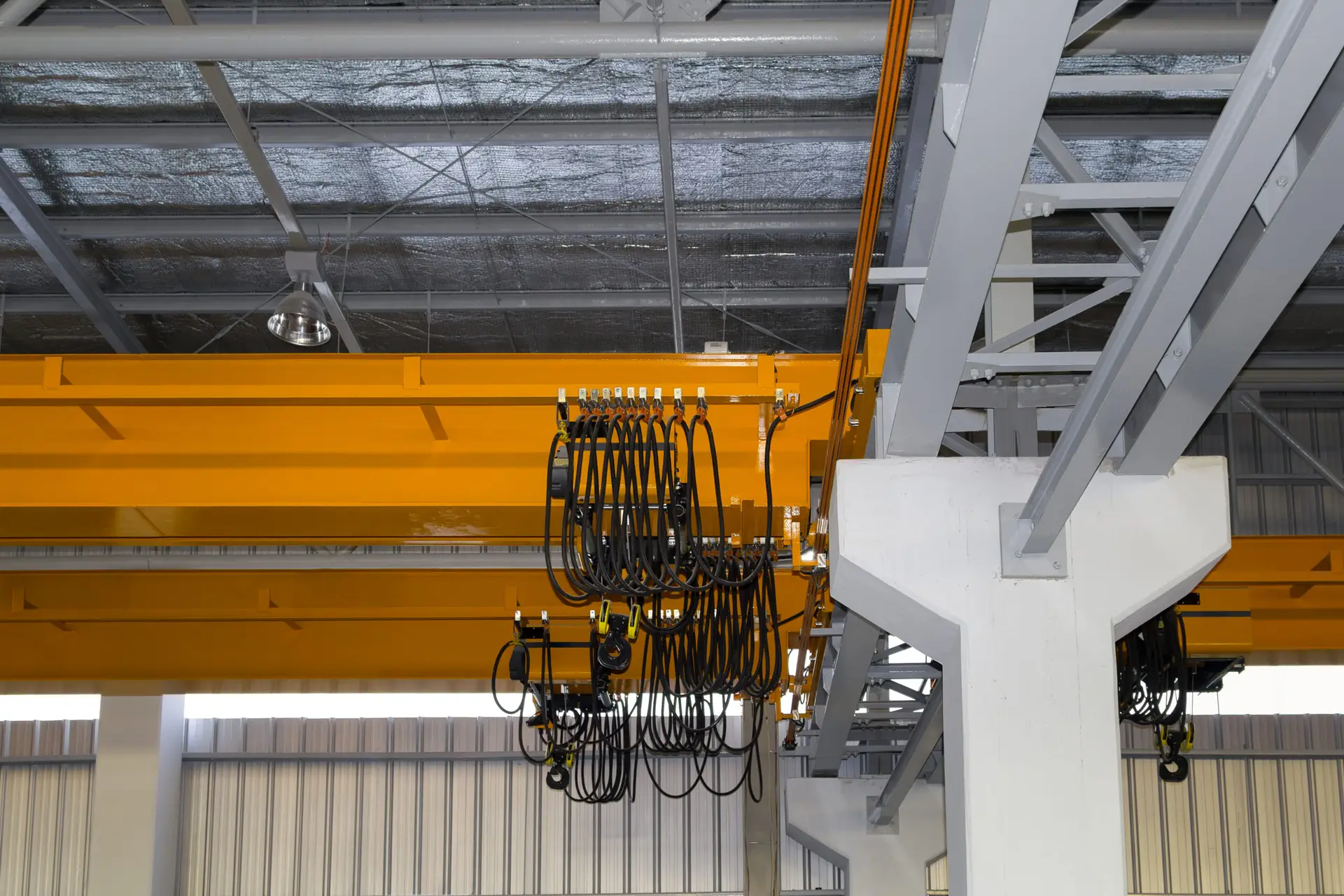
Defect #4: Internal Wear and Abrasion
Every time a rope flexes under load, the wires and strands rub against each other, and that constant movement creates internal wear. Contact with sheaves, drums, and other components piles on even more, grinding metal away where wires cross inside the rope body. The tricky part? A lot of this wear never shows on the outer surface, since the exterior can look reasonably intact while inner wires quietly thin and fret.
A wire rope MRT inspection fills in the blanks, revealing internal metal loss and discontinuities that surface checks simply can’t. Pairing magnetic data with visual and operational inspections gives maintenance teams the fullest picture of rope health. No single method catches everything, so teaming MRT up with routine visual exams closes the gap where internal wear likes to hide.
Defect #5: Localized Internal Damage
Sometimes deterioration doesn’t spread out; it concentrates in one troublesome spot. Localized wire rope defects can develop from repeated loading, bending, crushing, or tough operating conditions that hammer the same section over and over. What makes these so sneaky is that the damage often forms beneath the outer strands, where it stays hidden while the surface looks perfectly fine.
Fast, Reliable Repairs When You Need Them Most.
Here’s where MRT wire rope inspection works best. It tracks changes in magnetic flux connected to wire rope discontinuities, flagging exactly where trouble is brewing. Pinpointing that location really matters because knowing where internal wire rope damage sits helps you decide whether a section needs further assessment or full replacement. With magnetic rope testing, you’re acting on solid information.
Defect #6: Internal Distortion or Strand Damage
When a wire rope gets distorted, it’s not just the outside that suffers. The arrangement and condition of the internal wires and strands can shift too. Think localized deformation, strand disturbance, or damage from improper spooling and rough operating conditions. These issues throw off how the rope was designed to carry load. But more importantly, some of that internal wire rope distortion may not be fully obvious from an external once-over.
That’s where MRT inspection lends a hand, offering extra data you can weigh right alongside your visual findings. By pairing the two, your maintenance teams get a clearer read on wire rope strand damage and other defects so nothing slips past.
What Happens During an MRT Wire Rope Inspection?
During the inspection, the wire rope passes through or alongside a magnetic inspection device, which magnetizes the rope as it goes. From there, built-in sensors watch for changes in the magnetic field, which are telltale signs of discontinuities or shifts in metallic area.
The equipment records these findings along the entire length of the rope, creating a trace you can review afterward. Those results then point overhead crane inspectors toward the spots needing a closer look, making wire rope MRT testing a smart complement to any inspection and maintenance program.
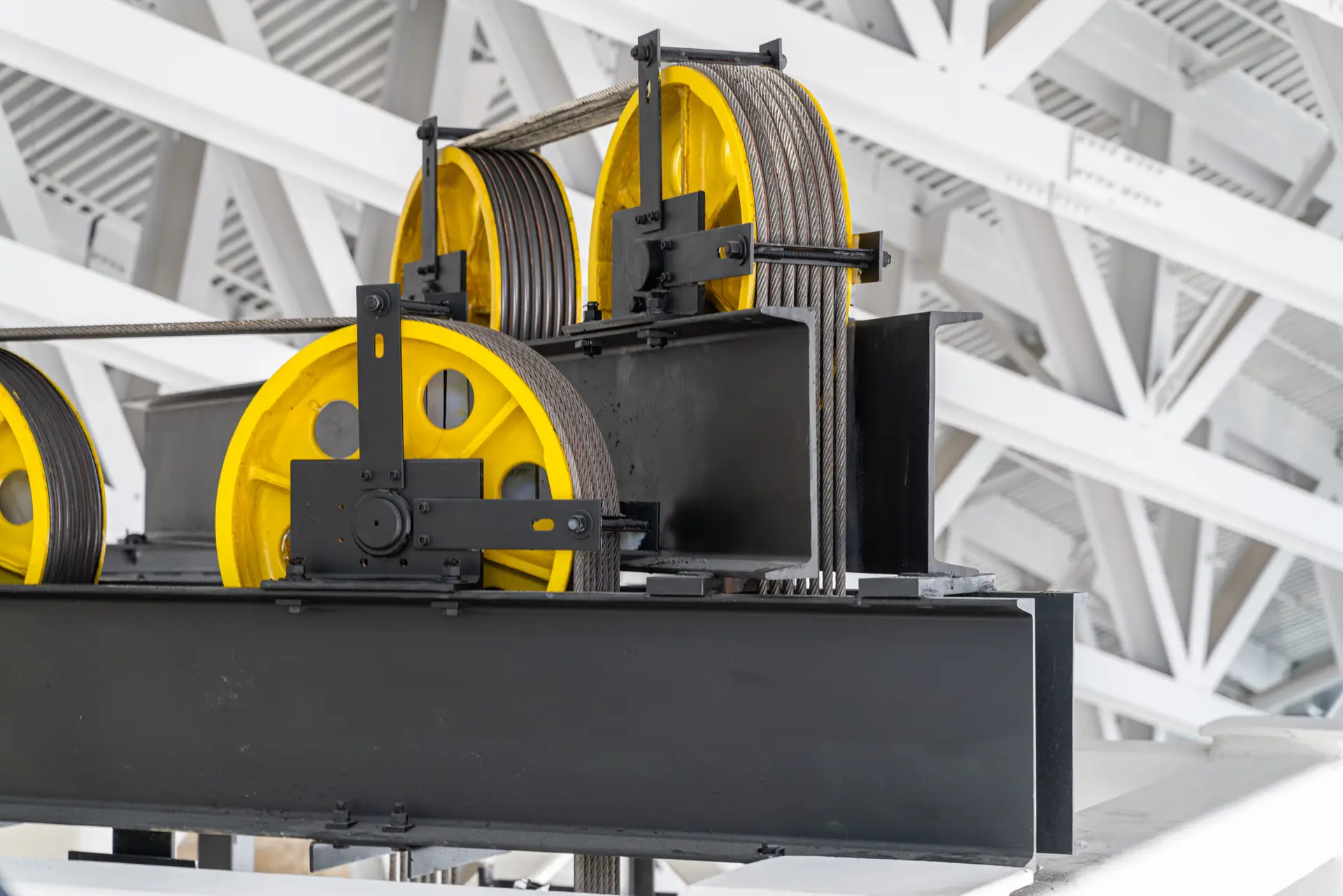
What Happens After the Inspection
The value of MRT wire rope inspection comes down to what you do with the results. A solid report usually spells out defect locations, loss-of-metallic-area percentages, broken wire counts, and a clear recommendation. Armed with that, your maintenance teams can:
- Keep the rope in service with a defined re-inspection date
- Schedule a rope replacement during planned downtime
- Dig into the root cause of accelerated wear (think poor lubrication or sheave misalignment)
- Fine-tune your preventive maintenance program to tackle recurring issues
Protect Your Ropes: Make MRT Part of Your Inspection Routine
Here’s the bottom line: a wire rope can look perfectly healthy on the outside while trouble builds within. Magnetic rope testing shines a light on the defects visual checks tend to miss, such as internal broken wires, corrosion, loss of metallic area, internal wear, and localized damage hiding beneath the surface. That’s a huge advantage when the whole load rides on a single rope.
The smartest approach? Don’t treat MRT as a replacement for routine visual inspections; combine the two. Together, they give you the most complete, confident read on your wire rope’s condition and help you act before small issues turn serious.
Ready to put this into practice? Brennan Jacobs can help you build MRT into a reliable, proactive maintenance program so your equipment stays safe, compliant, and running strong. We bring over 10 years of dedicated overhead crane and hoist service experience working with manufacturers, warehouses, and heavy industry.
Contact us today to schedule an overhead crane inspection at your facility.
Quality Crane & Hoist Parts Ready to Ship.
Frequently Asked Questions (FAQs)
Magnetic Rope Testing (MRT) is a nondestructive method used to check the condition of wire ropes. It uses a magnetic field to find broken wires, corrosion, metal loss, and other damage inside and outside the rope.
MRT can detect broken wires, internal corrosion, Loss of Metallic Area (LMA), internal wear, and other damage that may not be visible from the outside.
Yes. MRT can find broken wires inside the rope that may not be visible during a visual inspection.
Yes. MRT can identify areas of metal loss caused by corrosion inside the rope, including damage between strands and in the rope core.
LMA is the loss of steel in a wire rope’s cross-section. It can be caused by corrosion, wear, abrasion, or broken wires. MRT can identify areas where metal has been lost.
A visual inspection checks for damage that can be seen on the rope’s surface. MRT can find certain internal damage and metal loss that may not be visible from the outside. Both methods can be used together.
MRT may be needed when a rope has been in service for a long time, is used often, or operates in conditions that can cause wear or corrosion. The inspection schedule should also follow applicable requirements.
There is no set schedule for every wire rope. Testing frequency depends on the rope, how often it is used, operating conditions, and its inspection history. A qualified inspector can recommend a suitable testing schedule.
Author:
Victor Crawford is the President and CFO of Brennan Jacobs Inc., a company he founded in 2010. He has 42 years of industrial machine maintenance experience, including 30 years focused on overhead cranes and hoists. Before starting his own company, he worked at Konecranes for many years, earning the title of Master Technician and later working as a salesman and Branch Manager, opening offices in Plant City, Miami, Jacksonville, Memphis, Little Rock, and Nashville. He holds a degree in Industrial Controls Engineering from Tampa Technical Institute and is a Journeyman Millwright.