
Key Takeaways
- There is no universal interval for wire rope MRT inspections. Frequency depends on your usage, operating conditions, load cycles, environment, and rope condition.
- Regular visual checks and other required inspections continue between MRT examinations. They work together rather than replacing one another.
- MRT inspections may be scheduled periodically or triggered when signs suggest that closer testing is warranted.
- Always measure inspection findings against applicable standards, manufacturer guidance, and site requirements.
- A documented wire rope testing schedule helps your maintenance teams track rope condition over time and plan replacements with evidence.
Wire ropes on overhead cranes and hoists face repeated loading, bending, abrasion, corrosion, and other operating stresses during normal service. Because those forces act on the rope every shift, its condition changes gradually. In other words, part of the wire rope that looked sound last quarter may show hidden deterioration today. Regular MRT inspection helps you catch that change early.
Magnetic Rope Testing, commonly shortened to MRT, is a nondestructive inspection method. This non-destructive method gives you a clear picture of both the internal and external condition of your wire rope, catching issues that a visual check alone might miss.
But the question is: how frequently should MRT inspections happen? There’s no universal MRT schedule that applies to every overhead crane, wire rope, or facility. The right frequency depends on your specific application.
Let’s walk you through the factors that determine your wire rope inspection schedule.
Is There a Standard Frequency for Wire Rope MRT Inspections?
You might be hoping for a simple answer here, like “test every six months” or “test once a year.” Unfortunately, there’s no universal wire rope inspection schedule. That’s actually a good thing because a one-size-fits-all rule wouldn’t account for how differently your wire ropes are used than someone else’s.
Different standards, regulations, manufacturer recommendations, and internal site programs can all set different expectations for wire rope testing frequency.
For example, OSHA’s 29 CFR 1910.179 governs rope inspection on overhead and gantry cranes, while 29 CFR 1926.1413 sets separate wire rope criteria for construction. Industry standards like ASME B30.2 (overhead cranes) spell out inspection procedures and rejection criteria in more technical detail.
While these provide a strong framework, they still leave room to tailor magnetic rope testing frequency based on your equipment, local regulations, manufacturer recommendations, and your own preventive maintenance program.
That said, wire rope inspection schedules typically involve:
- Routine Visual Inspections: Quick daily or shift checks by your operators looking for obvious damage before use.
- Periodic Inspections: Scheduled, detailed reviews performed by a qualified overhead crane inspector who records findings against removal criteria.
- Specialized Nondestructive Testing: Professional MRT examinations that read your wire rope’s internal condition along its full length.
Whatever wire rope inspection you follow, document the reasoning behind it. This written account shows why you set the schedule, helps you prepare for OSHA inspections (for compliance reviews), and gives the next technician a clear starting point when conditions change.
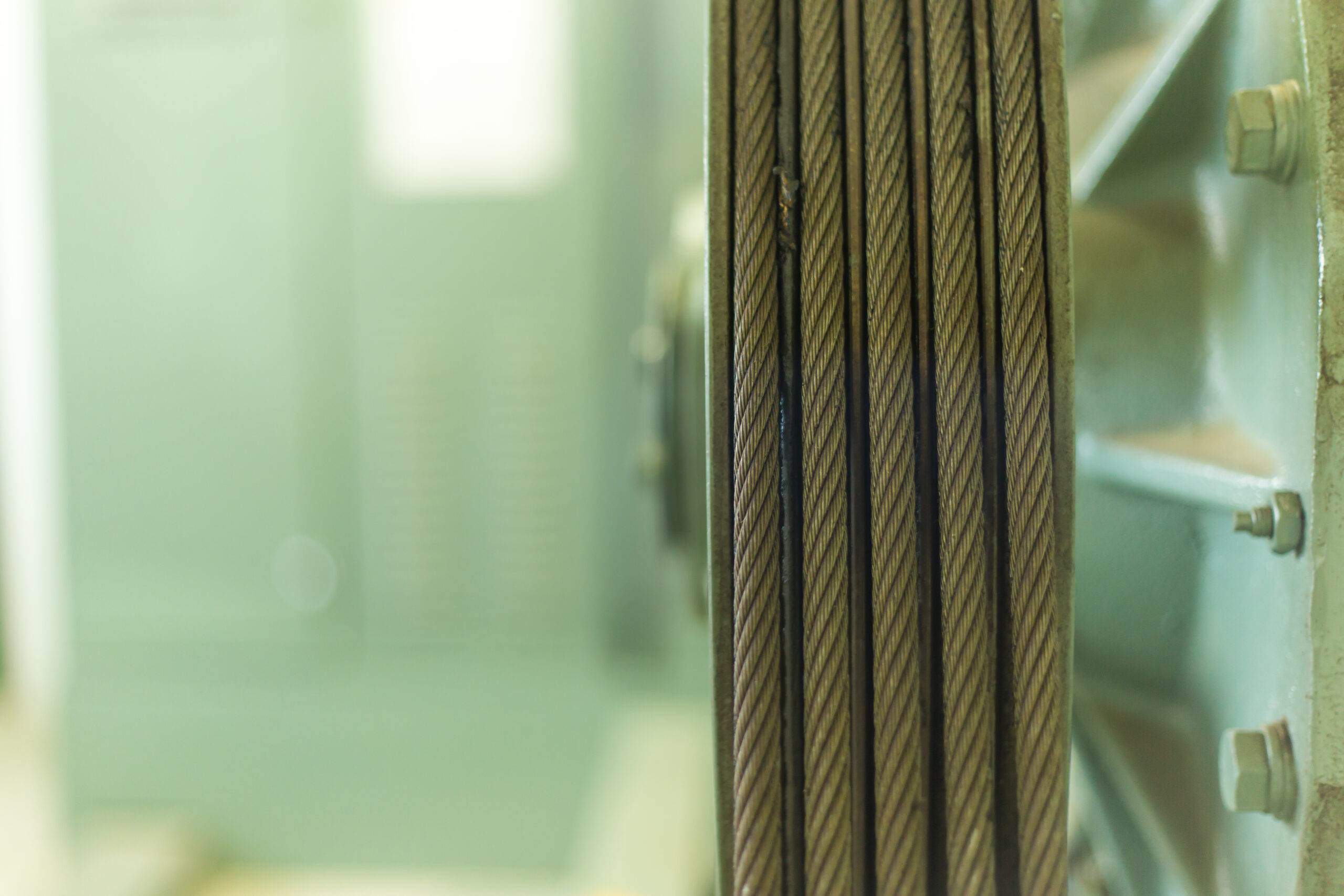
Factors That Determine How Often You Should Perform MRT Inspections
When you’re deciding how often to schedule wire rope testing, think through these five factors:
- Operating Frequency: The more often an overhead crane or hoist runs, the more loading and bending cycles the wire rope endures. Equipment that runs multiple shifts generally needs more frequent testing.
- Load and Duty: Heavy or frequent lifting puts more strain on the wire rope, which often warrants frequent inspection intervals.
- Environmental Conditions: Moisture, chemicals, heat, dust, and salt speed up deterioration. If your wire rope gets exposed to wash-downs, acid fumes, or coastal air, it deserves extra attention.
- Rope Age and Condition: Older ropes, or ropes already showing wear, benefit from more frequent assessment.
- Previous Inspection Findings: Past MRT and visual results are one of your best guides for timing the next overhead crane wire rope inspection.
Weighing these factors together gives you a far more accurate picture than any generic wire rope maintenance schedule ever would.
Keep Your Cranes Compliant and Your Crew Safe.
When Should You Consider an MRT Inspection?
Beyond your scheduled intervals, certain situations will call for magnetic rope testing sooner. Consider scheduling MRT when:
- The rope has been in service for an extended period.
- The rope operates under frequent or demanding conditions.
- You notice corrosion, wear, broken wires, or other visible deterioration.
- A visual inspection raises concerns about what might be happening inside the rope.
- The equipment has experienced unusual loading or operating conditions.
- Previous inspection results flagged areas that need continued monitoring.
- The rope is approaching a point where its condition warrants a more detailed assessment.
If any of these sound familiar, treating an MRT wire rope inspection as a proactive step is a smart, safety-first move.

How Often Should High-Use or Critical Wire Ropes Be Tested?
Some wire ropes carry more responsibility than others. If a rope is used constantly, or if it’s part of a critical lifting application where a failure would be especially serious, it deserves more immediate inspection planning.
Higher operating cycles increase exposure to fatigue, wear, and other forms of deterioration. When a wire rope cycles all day, every day, it ages faster than one that lifts occasionally, even if they look the same from outside.
That said, resist the urge to default to a generic annual schedule for these ropes. Set your MRT testing frequency based on applicable requirements and your specific operating environment.
Historical inspection results are especially valuable as they help you decide whether to hold your current interval steady or tighten it. That said, MRT is one part of your overall overhead crane inspection program. It should work alongside your routine and periodic overhead crane checks.
Fast, Reliable Repairs When You Need Them Most.
How to Build a Wire Rope MRT Inspection Schedule
Here’s a simple, repeatable process your maintenance team can follow:
Step 1: Review the Equipment and Rope
Identify your crane or hoist, the rope type, its application, duty level, and operating conditions.
Step 2: Review Applicable Requirements
Check the relevant standards, regulations, manufacturer recommendations, and your site’s own requirements.
Step 3: Review Previous Inspection Results
Look back at your visual inspections, past MRT results, any repairs made, and your rope replacement history.
Step 4: Identify Higher Risk Conditions
Consider heavy use, harsh environments, unusual loading events, or any previous signs of rope deterioration.
Step 5: Set the Inspection Interval
Establish a schedule based on your equipment’s specific requirements and its documented condition, not a generic industry average.
Step 6: Track Results over Time
Maintain detailed inspection records so you can identify changes in rope condition between examinations and adjust your schedule as needed.
Follow these steps, and you’ll have an MRT inspection schedule that’s defensible, practical, and genuinely customized to your equipment.
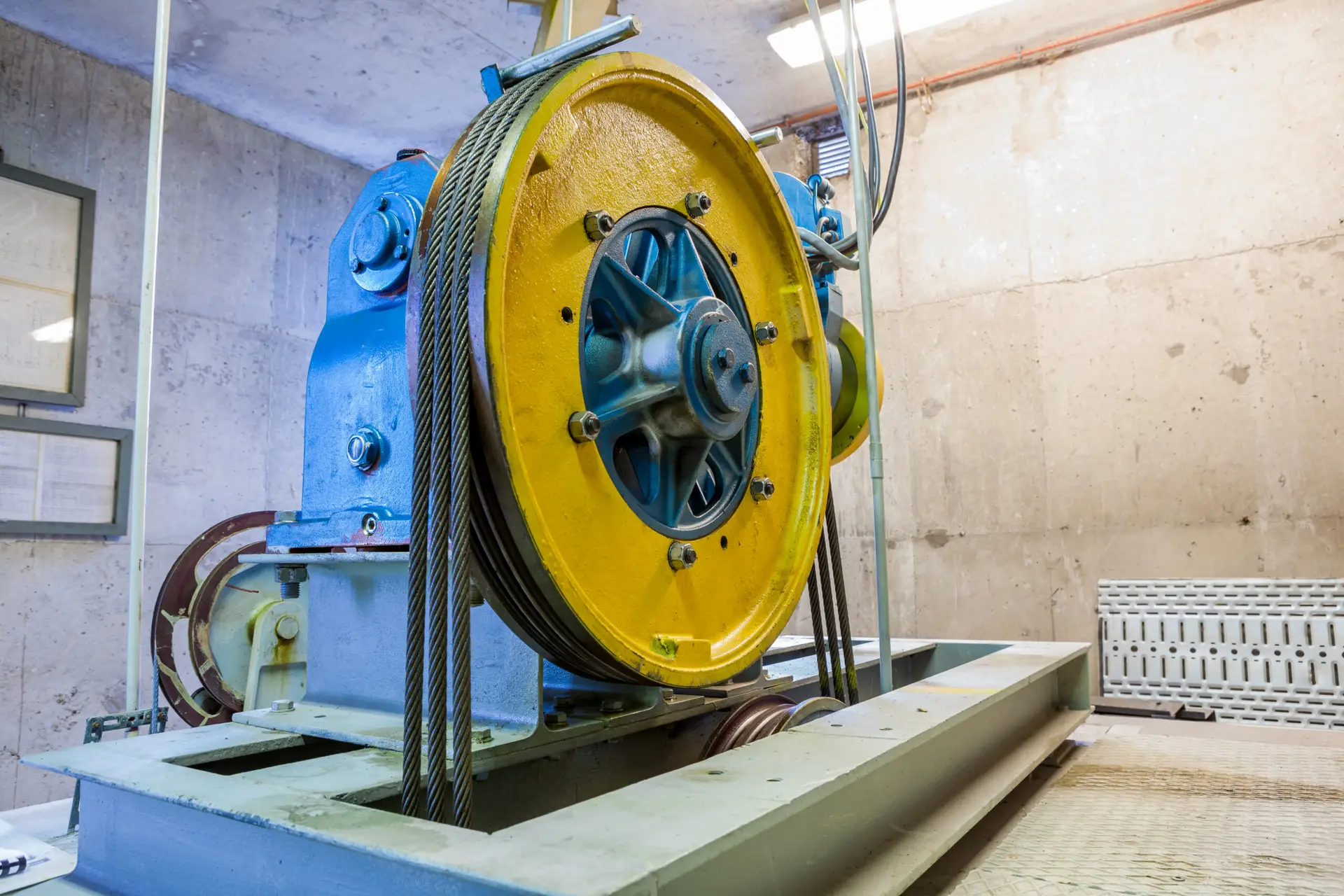
Build a Schedule That Protects Your People and Your Equipment
At the end of the day, your MRT inspection frequency should reflect your rope’s real-world application, operating conditions, current condition, inspection history, and applicable requirements. It’s the best way to avoid any gaps in your overall overhead crane maintenance program. And it’s worth repeating that MRT testing should complement your regular visual inspections, never replace them.
Documenting inspection schedules and what you did (repairs and replacements) protects your equipment, team, and bottom line over the long run. That becomes even easier with a professional like Brennan Jacobs on your side. With over 10 years of experience in overhead crane applications, we provide parts sourcing and documented inspection services, including wire rope testing, across industries.
If you’d like a hand building or reviewing your program, contact us today.
Quality Crane & Hoist Parts Ready to Ship.
Frequently Asked Questions (FAQs)
There’s no universal interval. Wire rope testing frequency depends on your rope usage, operating conditions, environment, age, and inspection history, along with applicable standards and manufacturer guidance.
Not always. Requirements vary by equipment, application, and governing standards, but MRT is especially valuable for high-use or critical ropes.
Operating frequency, load and duty, environmental conditions, rope age and condition, and previous inspection findings all play a role.
No, MRT testing complements routine visual and periodic inspections. It doesn’t replace them.
Consider MRT when a rope has long service, demanding use, visible deterioration, unusual loading, or prior findings that need monitoring.
Often, yes. Older ropes and those showing wear typically benefit from more frequent assessment.
Yes, higher operating cycles increase fatigue and wear, which usually calls for closer inspection planning.
MRT reads both internal and external rope condition along the full length, catching hidden broken wires and corrosion.
It varies with rope length, equipment access, and conditions. So, we recommend confirming the timing with your inspection provider.
Findings are typically evaluated against removal criteria in applicable standards. Depending on severity, the rope may need increased monitoring or replacement.
Author:
Victor Crawford is the President and CFO of Brennan Jacobs Inc., a company he founded in 2010. He has 42 years of industrial machine maintenance experience, including 30 years focused on overhead cranes and hoists. Before starting his own company, he worked at Konecranes for many years, earning the title of Master Technician and later working as a salesman and Branch Manager, opening offices in Plant City, Miami, Jacksonville, Memphis, Little Rock, and Nashville. He holds a degree in Industrial Controls Engineering from Tampa Technical Institute and is a Journeyman Millwright.