
Key Takeaways
- Watch for unusual noises, jerky movement, and brake performance changes during crane operation.
- Inspect wire ropes, chains, hooks, and lifting components regularly for wear or damage.
- Address electrical problems, structural damage, and excessive vibration before they lead to larger failures.
- Document operator concerns and remove the overhead crane from service if safe operation is uncertain.
- Schedule a professional overhead crane inspection as soon as warning signs appear.
- Routine overhead crane maintenance helps reduce downtime, improve safety, extend the life of your industrial lifting equipment, and keep your operation running efficiently.
During every shift, the overhead crane lifts, carries, and lowers loads that keep your production moving. It’s easy to treat that performance as a given until the day it isn’t. A strange sound here, a slight hesitation there, and before long, seemingly small issues become the kind of problem that shuts down a line or puts someone on your team at risk.
On average, 42 to 44 crane-related deaths occur annually in the US, which are typically caused by catastrophic failures. That said, most of these crane failures don’t happen out of nowhere. They’re preceded by warning signs that get brushed off as “normal wear” until it’s too late.
This guide walks you through the signs that call for an overhead crane inspection right away, not next month. Whether you’re a facility manager, a maintenance supervisor, or the operator running the controls every day, knowing what to watch for protects your people, industrial lifting equipment, and production schedule.
Recognizing these signs early is one of the simplest ways to stay on top of overhead crane safety and avoid the kind of surprise breakdown that costs far more than a routine check would have.
1. Unusual Noises During Operation
Every overhead crane has a normal operating sound, and you know it well. So when grinding, squealing, clicking, or knocking noises show up during lifting or travel, that could be a sign of potential overhead crane issues.
Whether it’s a shift in motor tone, a new whine from the gearbox, or a grinding sound when the brakes engage, these overhead crane noise problems will not resolve themselves. Typically, these noises point to worn bearings, loosening components, or, at the very least, demand immediate overhead crane brake inspection.
If the gearbox sounds different from how it did last month, it may be due to internal wear that will only get worse under continued load. The longer you ignore these sounds, the more likely they are to turn into costly overhead crane issues. If something sounds off, treat it immediately.
2. Jerky, Uneven, or Delayed Movements
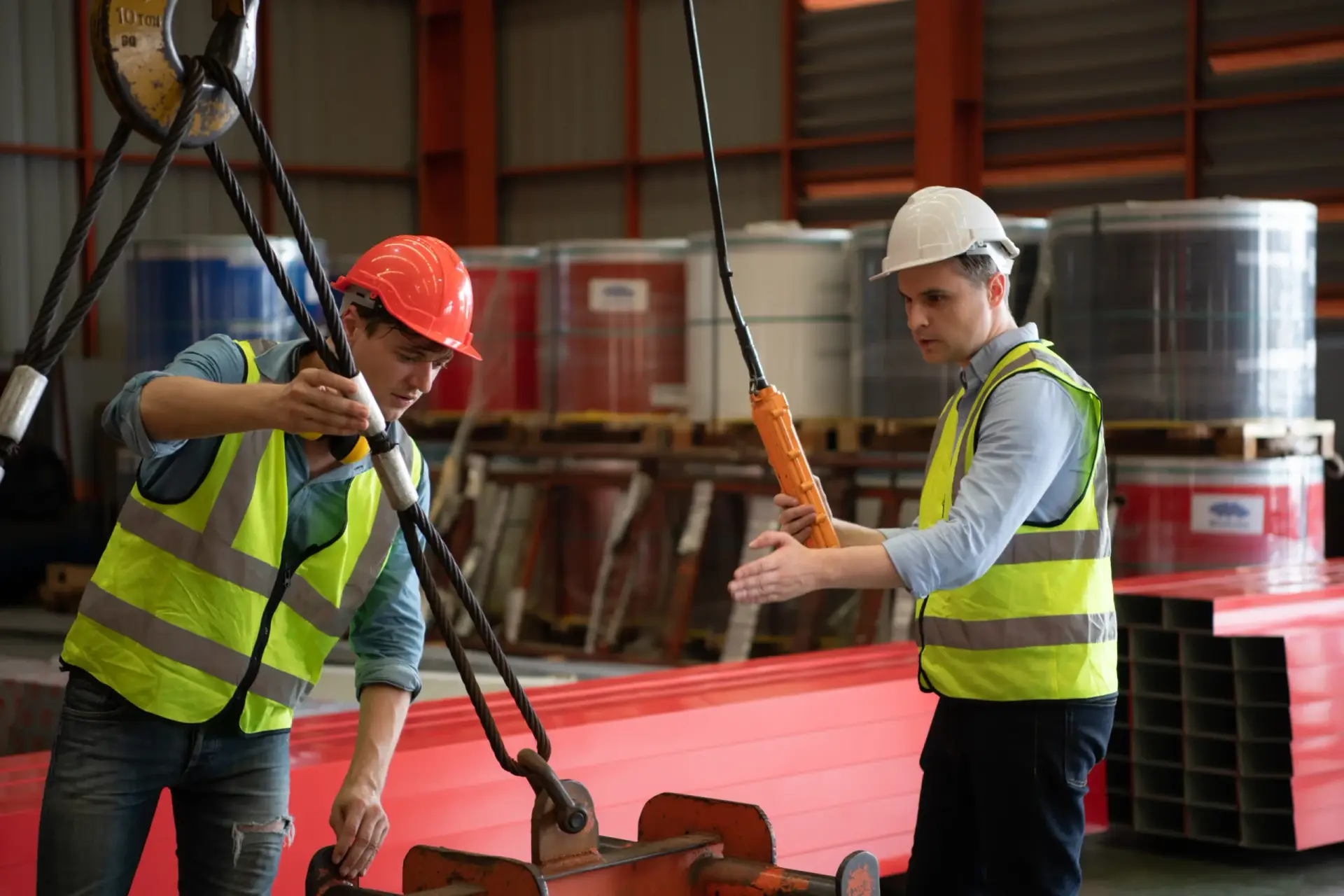
An overhead crane should move smoothly and respond consistently to operator controls. If lifting becomes jerky, lowering feels delayed, or bridge and trolley travel becomes uneven, your equipment is sending a warning.
Uneven trolley or bridge travel, along with reduced responsiveness to operator input, often points to trouble in the electrical system, the drive components, or the mechanical linkages that keep everything moving in sync.
Don’t chalk up this crane movement problem as “just how it runs now.” Load control depends on precise, predictable movement, and hoist issues that affect responsiveness put both your equipment and the people working nearby at risk.
Overhead crane operators are often the first to notice when something feels off, so encourage your team to report performance changes as soon as they happen. Quick reporting keeps your overhead crane troubleshooting efforts precise and cost-effective.
3. Visible Wire Rope or Chain Damage
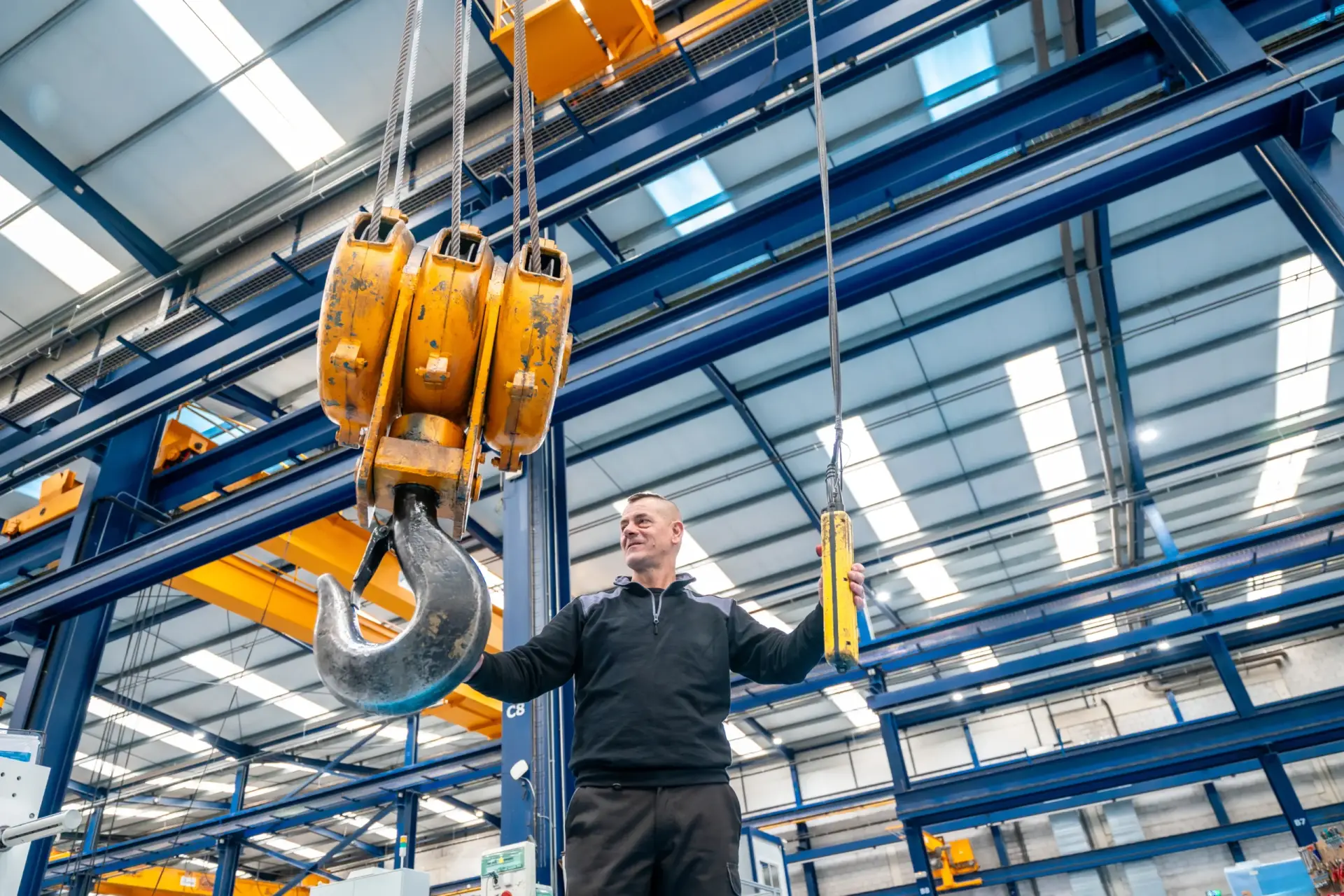
Wire rope and chain hold the load between the hook and the hoist, which makes them some of the most important parts to check regularly. Regular wire rope inspection helps you identify and address issues like frayed strands, corrosion, kinking, crushing, or stretching. Chains tell a similar story through wear, deformation, or damaged links.
Make a thorough wire rope inspection part of your routine maintenance checklist. It should not be reserved only for annual reviews. Overhead crane chain wear tends to progress gradually, which is exactly why it’s easy to miss until a failure occurs mid-lift.
Any sign of damage you find during a routine lifting equipment inspection warrants immediate attention, and in some cases, removal from service until a qualified inspector can assess the extent of the wear. This is one area where waiting simply isn’t worth the risk.
4. Brake Performance Issues
Braking is where overhead crane safety and load control come together, so anything unusual happening here deserves immediate attention. Load drift after a lift, delayed stopping, or brakes that slip under load are all signs pointing to overhead crane brake problems.
These issues can stem from normal wear, contamination from oil or debris, or brakes that simply need readjustment. No overhead crane brake problems, no matter how small, should be ignored. Ignoring them can put everyone using the overhead crane at risk.
Generally, an expert hoist brake inspection can pinpoint the exact cause, whether that’s a worn brake pad or an adjustment that’s drifted out of spec over time. Because braking directly affects your ability to control a suspended load, this is a warning sign that should move straight to the top of your industrial overhead crane maintenance list.
5. Frequent Electrical Problems
Modern overhead cranes depend on electrical systems for reliable operation. When electrical problems become more frequent, they should not be dismissed as isolated events.
If you face overhead crane control problems like tripped breakers, blown fuses, or intermittent power loss during operation, they could be a sign of a more critical electrical issue. For instance, faulty pendant controls or an unreliable remote can make an overhead crane difficult or even unsafe to operate precisely, especially in tight spaces or around other equipment.
Unexpected shutdowns mid-lift are particularly concerning, since they leave a load suspended with no immediate way to move it. Overhead crane electrical issues tend to compound if left unaddressed, turning a minor short into a full control system failure.
Because electrical troubleshooting often requires specialized knowledge, you’re better off hiring a professional overhead crane maintenance expert. They can carry out a thorough industrial overhead crane inspection to trace and fix the root cause before it leads to a more serious shutdown.
Keep Your Cranes Compliant and Your Crew Safe.
6. Visible Structural Damage
Structural components form the backbone of your crane system, which is why any small visible damage deserves a close look. Typically, structural overhead crane damage may include cracked welds, bent components, or deformed structural members.
These issues compromise the integrity of the entire system, even if the crane still appears to function normally. Corrosion, especially in older equipment, can weaken structural elements gradually and without obvious outward signs until damage is significant.
Impact damage from a previous incident, even a minor one, should never be assumed harmless without a proper evaluation. Professional structural overhead crane inspection can identify whether the damage is cosmetic or something more serious. Operating a overhead crane with compromised structural components risks sudden failure, which in turn increases the chances of deadly mishaps.
7. Excessive Vibration During Operation
Some vibration is normal in overhead cranes, but a noticeable increase during lifting, lowering, or travel is worth investigating.
Overhead crane vibration problems like unusual shaking in the bridge, trolley, or hoist assembly often point to wear, imbalance, or components that have worked themselves loose over time. Wheel alignment and runway condition can also contribute to vibration, particularly on cranes that see heavy daily use.
Left unchecked, these issues accelerate wear on nearby components, shortening the lifespan of parts that would otherwise last years longer. Instead, catching these issues earlier and providing simple fixes like an overhead crane wheel alignment can save you money and unplanned downtime.
It protects your overall equipment from the kind of cascading wear that turns a small fix into a major repair.
Fast, Reliable Repairs When You Need Them Most.
8. Excessive Wear on Hooks and Lifting Components
The hook is the final connection point between your overhead crane and the load it’s carrying, which makes it essential in maintaining overhead crane safety.
If you see a change in the hook’s throat opening, along with twisting, cracking, or visible deformation, this could mean that it no longer meets safe operating requirements. In addition to the overhead crane hook, other lifting attachments and load-handling components deserve the same scrutiny.
Routine overhead crane hook inspection should be part of your regular maintenance cycle. These load-bearing components directly determine whether a lift is safe to perform. Any doubt about their condition should prompt immediate replacement rather than continued use.
Small signs of wear here often precede more serious failure, so treating the hook and lifting attachment inspection as a priority protects both your equipment and your team.
What to Do If You Notice These Warning Signs
If any of these signs sound familiar, first, stop treating them as normal wear and tear. Document what operators are noticing, including when the issue started and whether it’s getting worse.
If there’s any doubt about whether an overhead crane is safe to operate, discontinue using it until a qualified technician can take a closer look. Next, arrange for a professional overhead crane inspection to get a clear, honest picture of what’s happening and what it will take to fix it.
Addressing findings promptly keeps small issues from becoming downtime failures. Following a consistent overhead crane maintenance program going forward is one of the most reliable ways to stay ahead of problems before they start.
Don’t Wait for a Warning Sign to Become a Shutdown
Overhead cranes give you plenty of warning before something goes seriously wrong. The challenge is paying attention to those signals before they escalate. Unusual noises, uneven movement, wire rope damage, brake issues, electrical faults, structural concerns, vibration, and worn hooks are all signs worth taking seriously the moment they appear.
Timely overhead crane maintenance protects your people, equipment, and production schedule, and it’s far less costly than dealing with an unplanned breakdown. If any of these warning signs sound familiar around your facility, reach out to Brennan Jacobs to schedule an inspection. Our team brings over 35 years of experience in overhead crane inspection and maintenance.
Contact us today to schedule your inspection.
Quality Crane & Hoist Parts Ready to Ship.
Frequently Asked Questions (FAQs)
Common warning signs include unusual noises, jerky or delayed movements, damaged wire ropes or chains, brake issues, frequent electrical problems, visible structural damage, excessive vibration, and worn hooks or lifting components. These issues should be addressed quickly to prevent safety risks and unexpected downtime.
The inspection frequency depends on the crane type, usage, operating environment, and manufacturer recommendations. Regular inspections should be part of a preventive maintenance program to identify issues early and keep the crane operating safely and reliably.
Yes. Grinding, squealing, clicking, or knocking sounds can indicate issues such as worn bearings, loose components, gearbox problems, or brake-related concerns. Any new or unusual noise should be inspected to determine the cause before it leads to equipment failure.
If you notice fraying, corrosion, kinks, stretching, damaged links, or other signs of wear, the crane should be evaluated by a qualified inspector. In some cases, the damaged component may need to be replaced or the crane removed from service until repairs are completed.
Regular maintenance helps identify small issues before they become major failures. A consistent maintenance program improves crane reliability, reduces unexpected downtime, extends equipment lifespan, and helps maintain a safer working environment.
An overhead crane should be removed from service when there are serious safety concerns, such as damaged load-bearing components, brake failures, structural damage, or issues that affect safe operation. A professional inspection can determine the required repairs and whether the crane is safe to continue using.
Author:
Victor Crawford is the President and CFO of Brennan Jacobs Inc., a company he founded in 2010. He has 42 years of industrial machine maintenance experience, including 30 years focused on overhead cranes and hoists. Before starting his own company, he worked at Konecranes for many years, earning the title of Master Technician and later working as a salesman and Branch Manager, opening offices in Plant City, Miami, Jacksonville, Memphis, Little Rock, and Nashville. He holds a degree in Industrial Controls Engineering from Tampa Technical Institute and is a Journeyman Millwright.