
Key Takeaways
- The One Big Beautiful Bill Act (OBBBA) may help businesses get tax benefits when investing in qualifying overhead crane systems.
- Bonus depreciation and Section 179 deductions can make purchasing new equipment more affordable for eligible businesses.
- Before buying a new overhead crane system, consider your facility needs, installation requirements, and future production goals.
- Regular overhead crane maintenance and inspections help protect your investment and keep equipment operating safely.
- Working with an experienced overhead crane provider helps ensure the right equipment is selected and properly installed.
Investing in new equipment is a major decision for any manufacturing facility. For companies that rely on lifting equipment every day, a new overhead crane system can improve material handling, support production needs, and help your team manage heavier loads safely.
A recent federal tax law change, known as the One Big Beautiful Bill Act (OBBBA), introduced several changes that may benefit businesses investing in manufacturing equipment, such as overhead crane systems. These updates include expanded opportunities for immediate deductions on certain qualifying equipment purchases.
If your facility has been considering new overhead cranes, this may be a good time to review your options with your tax advisor and equipment provider.
What Changed Under the OBBBA
Before this bill, bonus depreciation was on its way out. Under the old rules, the deduction percentage was scheduled to drop year after year until it disappeared completely. That meant businesses buying equipment in 2025 or later would have gotten a much smaller upfront tax benefit than companies that bought years earlier.
The OBBBA reversed that. It permanently restored 100% bonus depreciation for qualifying equipment acquired and placed in service after January 19, 2025. There’s no phase-out schedule anymore and no expiration date built into the law. If your overhead cranes qualify, you can deduct the entire purchase price in the year you start using them, rather than spreading that deduction over a decade or more.
The bill also raised the Section 179 deduction limit. Businesses can now expense up to $2.5 million in qualifying equipment purchases annually, up from $1 million previously, with the phase-out threshold increased to $4 million. For many manufacturing and industrial operations, this gives you two separate paths to fully expense an overhead crane purchase in a single tax year, depending on your income and how your accountant structures the deduction.
Why This Matters for Overhead Cranes Specifically
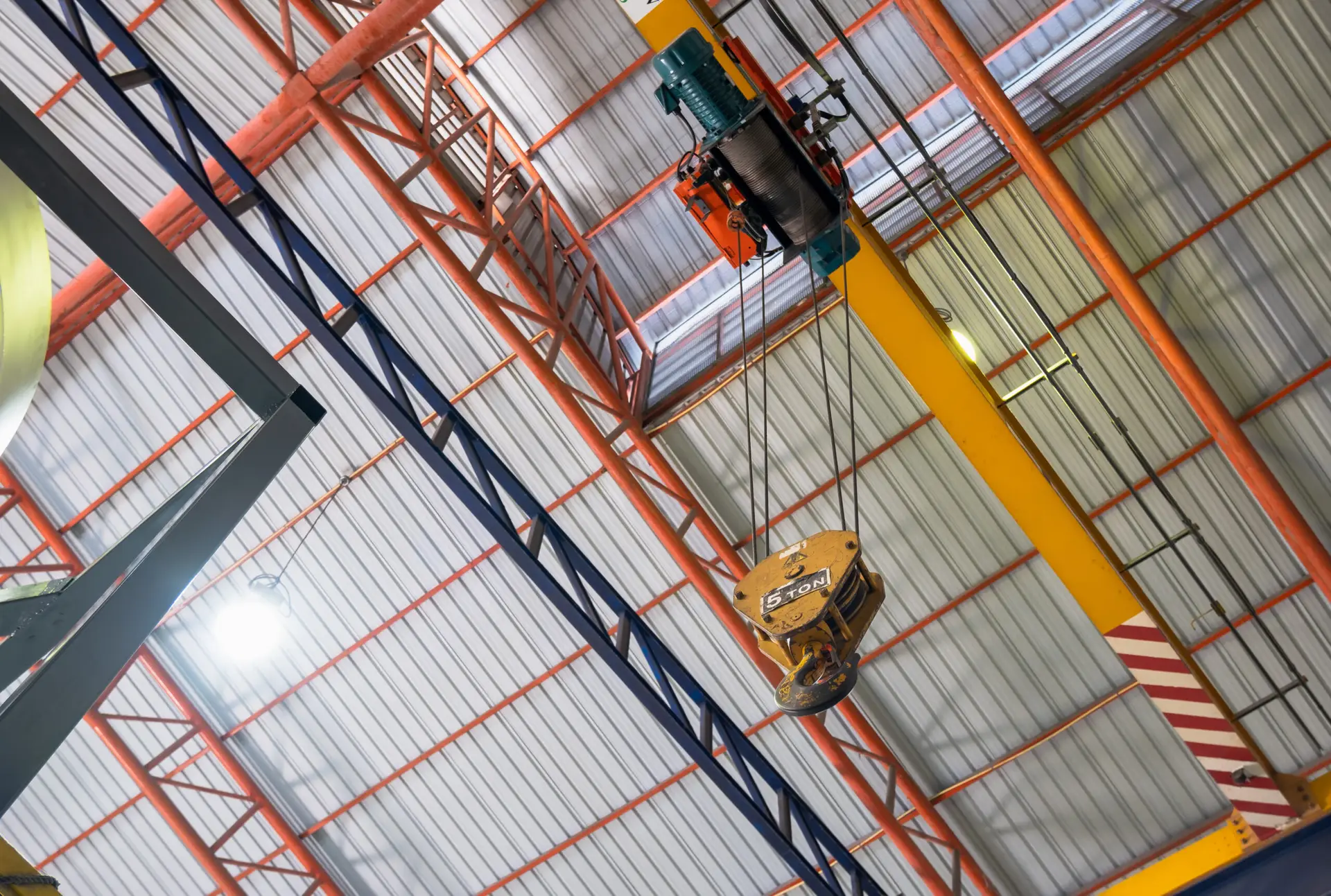
Overhead cranes are exactly the kind of asset this legislation was designed to reward. They’re tangible equipment with a defined useful life, used directly in production and material handling, and they typically qualify under the property classes eligible for both bonus depreciation and Section 179.
Whether you’re replacing an aging overhead crane system or adding a new one to expand capacity, with this new law, your purchase can be written off immediately. This is especially important if you’re still deciding whether to delay a crane purchase until next year or move forward now.
If you buy a crane system worth $150,000, it will reduce your taxable income by the full amount right away. Under the old depreciation schedule, you’d have recovered that same deduction in smaller pieces over many years, which meant a smaller cash benefit today and a longer wait to see the full tax value of your purchase.
Keep Your Cranes Compliant and Your Crew Safe.
What to Discuss with Your Certified Accountant
While the new law brings several write-off benefits, every business’s situation is different. Before assuming an overhead crane purchase qualifies, you should talk to your tax advisor and have the specifics ready when you discuss your situation.
Some key considerations include:
To qualify for the restored 100% bonus depreciation, equipment generally needs to be acquired and placed in service after January 19, 2025. If a purchase was locked in under a signed contract before that date, it may fall under the older, less favorable rules instead.
New and used equipment can both qualify. Bonus depreciation isn’t limited to brand-new overhead crane systems alone. Used equipment can also be eligible, provided it wasn’t previously used by your business or a related party and was acquired in an arm’s-length purchase.
Your taxable income affects the Section 179 side. Unlike bonus depreciation, the Section 179 deduction is limited to your business’s taxable income for the year, so a company operating at a loss may get more value from bonus depreciation instead.
However, before you make any decisions, discuss your situation with a certified accountant or tax advisor. Do not assume that your overhead crane purchase automatically qualifies.
What to Consider Before Buying a New Overhead Crane System
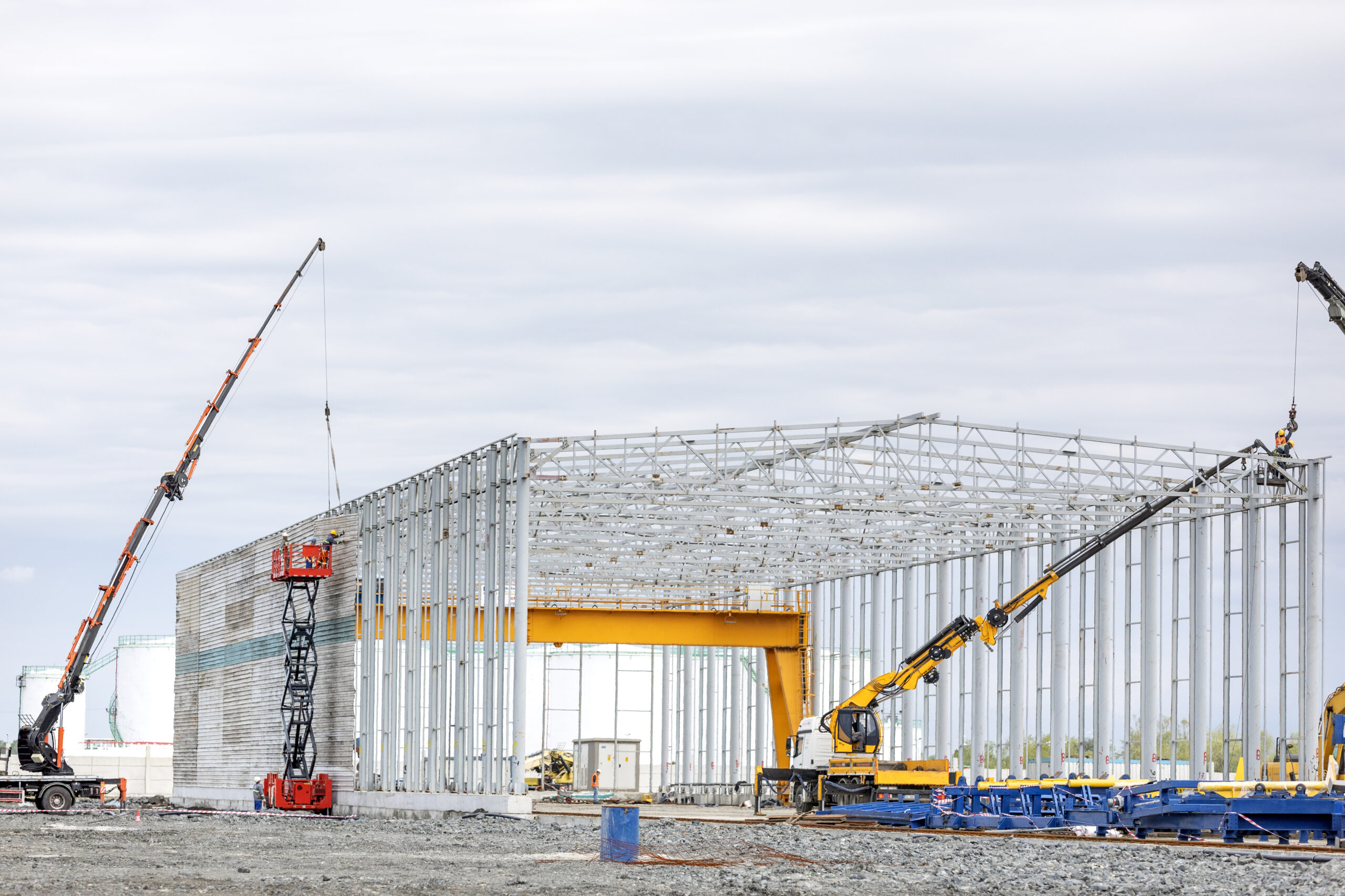
Tax savings should be one part of your equipment decision. Your facility also needs to consider the application, capacity, and long-term service requirements before buying a new overhead crane system.
Before purchasing new overhead cranes, review:
Your Current Production Needs
Consider how much material your team moves, how frequently loads are lifted, and whether your current overhead crane system can support future production goals. Be sure to choose a system that matches your daily workload and current and future facility requirements.
Equipment Installation Requirements
Buying a new overhead crane system requires careful planning. Your facility layout, runway structure, electrical requirements, and available workspace all affect installation. Working with a crane installation expert helps you identify the right solution before installation begins.
Maintenance and Long-Term Support
Every new crane system is a long-term investment. Regular inspections, preventive maintenance, repairs, and replacement parts help keep your equipment ready for daily operation. think these recurring costs and commitments through before investing in a new system.
Fast, Reliable Repairs When You Need Them Most.
Why Work with Brennan Jacobs for Your Overhead Crane Needs?
Selecting the right overhead crane installation and service partner matters when your equipment supports daily production. Brennan Jacobs brings more than 10 years of dedicated crane and hoist service experience, along with more than 30 years of hands-on industry knowledge.
Our team has worked with manufacturers, warehouses, and heavy industrial facilities across the region. This experience helps you choose, install, and maintain overhead crane systems that fit your operational requirements perfectly.
Whether you are planning a new crane installation, replacing outdated equipment, or reviewing your facility’s lifting requirements, Brennan Jacobs can help you evaluate your options.
Quality Crane & Hoist Parts Ready to Ship.
Plan Your Overhead Crane Investment with Confidence
Tax changes can create new opportunities for manufacturers looking to invest in equipment. The OBBB Act provides potential benefits for businesses purchasing qualifying machinery and equipment, including certain overhead crane systems.
However, before making a purchase, review your facility needs, discuss tax eligibility with your accountant, and work with an experienced crane provider. With the right planning, your next overhead crane investment can support your operation today while preparing your facility for future demands.
Contact experts at Brennan Jacobs now to get started!
Frequently Asked Questions (FAQs)
The One Big Beautiful Bill Act may provide tax benefits for businesses purchasing qualifying equipment, including some overhead crane systems. It allows eligible businesses to potentially deduct equipment costs sooner instead of spreading deductions over several years.
Yes, certain overhead crane systems may qualify for bonus depreciation if they meet the requirements under the law. Businesses should confirm eligibility with their tax advisor before making a purchase decision.
For businesses planning to upgrade or expand their lifting capabilities, the current tax benefits may make investing in a new overhead crane system more attractive. However, companies should also consider their operational needs and long-term goals.
Before purchasing a new crane system, consider your facility’s lifting requirements, load capacity, installation needs, production goals, and future maintenance requirements.
Yes, replacing an aging crane system can help improve reliability, support production needs, reduce downtime, and provide a safer working environment.
Yes, businesses should discuss their equipment purchase with a qualified tax advisor to understand how the available tax benefits apply to their specific situation.
Author:
Victor Crawford is the President and CFO of Brennan Jacobs Inc., a company he founded in 2010. He has 42 years of industrial machine maintenance experience, including 30 years focused on overhead cranes and hoists. Before starting his own company, he worked at Konecranes for many years, earning the title of Master Technician and later working as a salesman and Branch Manager, opening offices in Plant City, Miami, Jacksonville, Memphis, Little Rock, and Nashville. He holds a degree in Industrial Controls Engineering from Tampa Technical Institute and is a Journeyman Millwright.