
Key Takeaways
- Visual inspections are a core part of routine wire rope safety checks on cranes and hoists.
- Visual checks catch visible damage such as broken wires, corrosion, kinking, crushing, and deformation.
- Magnetic rope testing (MRT) can reveal certain internal and external conditions that a visual check may miss.
- Wire rope often wears from the inside out, so by the time damage shows on the surface, there may already be significant internal damage.
- Using both methods gives teams more information about true rope conditions.
- Regular wire rope testing helps teams catch problems before they turn into serious safety concerns.
Wire ropes carry the load in almost every overhead crane and hoist on your plant floor. Even a single rope failure can stop your production, damage equipment, and put everyone working on the job at risk. That is why a strong wire rope inspection program is one of the smartest investments your facility can make.
The catch is that not all rope damage shows up the same way, and no single checking method catches everything. Wire rope often wears from the inside out, so by the time damage reaches the surface, there may already be a lot of damage hiding inside.
This article compares two proven methods for assessing wire rope condition: visual inspection and MRT scanning. Each one looks at the rope from a different angle. One evaluates the surface. The other reads inside the strands. Used together, they give maintenance teams a fuller view of what a rope can safely do.
WHAT IS A VISUAL WIRE ROPE INSPECTION?
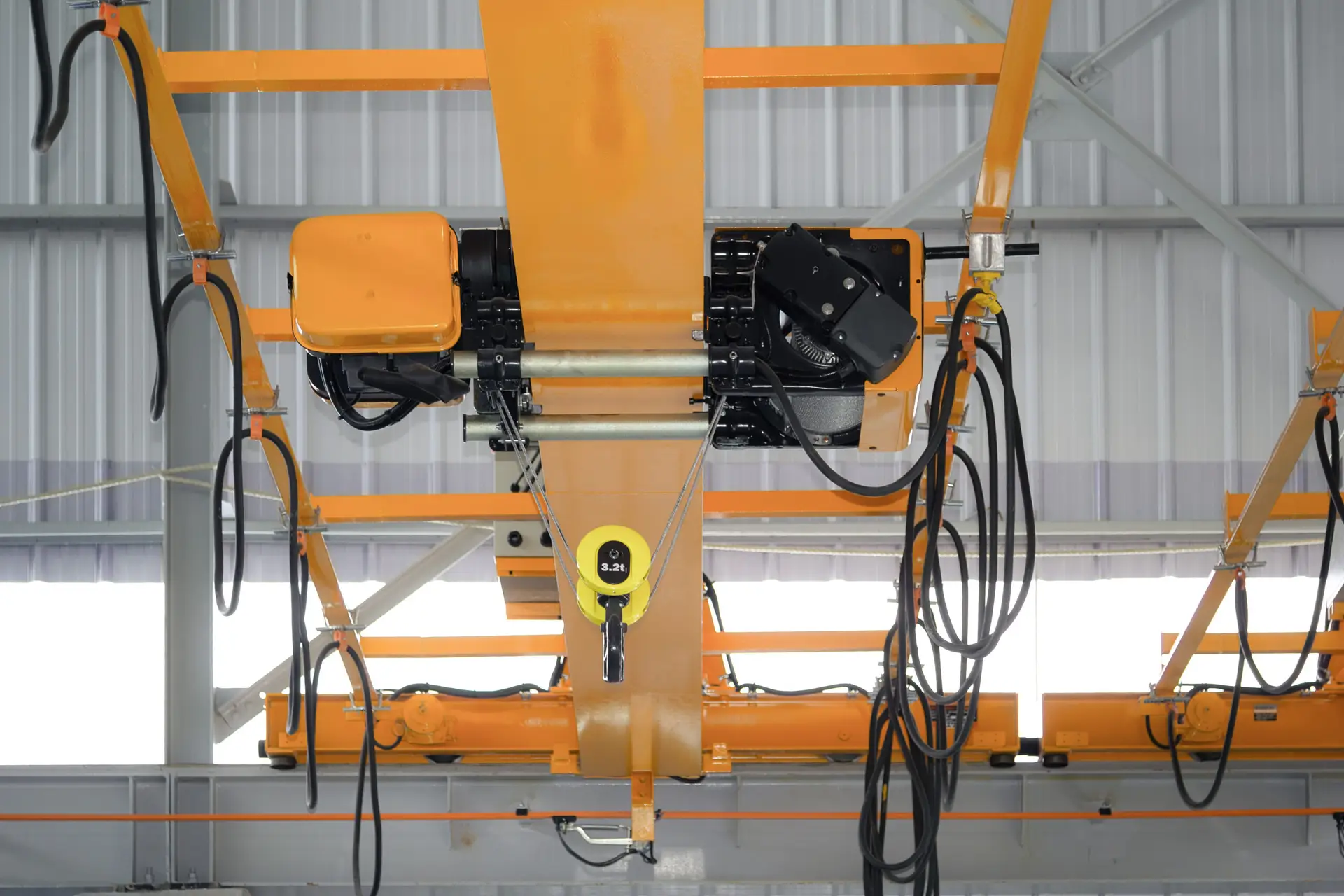
A visual wire rope inspection is a hands-on review of the rope by a qualified inspector. It assesses the visible condition of your rope along its length and at the points where damage tends to start.
During a visual check, inspectors look for:
- Broken or damaged wires
- Corrosion and rust
- Kinking
- Crushing or flattening
- Bird-caging
- Abrasion and general wear
- Rope deformation
- Diameter reduction
- Damage around end connections and fittings
This method lets an inspector assess wire rope damage that’s visible or reachable by hand. Before you hire an overhead crane inspector, ask them what they will check, how, and if they’ll provide documented reports.
Visual inspection is an excellent way to identify most surface-level damage, and it’s also required. For example, OSHA 1910.179 requires frequent inspections of running ropes, checking for visible damage at intervals ranging from daily to monthly depending on how the equipment is used. Additionally, you need a thorough monthly inspection with a certification record that includes the inspection date, inspector’s signature, and an identifier for inspected ropes.
WHAT IS MAGNETIC ROPE TESTING (MRT)?
Magnetic rope testing is a non-destructive method that uses a magnetic field to assess the condition of a steel wire rope. As your wire rope passes through the test head, the equipment measures changes in the magnetic signal that point to flaws in the wires and strands.
Localized Flaws vs. Loss of Metallic Cross-Section
Most MRT wire rope inspection reports have two main categories. The Localized Flaw (LF) points to a specific defect, such as a broken wire or a small cluster of breaks. Loss of Metallic Cross-Section (LMA) reflects a gradual loss of steel over a length of rope, usually from internal corrosion or abrasion between strands.
Reading What the Eye Cannot See
Because the signal travels through the whole rope, magnetic rope inspection can flag certain internal wire breaks and metal loss that stay invisible from the exterior. Only trained professionals should review results from any wire rope MRT scan using proper equipment and procedures. The data guides your decisions, but skilled interpretation turns it into action.
Keep Your Cranes Compliant and Your Crew Safe.
VISUAL INSPECTION VS. MRT: WHAT’S THE DIFFERENCE?
Your preventive maintenance program needs both visual inspection and magnetic rope testing. They serve the same purpose: keep your equipment and people using it safe and productive. However, each testing method answers a different question about your wire rope.
| Inspection Method | What It Can Identify | Key Limitation |
| Visual Inspection | Visible damage such as broken wires, corrosion, abrasion, kinking, crushing, bird caging, and deformation. | Cannot reliably identify damage inside the rope or conditions that are not externally visible. |
| MRT Scanning | Certain internal wire breaks, localized flaws, and loss of metallic cross-section that may not be visible during a visual inspection. | Does not replace visual inspection, since it is not intended to identify every type of external rope damage. |
| Using Both Methods | Combines visible condition assessment with added information about internal and metallic rope conditions. | Provides a more complete picture of rope condition when both methods are applied correctly. |
WHY YOU NEED BOTH INSPECTION METHODS
Let’s start with a visual inspection. It gives you information about the rope’s visible physical condition. It is quick, repeatable, easy, and part of your routine service. More importantly, it could tell you if and when your overhead crane needs an immediate, thorough inspection by an inspector. However, it cannot confirm how intact the wire rope’s core is.
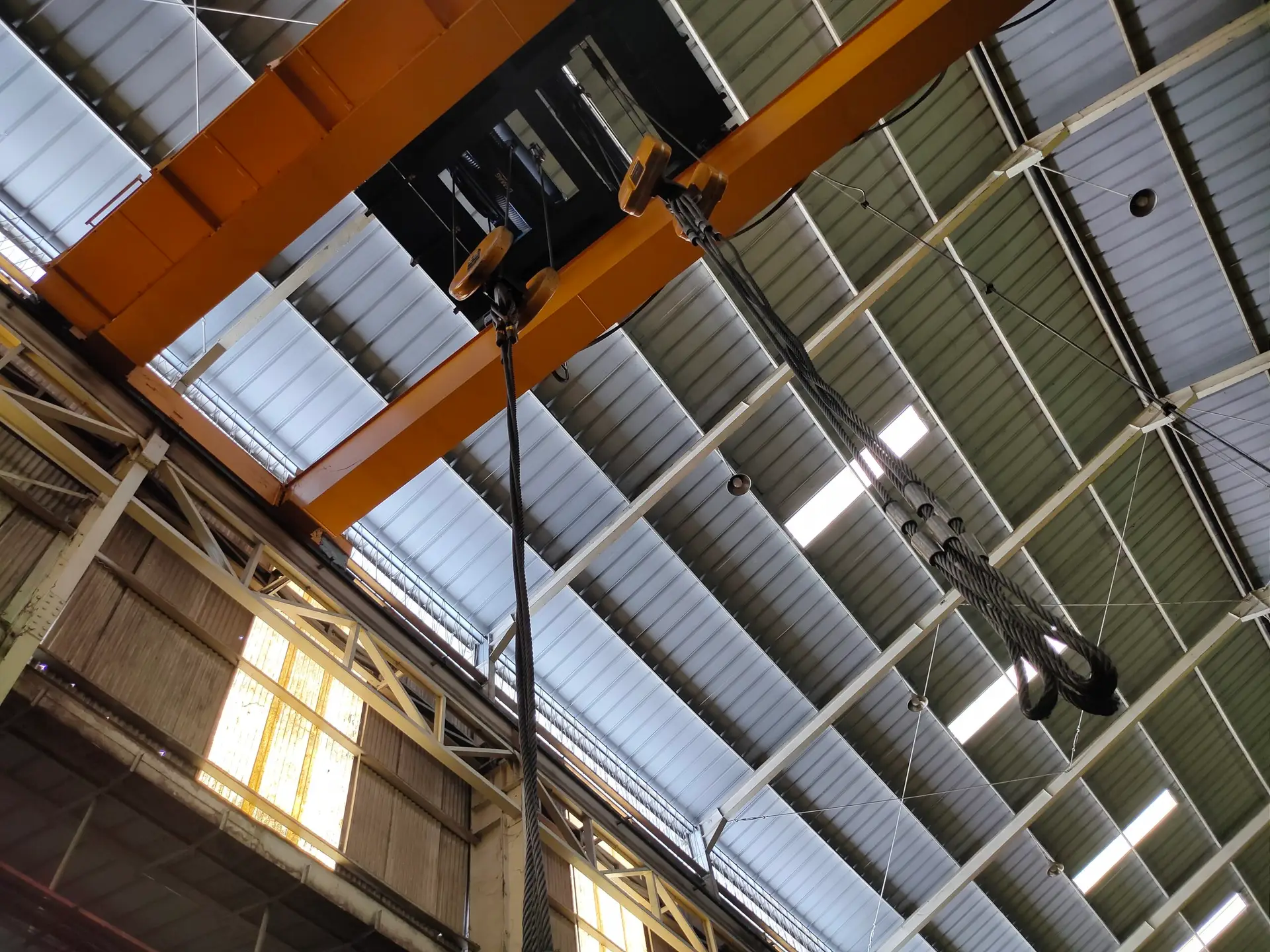
This matters because wire rope often wears from the inside out. Strands rub against each other, the core loses support and lubrication, and moisture can work its way in. All of that happens out of sight. By the time wear reaches the outside of the rope, there may already be a lot of internal damage. A rope can look fine to the eye while it loses strength where nobody can see it.
That’s where MRT scanning adds value. It reports on certain internal and metallic conditions that stay out of view. Your rope may carry damage on the surface, inside the strands, or in both places at once. Reading only one layer leaves a gap in your assessment.
When you combine both methods, your maintenance team gets a broader view of the true rope condition. Those findings then guide your next decision: continued service, closer monitoring, repair, or replacement.
Fast, Reliable Repairs When You Need Them Most.
WHEN SHOULD WIRE ROPE BE INSPECTED?
Inspection frequency isn’t one size fits all. The right schedule for your crane wire rope inspection depends on several factors, including:
- Equipment usage and how many lifts the rope sees
- Duty cycle and severity of service
- Operating environment, including moisture, dust, and heat
- Load conditions and typical weights
- Manufacturer recommendations
- Applicable regulations and standards
- Previous inspection findings
- Rope age and service history
Don’t wait for visible damage to become severe before scheduling a check. Waiting limits your options and increases safety risk. When a visual inspection leaves questions it can’t answer, MRT scanning is often your right next step.
WHAT TO DO WHEN AN INSPECTION IDENTIFIES ROPE DAMAGE
Finding a problem is only helpful if your response is clear and consistent. When an overhead crane and hoist inspection turns up rope damage, work through these steps:
- Document your inspection findings in detail.
- Determine location and damage type.
- Remove the equipment from service when the severity or applicable safety requirements call for it.
- Arrange further inspection or testing when needed.
- Compare findings against applicable acceptance and rejection criteria.
- Repair or replace wire rope as needed.
- Record the completed work and schedule your next inspection.
Clear records also support your next review. Tracking your results over time shows how a rope is trending, which sharpens your future wire rope repair and replacement decisions.
Build a Stronger Rope Safety Program with Both Methods
Visual inspection and MRT scanning tell you different things about the same rope. The former remains your foundation for catching visible damage on cranes and hoists. On the other hand, magnetic rope testing adds information about certain internal and metallic conditions that stay hidden from view. Use both, and your maintenance team can make better-informed calls about rope condition and continued service.
Brennan Jacobs is here to help you inspect, repair, and replace all parts of your overhead cranes. We also source parts and provide new installations for facilities across Tennessee. We have over 10 years of dedicated crane and hoist service experience across industries.
Contact us today to review your equipment and match the right mix of visual checks and MRT scanning.
Quality Crane & Hoist Parts Ready to Ship.
Frequently Asked Questions (FAQs)
Visual inspection reviews the outside of your rope, while magnetic rope testing reads inside the strands. A visual check finds surface damage. MRT finds certain internal flaws and metal loss that stay hidden from view.
A visual inspection detects damage that’s reachable by sight and hand. That includes broken wires, corrosion, kinking, crushing, birdcaging, abrasion, deformation, diameter reduction, and damage around end connections.
MRT scanning detects localized flaws and loss of metallic cross-section along your rope. It measures changes in a magnetic signal to flag conditions like internal wire breaks and internal corrosion.
Yes. Wire rope often wears from the inside out, so internal damage can build up before it shows on the surface. A visual inspection covers the outside, and MRT scanning helps flag certain internal conditions that your eyes can’t catch.
Yes, it can identify certain internal conditions that a visual check may miss. Trained personnel review the data using proper equipment and procedures to confirm your results.
No, it doesn’t replace visual inspection, since it is not intended to identify every type of external damage. The two methods work together and cover different conditions.
Inspection frequency depends on usage, duty cycle, environment, load conditions, manufacturer guidance, applicable standards, and prior findings. Ropes in heavy or harsh service generally need more frequent checks.
Replace your rope when findings meet applicable acceptance and rejection criteria or manufacturer guidance. Inspection results, damage type, and severity guide that decision.
Your wire ropes carry the load, and failure can cause injury, damage, and downtime. Regular inspection helps you catch problems early and supports safe, reliable lifting operations.
Author:
Victor Crawford is the President and CFO of Brennan Jacobs Inc., a company he founded in 2010. He has 42 years of industrial machine maintenance experience, including 30 years focused on overhead cranes and hoists. Before starting his own company, he worked at Konecranes for many years, earning the title of Master Technician and later working as a salesman and Branch Manager, opening offices in Plant City, Miami, Jacksonville, Memphis, Little Rock, and Nashville. He holds a degree in Industrial Controls Engineering from Tampa Technical Institute and is a Journeyman Millwright.