
Overhead cranes power countless industrial operations, moving heavy loads efficiently and keeping your production lines running smoothly. When an overhead crane performs reliably, you protect your team, your equipment, and your bottom line all at once.
That’s why smart facility managers treat OSHA crane audit preparation as a daily discipline and not a last-minute checklist. Your facility needs a detailed overhead crane safety compliance program that builds confidence among your operators long before an inspection is due.
That said, OSHA often looks well beyond whether your overhead crane runs smoothly. They usually focus on maintenance history, operator training records, and how thoroughly you act on corrective actions. When your paperwork tells the same story as your equipment, you’re in a comfortable position.
At Brennan Jacobs, we support manufacturers, warehouses, power plants, and industrial facilities with OSHA inspections, repairs, preventive maintenance, modernization, and compliance. And in this guide, we’ll explain how to prepare your facility for an overhead crane OSHA inspection.
Understand What an OSHA Crane Audit Covers
An OSHA crane audit measures how well your facility manages the safety of its overhead lifting systems. It reviews conditions, records, and operating practices against federal requirements, giving managers a clear read on where the program stands.
What Is an OSHA Crane Audit?
An OSHA crane audit evaluates how your facility manages overhead cranes, hoists, lifting practices, or related safety procedures. OSHA may conduct an inspection in response to a complaint, a reported injury, a referral, a targeted enforcement program, or another workplace safety concern.
It doesn’t serve the same purpose as a routine inspection. Your routine inspections help identify mechanical, structural, electrical, and operational problems. An OSHA compliance review examines whether your facility follows applicable safety requirements and protects employees in line with regulatory requirements.
Key Areas OSHA Inspectors Review During Crane Audits
Typically, an OSHA crane audit covers the following three areas:
Equipment Condition
The exact inspection scope can depend on the overhead crane type, work environment, operating history, and hazards visible at the facility. However, the compliance officer usually reviews visible and functional components such as:
- Bridge girders, end trucks, and runway systems
- Hoists, chains, wire ropes, drums, and sheaves
- Hooks and hook safety latches
- Brakes, controls, and limit switches
- Pendant stations and radio controls
- Electrical wiring and control panels
- Warning devices and emergency stops
- Rated-load markings and safety labels
Keep Your Cranes Compliant and Your Crew Safe.
Documentation
Overhead crane inspection records show whether your safety program operates consistently over time. So, the officer may request:
- Daily or pre-shift checklists
- Frequent and periodic inspection reports
- Hook, chain, and wire-rope records
- Preventive maintenance schedules
- Repair work orders
- Corrective action records
- Operator training documents
- Rated-load test reports when applicable
- Manufacturer manuals and equipment specifications
Operational Practices
Your written policies and daily practices should support each other. The officer may observe how your employees operate the crane. This review may include:
- Operator qualifications and assigned responsibilities
- Pre-shift inspection practices
- Load control and positioning
- Employee communication during lifts
- Travel paths and pedestrian exposure
- Use of slings and below-the-hook devices
- Response to unusual noise, motion, or control behavior
- Lockout/tagout practices during maintenance
OSHA Standards That Apply to Overhead Crane Operations
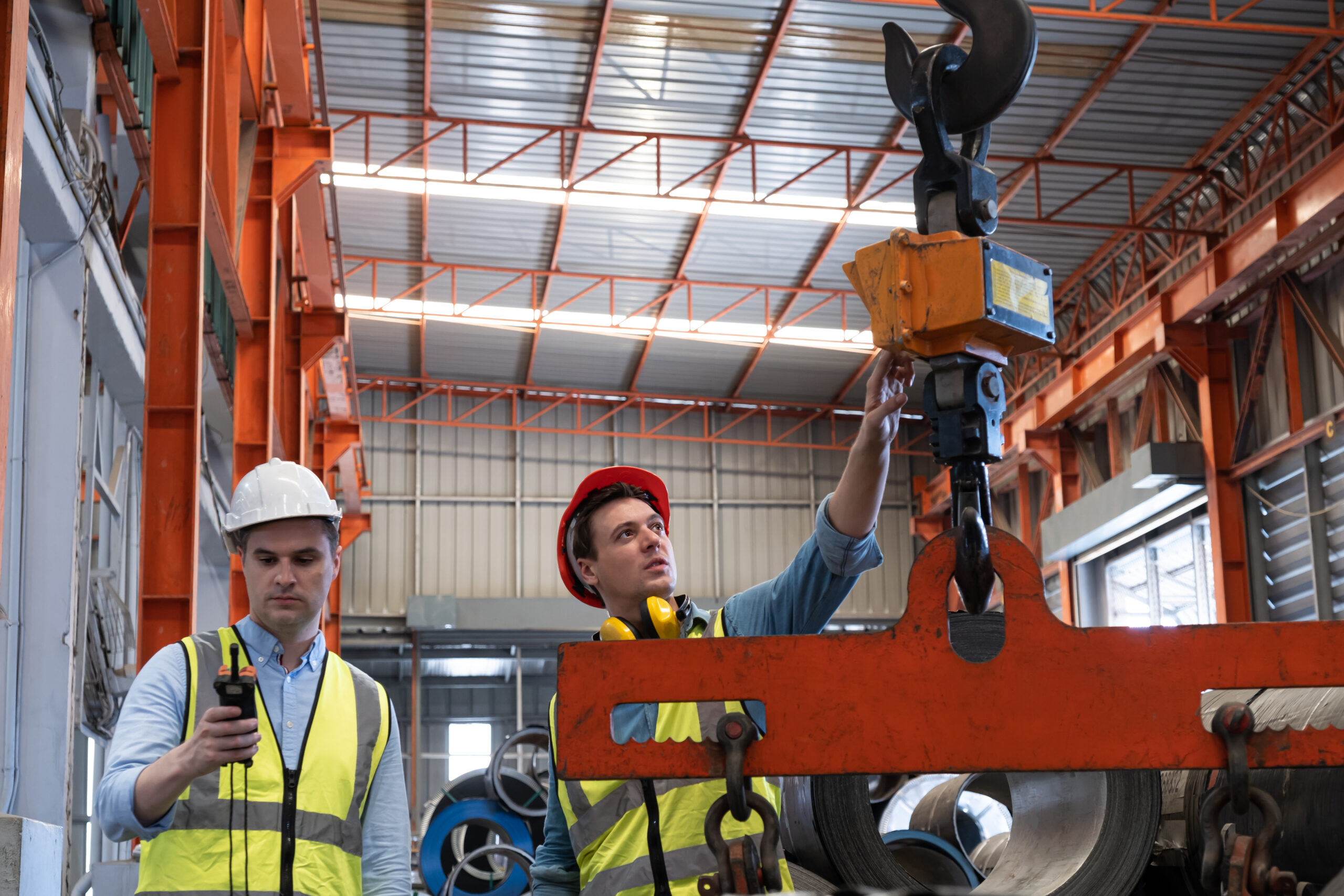
OSHA 29 CFR 1910.179 sets the main requirements for overhead and gantry cranes in general industry. It covers crane construction, inspections, testing, maintenance, wire ropes, load handling, and related safety practices, giving you a clear framework for safe crane operation.
OSHA classifies regular inspections as frequent or periodic, based on the component, service level, and wear exposure. You also need daily and monthly inspections of specific hooks and hoist chains. Your monthly certification records should list the inspection date, inspector’s signature, and component identifier. Wire-rope records require similar details.
Your OSHA 1910.179 compliance program should follow manufacturer instructions for inspection points, adjustments, lubrication, parts, and maintenance intervals. You should also review your state’s OSHA-approved plan and any requirements related to your overhead crane, facility, or work activity. Hiring a qualified crane professional can help you confirm which standards apply.
Build an Audit-Ready Crane Documentation System
Your documentation matters as much as the equipment during a review. When your records clearly support the work your team performs, it demonstrates consistency, accountability, and compliance.
Why Crane Documentation Matters During an OSHA Audit
Documentation shows how your facility manages crane safety throughout the year. It shows that qualified personnel inspected your equipment, reported findings, completed repairs, and verified the work.
Effective OSHA audit documentation answers practical questions, such as:
- When did the inspection take place?
- Who performed it?
- Which components did the person inspect?
- What did the inspection find?
- Did the condition affect crane operation?
- Who received the corrective action?
- When did your team complete the work?
- Who approved the crane for continued or resumed use?
Records also give you useful information about equipment performance. You can compare reports and identify repeated brake adjustments, contactor failures, rope wear, or wheel-flange wear. So, make documentation part of your inspection, maintenance, and repair process.
Essential Crane Records Facility Managers Should Maintain
Inspection Records
Maintain current and historical inspection records for every crane. Your files should reflect your equipment, service conditions, and applicable requirements.
- Operator pre-shift checklists
- Frequent inspection reports
- Periodic inspection reports
- Monthly hook inspection certifications
- Monthly chain inspection certifications
- Monthly wire-rope inspection certifications
- Inspections for equipment returning from idle service
- Inspection findings
- Repair recommendations
- Post-repair inspection records
- Post-modification test records
Assign a unique identification number to every crane. Use that number on reports, work orders, parts requests, and corrective action forms. Clear identification helps your team connect each record to the correct equipment.
Maintenance Records
Your crane maintenance records should document planned and completed work. These records give you a clear history of each crane’s service and condition.
- Preventive maintenance dates
- Lubrication work
- Brake inspections and adjustments
- Rope, chain, hook, or sheave replacements
- Electrical repairs
- Control replacements
- Gearbox and bearing work
- Structural repairs
- Modernization work
- Technician observations
Record what the technician found, which work the technician completed, which parts the technician installed, and whether your crane requires follow-up service.
Training Documentation
Your training documentation should show who received training, what the instruction covered, and how the employee performed during the evaluation.
- Employee name
- Training date
- Crane or equipment type
- Topics covered
- Instructor or evaluator
- Practical evaluation results
- Refresher training
- Follow-up requirements
Equipment-specific training helps your operators account for differences in controls, capacities, response characteristics, and operating environments.
Corrective Action Records
Your corrective action records should show how your team addressed each inspection finding. These records connect the original finding with the completed work and return-to-service approval.
- Crane identification number
- Deficiency description
- Priority classification
- Reporting date
- Temporary controls
- Operating restrictions
- Assigned employee or provider
- Target completion date
- Repair details
- Completion date
- Verification results
- Return-to-service approval
Best Practices for Organizing Crane Audit Documentation
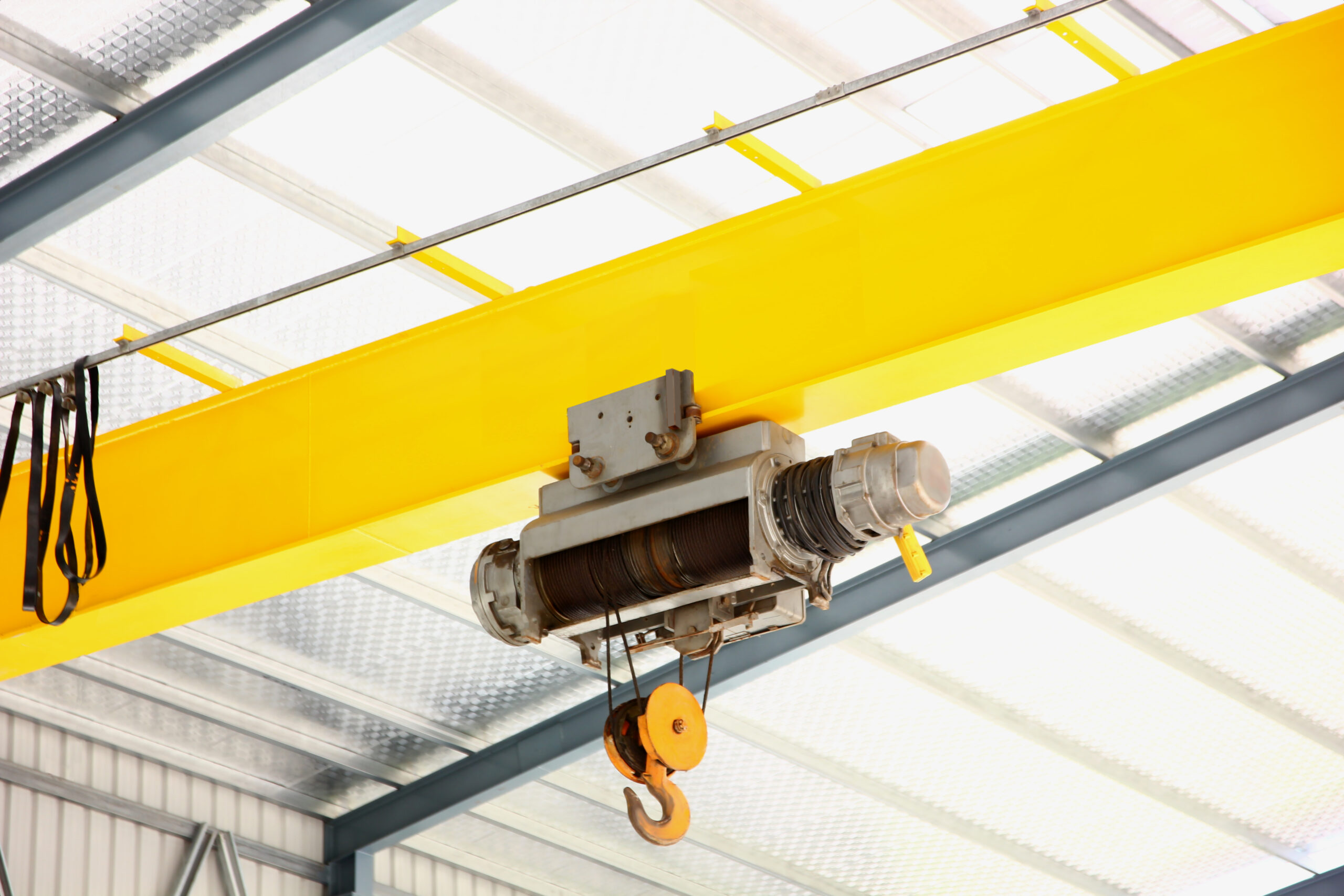
Create one central system for your overhead crane compliance records using digital files, physical binders, maintenance software, or a combination. Organize records by crane so each file shows its inspection, maintenance, repair, testing, and modification history.
Maintain a master equipment register that includes:
- Crane identification number
- Location
- Manufacturer
- Model and serial number
- Rated capacity
- Installation date
- Service classification
- Inspection frequency
- Latest inspection date
- Next inspection date
- Open corrective actions
- Current operating status
Give your safety, maintenance, operations, and supervisory teams access to current records. Review your files regularly for missing signatures, incomplete fields, overdue actions, unclear notes, and incorrect equipment numbers. Correct any gaps you find.
Complete OSHA Crane Audit Preparation Checklist
Use this OSHA crane audit checklist to review your equipment, operations, records, and facility conditions. Adapt each section to your cranes and applicable requirements.
Equipment Condition Checklist
Structural Components
Review your crane structure and supporting system for clear signs of safe, reliable operation. Check:
- Bridge girders for visible cracks, corrosion, bending, or deformation
- End trucks, wheels, and connections
- Runway rails for wear, alignment, and secure fasteners
- Unusual wheel or flange wear
- Support columns, brackets, anchors, and connections
- Accessible welds and bolted connections
- Bumpers, stops, and rail sweeps
- Unapproved structural changes
- Stored materials that interfere with crane travel
Structural changes can indicate overloading, impact, fatigue, runway alignment concerns, or earlier repair work. If you find structural concerns, place the overhead crane in a safe condition and arrange an assessment by a qualified person.
Fast, Reliable Repairs When You Need Them Most.
Hoist and Mechanical Components
Review the components that lift, support, and control your load. Check:
- Wire rope for broken wires, crushing, kinking, corrosion, heat damage, and diameter loss
- Chain for stretch, twist, worn links, corrosion, and damaged connections
- Rope reeving and drum spooling
- Drums and sheaves for cracks, wear, and damaged grooves
- Hooks for cracks, deformation, throat opening, and twist
- Hook safety latch condition and function
- Holding and control brakes
- Gearbox, bearing, motor, or brake noise
- Lubricant leaks
- Couplings, shafts, gears, and accessible fasteners
- Limit functions through approved procedures
- Smooth hoist, trolley, and bridge movement
OSHA calls for daily visual checks and monthly certified inspections of hooks and hoist chains. Your records should identify the component, inspection date, and person who performed the inspection. Give wire-rope condition close attention and compare each inspection with earlier findings so you can plan service before wear reaches removal criteria.
Electrical Systems
Review your electrical components for proper condition, labeling, and reliable operation. Check:
- Control panels
- Disconnects
- Pendant controls
- Radio controls
- Festoon systems
- Conductors and collectors
- Motors
- Contactors and relays
- Wiring and enclosures
- Grounding
- Limit switches
- Emergency stop circuits
Look for exposed conductors, cracked enclosures, damaged pendant cables, loose buttons, missing labels, overheating, moisture entry, or temporary repairs. Take equipment with unreliable controls out of normal operation until a qualified technician evaluates and corrects the condition.
Safety Devices and Markings
Confirm that your overhead crane safety devices and markings remain visible, accurate, and functional. Check:
- Emergency stops
- Overload protection systems
- Warning horns and alarms
- Travel warning devices, where applicable
- Limit devices
- Guards
- Rail stops and bumpers
- Safety labels
- Directional labels
- Crane and hoist capacity markings
OSHA requires each side of an overhead crane to display its rated load. Overhead cCranes with multiple hoisting units should also display the rated capacity of each hoist or load block. Confirm that operators can read capacity markings from the normal working area, and replace faded or damaged labels with verified information.
Operational Safety Checklist
Your overhead crane safety checklist should also cover how your team uses the equipment each day. Confirm that:
- Authorized employees operate the cranes
- Operators complete required pre-shift checks
- Operators follow a clear defect-reporting process
- Employees know the crane’s rated capacity
- Loads remain within the rated limit
- Rigging matches the load and lifting task
- Employees remain clear of suspended loads
- Operators keep loads away from occupied areas
- Operators position the hoist directly above the load
- Employees control loads during travel
- Operators and workers use agreed communication methods
- Signal persons have clear responsibilities
- Operators follow approved procedures for unattended loads
- Employees keep personnel off the hooks and loads
- Crane controls return correctly to neutral
- Operators know how to respond when a control or component behaves differently
Observe overhead crane practices across multiple shifts when possible. Speak with operators and ask practical questions about brake slip, incorrect rope spooling, broken hook latches, or inconsistent controls. Their responses help you confirm that your procedures work during daily operations.
Documentation Checklist
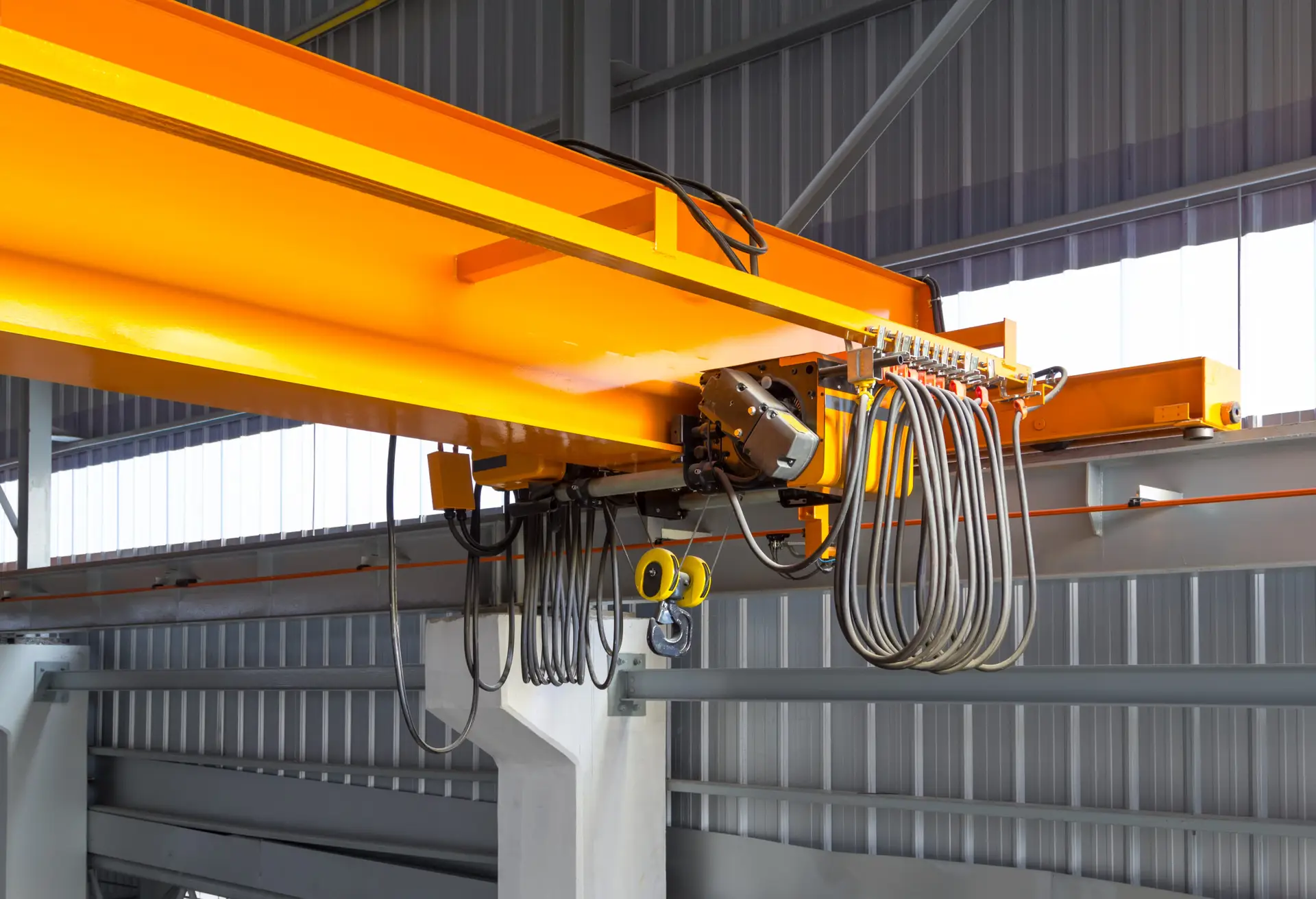
Confirm that your team can quickly provide complete overhead crane inspection records and related compliance documents. Confirm availability of:
- Current periodic inspection reports
- Frequent inspection records
- Hook inspection certifications
- Chain inspection certifications
- Wire-rope inspection certifications
- Pre-shift checklists
- Preventive maintenance records
- Completed repair work orders
- Open-deficiency reports
- Corrective action records
- Return-to-service records
- Operator training records
- Manufacturer manuals
- Overhead cCrane specifications
- Rated-load test reports, where applicable
- Modification approvals
- Lockout/tagout procedures
- Applicable safety policies
Check each document for clear equipment identification, dates, names, signatures or approved electronic authentication, findings, and follow-up status. OSHA may accept electronic identification when the system identifies the responsible person and confirms record accuracy.
Facility Environment Review
Your operating environment affects component wear, inspection frequency, and maintenance planning. Review conditions such as:
- Corrosive chemicals
- Outdoor exposure
- Moisture or washdown activity
- Excessive dust
- Abrasive particles
- High temperatures
- Freezing conditions
- Rapid temperature changes
- Heavy production cycles
- Frequent starts and stops
- Shock loading
- Molten material handling
- Limited lighting
- Restricted visibility
- Congested travel paths
Match your overhead crane inspection checklist to actual operating conditions, and update your inspection and maintenance plan when production volume, shift schedules, or lift frequency changes.
Common OSHA Crane Audit Findings and How to Address Them
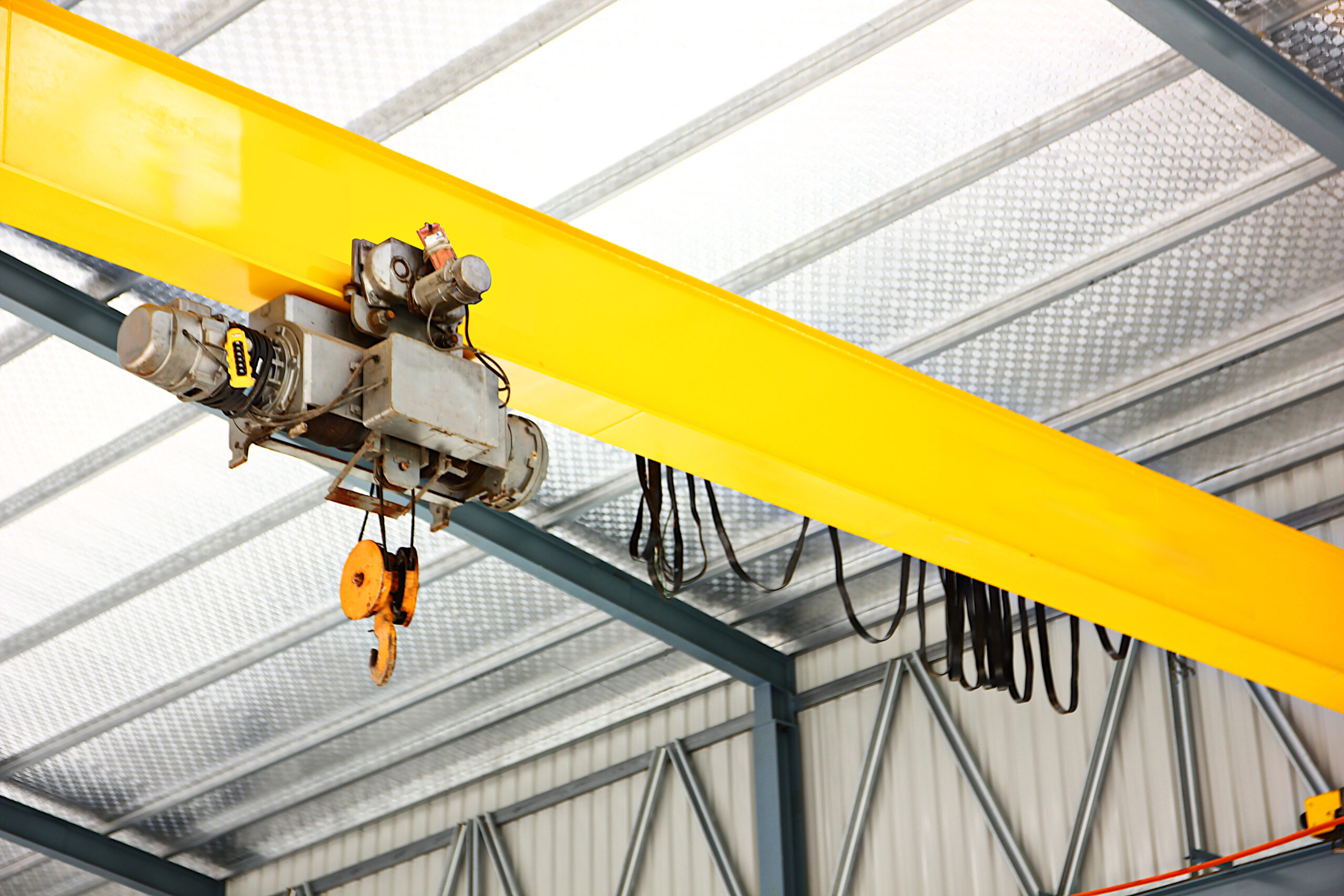
These may differ based on your equipment, facility, documentation, and daily crane use. But typically OSHA crane audit findings include gaps in inspections, records, training, maintenance, or operating practices.
Incomplete Inspection Records
Complete records make your inspection program easier to verify. If your forms contain missing dates, identifiers, or signatures, you may have difficulty showing that the required work took place.
Assign responsibility for each inspection category. Use calendar reminders, digital alerts, and supervisor reviews to keep inspections on schedule. Check monthly hook, chain, and wire-rope certifications closely.
Reviewing monthly records gives you time to correct administrative gaps and confirm that each report matches the correct crane.
Open Crane Deficiencies
This report may help you identify a condition that requires repair or further evaluation.
Create written deficiency classifications. Define which conditions require immediate removal from service, which permit restricted operation after a qualified assessment, and which can enter planned maintenance.
Assign each finding to a responsible person and set a completion date. Use out-of-service tags and lockout/tagout controls where required. Record who applied the restriction and who approved the crane for return to service. This helps you maintain a clear and complete equipment history.
Quality Crane & Hoist Parts Ready to Ship.
Operator Training Gaps
Your facility may have skilled operators but limited training documentation. You may also find that some employees completed general overhead crane training without instruction for the specific equipment they use.
Maintain a current list of authorized operators by department, crane type, or equipment group. Document instruction, practical evaluation, equipment-specific guidance, and refresher training.
Schedule refresher training after a significant equipment change, unsafe operating behavior, or any event that shows an employee needs additional instruction.
Reactive Maintenance Practices
Planned maintenance gives your team more control over repairs, production schedules, and parts availability. It also helps you study recurring equipment concerns.
If your team repeatedly adjusts the same brake or replaces the same electrical component, review the equipment more closely. It may point to alignment, duty-cycle, environmental, operational, or related component issues.
Use your service history to identify patterns. A deeper assessment can help you correct the source of repeated problems and improve equipment reliability.
Missed Manufacturer Recommendations
Manufacturer manuals provide equipment-specific guidance for inspections, lubrication, adjustments, replacement parts, and service intervals. Keep the correct manual available for each crane and hoist.
Compare manufacturer’s recommendations to actual operating conditions. If your equipment has received modifications or now performs more demanding work, ask a qualified crane professional to review the service plan.

Create a Preventive Maintenance Strategy That Supports OSHA Compliance
You need a detailed preventive maintenance strategy to keep your overhead cranes reliable, documented, and aligned with OSHA compliance expectations. While each program should reflect your equipment, usage, and operating environment, it commonly includes:
Move From Reactive Repairs to Preventive Maintenance
Preventive overhead crane maintenance lets you plan inspections and service work before equipment requires an emergency response. With a well-organized overhead crane maintenance program, you can:
- Reduce unexpected downtime
- Schedule repairs around production
- Track component wear
- Improve parts planning
- Control service costs
- Support safe operation
- Maintain a complete service history
- Prepare clear audit records
Start with a list of every overhead crane and hoist. Record the capacity, location, age, manufacturer, service level, operating environment, and production function.
Create inspection and maintenance intervals based on regulations, manufacturer recommendations, crane usage, and observed condition. Give each device a schedule that reflects its actual workload.
Use Inspection Findings to Plan Maintenance
Inspection reports should guide maintenance decisions. Review findings across several inspection cycles to see how component conditions change. For example, reporting gradual loss in rope diameter can help you schedule replacement during planned downtime.
Prioritize work based on:
- Safety significance
- Wear rate
- Crane usage
- Production impact
- Parts lead time
- Repair requirements
- Planned shutdown dates
Connect Your Safety and Maintenance Teams
Your safety team may manage audit records while your maintenance team handles repairs. Create one shared workflow so both can track each finding. Usually, this process goes like:
- The inspector reports the finding
- A qualified person reviews it
- The facility assigns an operating status
- Maintenance receives the work order
- The technician completes the work
- An authorized person verifies the correction
- The team closes the record
- Supervisors update affected employees
If your facility has several overhead cranes, you can also hold regular equipment review meetings. Use these meetings to discuss open work, recurring wear, upcoming inspections, training, and planned shutdowns.
Consider Professional Overhead Crane Inspection Support
Professional overhead crane inspection services can support your facility when:
- Overhead cCrane-specific inspection knowledge is needed
- You operate several types of overhead cranes
- Records show recurring gaps
- Equipment shows unusual wear
- The equipment has undergone major repairs or modifications
- The site is preparing for an OSHA inspection
- Structural or mechanical surveys are needed
- Modernization is under consideration
- Wire ropes require specialized testing
Brennan Jacobs provides inspections, repairs, industrial overhead crane maintenance, wire-rope MRT scanning, modernization, parts sourcing, and safety planning. We also provide detailed reports that help you prioritize immediate work ahead of planned repairs and long-term capital projects.
What to Do When OSHA Identifies Compliance Concerns
Despite your readiness, OSHA might flag some concerns. You need a strategic response to address each OSHA crane compliance concern and document the completed work.
Address Safety Concerns
If an OSHA inspection identifies a crane condition that needs attention, place the equipment in a safe state and control employee access. Your response may include:
- Stopping overhead crane operation
- Lowering and securing the load
- Isolating energy sources
- Applying lockout/tagout controls
- Marking the overhead crane out of service
- Controlling access to the area
- Informing operators and supervisors
- Arranging a qualified inspection
Document the condition, overhead crane number, date, temporary controls, and assigned personnel. Follow the applicable regulation and repair procedure before returning the equipment to service.
Create a Corrective Action Plan
When you create an overhead crane corrective action plan, be sure it records:
- The observed condition
- The affected crane
- Immediate controls
- Required work
- Responsible person
- Target date
- Parts or outside support
- Completion evidence
- Verification results
- Closure date
For equipment work, you can document the repair order, technician notes, replacement parts, photographs, test results, and follow-up inspection. If it’s a program-related finding, note down revised procedures, training records, updated forms, and supervisor verification.
Strengthen Your Program
After completing the immediate work, identify what created the gap and ask the following questions. Use your answers to improve the inspection process, maintenance schedule, training, supervision, and recordkeeping.
- Did your team assign clear responsibility?
- Did someone miss an inspection?
- Did maintenance receive the report?
- Did the inspection interval match the crane’s use?
- Did the operator receive complete training?
- Did the team have access to the manufacturer’s manual?
- Were replacement parts available?
Choose the Right Overhead Crane Inspection Partner
The right overhead crane inspection partner helps you accurately assess equipment, maintain clear records, and address findings efficiently. Here’s what you should do:
What Facility Managers Should Look For
Your inspection partner should understand overhead crane structures, electrical controls, mechanical systems, hoists, ropes, hooks, and daily operating conditions. Look for a provider with:
- Direct overhead crane and hoist knowledge
- Qualified inspection personnel
- Knowledge of OSHA requirements
- Familiarity with applicable industry standards
- Clear inspection reports
- Equipment-specific findings
- Practical repair recommendations
- Corrective action support
- Parts and repair capabilities
- Consistent communication
You can ask the provider for a sample inspection report. It should identify the crane, inspection scope, component condition, finding location, recommended action, and priority.
Brennan Jacobs has been providing professional overhead crane and hoist services for over 10 years. We have 1,000+ inspections, repairs, and modernizations under our belt. You can count on us for professional overhead crane compliance support no matter how demanding your industry is.
Maintain an Audit-Ready Overhead Crane Safety Program
Your OSHA overhead crane audit preparation begins with regular inspections, organized records, qualified operators, planned maintenance, and completed corrective actions. Review each overhead crane’s condition, workload, environment, service history, and operating practices.
Schedule internal reviews to keep your overhead crane inspection records current, complete service work, and address training needs. Assign each finding to a responsible person and track it through completion and verification.
Brennan Jacobs is here to help you. We provide overhead crane inspection services, preventive maintenance, repairs, surveys, wire-rope MRT scanning, parts sourcing, modernization, and safety planning.
Do you want to be ready for your next OSHA inspection? Contact us to schedule a walk-through at your facility.
Frequently Asked Questions About OSHA Overhead Crane Audits
OSHA may review crane condition, inspection records, maintenance history, capacity markings, operator practices, training, and corrective actions.
OSHA 1910.179 classifies inspections as frequent or periodic. The required intervals depend on the component, your service level, environment, and wear exposure. If you see signs such as jerky movements, unusual noises, or visible damage, schedule an inspection immediately.
You should maintain certification records for hooks, hoist chains, and wire ropes. Your files may also include load tests, maintenance, training, and corrective action records.
Assign trained personnel with the knowledge and authority to complete each inspection. Specialized structural, electrical, mechanical, or rope evaluations may require additional qualifications.
Set the overhead crane’s operating status based on the findings and qualified assessment. Complete the work, document the correction, and verify its condition before returning it to service.
Retention periods vary by record type. Keep required crane inspection records available and maintain a longer equipment history to track wear and plan service.
Trained operators can complete pre-shift visual and functional checks. Qualified personnel should perform periodic and specialized inspections.
Inspection typically evaluates conditions and identifies service needs. Overhead cCrane maintenance covers lubrication, adjustments, repairs, and component replacement.
Author:
Victor Crawford is the President and CFO of Brennan Jacobs Inc., a company he founded in 2010. He has 42 years of industrial machine maintenance experience, including 30 years focused on overhead cranes and hoists. Before starting his own company, he worked at Konecranes for many years, earning the title of Master Technician and later working as a salesman and Branch Manager, opening offices in Plant City, Miami, Jacksonville, Memphis, Little Rock, and Nashville. He holds a degree in Industrial Controls Engineering from Tampa Technical Institute and is a Journeyman Millwright.