
Key Takeaways
- Plan overhead crane repairs before failures occur, not after production stops.
- Identify the root cause of each problem to avoid repeat issues.
- Schedule repairs around production needs and slower shifts.
- Prepare parts, tools, and resources before work begins.
- Partner with experienced overhead crane technicians for accurate, safe repairs.
- Use major repairs as a chance to improve long-term overhead crane reliability.
Overhead cranes carry the weight of daily production in manufacturing plants, warehouses, and heavy industry facilities. When these systems run well, workflow stays steady. When they fail without warning, entire production lines can stall within minutes. In other words, effective overhead crane repair starts long before a breakdown ever happens.
A sudden overhead crane failure creates a chain reaction. Orders slip, labor sits idle, and repair costs climb fast. In fact, unplanned production downtime costs can reach up to $150,000 per hour for small and medium manufacturers. The losses are often much worse for large companies. Given what’s at stake, every maintenance team needs to minimize overhead crane downtime.
Planning, preventive maintenance, and professional repair support keep operations moving. This article explains how to reduce production downtime during major overhead crane repairs, from early inspections to smart parts management and expert partnerships.
Understand How Overhead Crane Downtime Impacts Production Operations
Overhead crane downtime touches nearly every part of your daily operations. When a hoist stops working, it means stalled material flow, and that ripples across your whole floor. Production delays are the first sign, followed by reduced workflow efficiency as your crews wait for equipment to return.
Labor costs can rise if your employees remain on the clock while equipment is unavailable. Research from Harvard Business School shows that 78.1% of workers experience some kind of idle time every week.
Your facility may also face missed production targets and delayed customer orders. Trying to work around an overhead crane failure can create additional concerns if your crews use equipment or lifting methods that were not intended for the task.
This makes fast diagnosis an important part of reducing production downtime. Your repair team needs to determine what failed, why it failed, and whether related components have also been affected.
Simply replacing the failed component may not solve the underlying problem. Finding the root cause can reduce the chance of another shutdown shortly after the overhead crane returns to service.
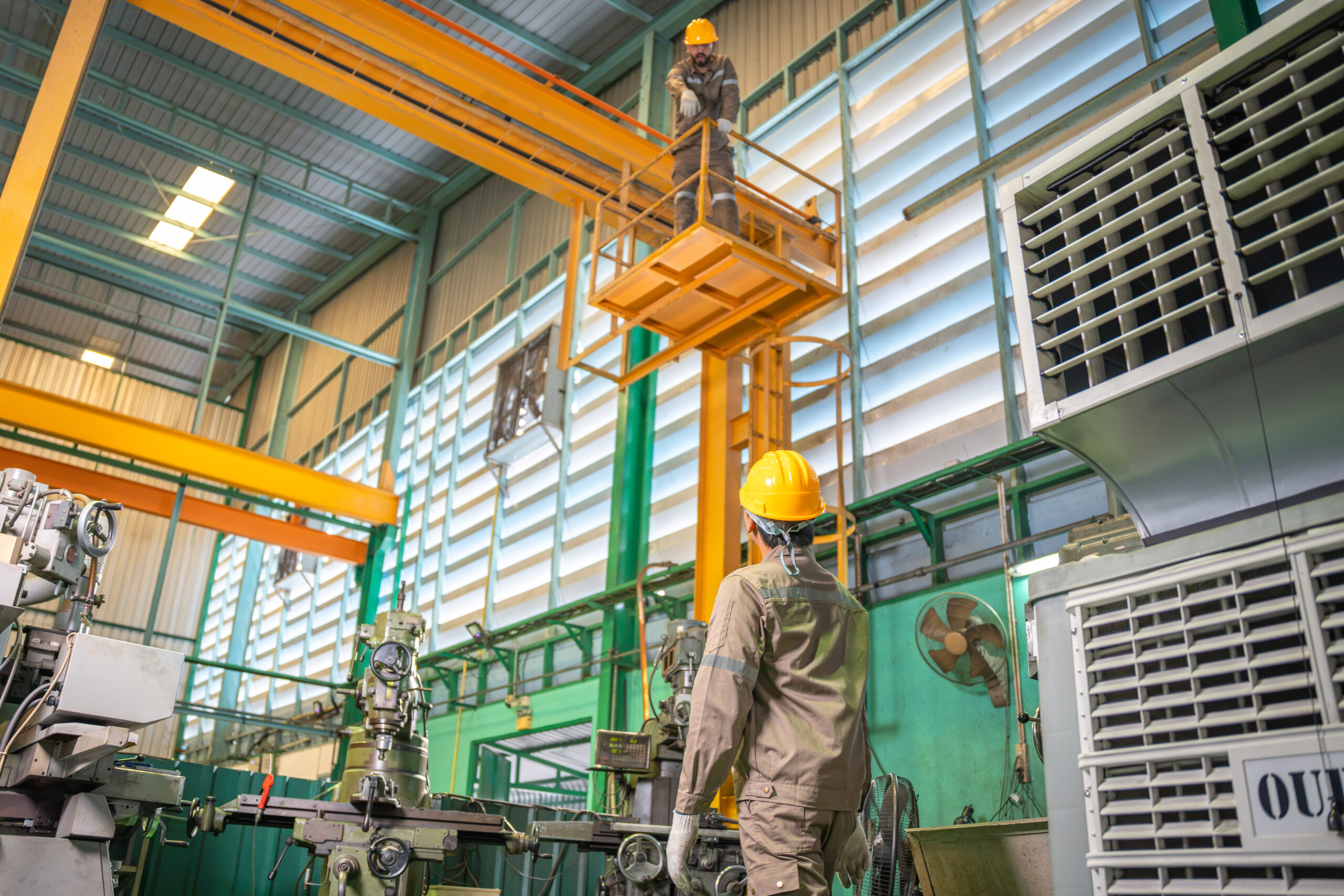
Schedule Regular Overhead Crane Inspections to Identify Issues Early
Routine overhead crane inspection is one of the most reliable ways to prevent major repairs. Small problems caught early rarely grow into costly failures. Consistent inspection schedules keep equipment predictable and safe.
What Inspections Should Cover
A thorough overhead crane inspection reviews the components most likely to wear or fail, such as:
- Hoist systems for smooth lifting and lowering
- Wire ropes for fraying, kinks, or corrosion
- Brakes for holding strength and response
- Electrical components for loose connections or heat
- Hooks for cracks, wear, or deformation
- Overhead crane runway systems for alignment and structural condition
Why Inspections Improve Reliability
Regular checks reveal patterns before they become emergencies, while ignoring them can lead to costly workplace incidents. When you follow a steady overhead crane maintenance program, you will spend less on emergency repairs and keep your equipment running longer. Consider this your golden ticket to minimize production downtime.
Keep Your Cranes Compliant and Your Crew Safe.
Develop a Overhead Crane Repair Plan Before Equipment Failure Occurs
Preparing for repairs in advance changes the entire response. A written and detailed overhead crane repair planning removes confusion when something breaks. Instead of scrambling for last-minute fixes, your team follows a clear process that saves hours.
Key Elements of an Overhead Crane Repair Plan Include:
- Identifying critical components that would stop production if they failed.
- Estimating downtime for common repair scenarios so schedules stay realistic.
- Preparing tools and replacement parts ahead of time for fast access.
- Coordinating maintenance teams and assigning responsibilities before work starts.
With a solid overhead crane maintenance strategy, you can shorten the gap between failure and fix. When your teams know exactly what to do, they can act faster and with fewer mistakes. This can go a step further if you make professional overhead crane repair services part of your plan.
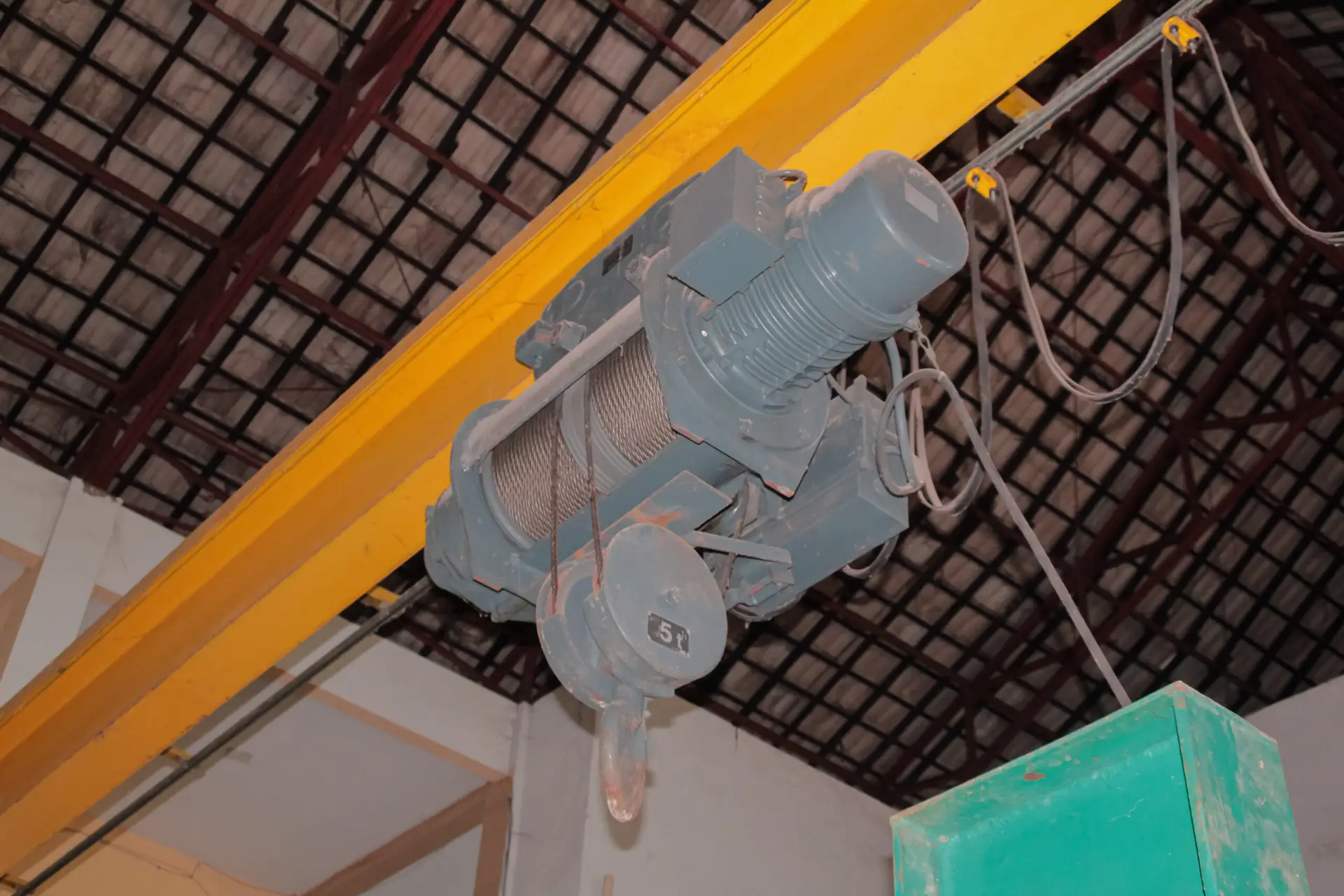
Keep Essential Overhead Crane Replacement Parts Available
Waiting for parts is one of the biggest causes of extended repairs. Even a single backordered component can keep an overhead crane offline for days. Stocking common overhead crane replacement parts removes that delay and helps you minimize overhead crane downtime.
Commonly Replaced Components Include:
- Wire ropes
- Motors
- Bearings
- Brake components
- Electrical controls
- Hoist parts
Keeping these overhead crane components on hand lets technicians move straight into the repair. There is no pause while a shipment travels across the state. For high-use overhead cranes, an on-site inventory of wear items pays for itself the first time it prevents a shutdown.
Fast, Reliable Repairs When You Need Them Most.
Partner With Experienced Overhead Crane Repair Specialists
Major overhead crane repairs require more than replacing a visibly damaged part.
An experienced technician can evaluate the complete system, identify the cause of the problem, check related components, and determine the proper repair path. This can make industrial overhead crane repair more efficient and reduce the risk of repeated failures.
Experience becomes particularly valuable when you operate older overhead cranes, heavily used equipment, or systems that have been modified over time.
Qualified overhead crane technicians also understand the inspection and maintenance requirements that apply to lifting equipment. They can document findings, identify related maintenance needs, and help your team determine whether repair, modernization, or replacement makes more sense.
Train Operators to Identify Early Warning Signs
Operators spend more time with overhead cranes than anyone else. Their observations frequently catch problems first. Training them to recognize and report early warning signs can help you avoid costly repairs and maintain overhead crane safety.
Warning Signs Your Operators Should Watch For
- Unusual noises during lifting or travel
- Slow or jerky movements
- Excessive vibration
- Visible wear, cracks, or damage
When operators report these signs right away, your maintenance teams can act before a small fault grows. That makes reporting a low-cost part of any overhead crane maintenance plan.
Document Repairs to Improve Future Maintenance
Every major repair gives your facility useful information about your overhead crane. But only good records can turn past repairs into future savings. Detailed documentation reveals patterns that help your team make smarter decisions. Without records, your crews might repeat the same mistakes and miss early warnings.
What to Document
- Repair history for each overhead crane
- Inspection reports and findings
- Replaced components and dates
- Maintenance schedules and intervals
Detailed overhead crane maintenance records help you predict when parts will wear out. Your preventive maintenance program relies on this data to plan work during slow periods and minimize your production downtime as much as possible.
Quality Crane & Hoist Parts Ready to Ship.
Keep Production Moving With a Proactive Repair Strategy
Major overhead crane repairs can interrupt production, but an unexpected failure usually gives your team fewer options than a planned one.
Professional overhead crane inspection and overhead crane maintenance, advance parts planning, operator reporting, and detailed repair records can help you identify problems earlier and schedule work at a better time for your facility.
When a major overhead crane repair becomes necessary, experienced technicians can help you identify the root cause, prepare the right repair plan, and get the equipment back into service efficiently.
Brennan Jacobs brings more than 10 years of dedicated overhead crane and hoist repair experience. We provide inspections, preventive maintenance, repairs, modernization, parts sourcing, structural and mechanical surveys, and emergency support for overhead crane and hoist systems.
If your overhead crane is showing signs of wear or recurring problems, schedule an inspection before an unexpected shutdown makes the decision for you.
Frequently Asked Questions (FAQs)
You can minimize overhead crane downtime by identifying problems early, planning repairs around your production schedules, having necessary parts available, and coordinating technicians and facility teams before work begins. A preventive maintenance program can also help you identify developing problems before they cause an unexpected shutdown.
Inspection frequency depends on usage and duty cycle. Most facilities benefit from daily visual checks by operators, along with periodic professional inspections. High-use overhead cranes need more frequent reviews to catch wear early.
Common causes may include worn wire ropes, brake failures, motor problems, electrical faults, and damaged hooks. Delayed maintenance and missing parts frequently extend the length of each of these issues.
Preventive overhead crane maintenance catches small issues before they cause major failures. It keeps your equipment reliable, improves safety, and reduces the cost and duration of unplanned repairs.
Repair makes sense when the overhead crane structure is sound, and the problem is limited to specific components. However, replacement becomes the better choice when repair costs approach the value of a new system or when the overhead crane no longer meets your production needs.
Author:
Victor Crawford is the President and CFO of Brennan Jacobs Inc., a company he founded in 2010. He has 42 years of industrial machine maintenance experience, including 30 years focused on overhead cranes and hoists. Before starting his own company, he worked at Konecranes for many years, earning the title of Master Technician and later working as a salesman and Branch Manager, opening offices in Plant City, Miami, Jacksonville, Memphis, Little Rock, and Nashville. He holds a degree in Industrial Controls Engineering from Tampa Technical Institute and is a Journeyman Millwright.